
Complete the online intake
Tell us about your symptoms, history, and goals through our secure intake form.

 Main Menu
Achieve your weight-loss goals with GLP-1 treatments like Wegovy® and Zepbound®, guided by licensed providers every step of the way.
Personalized care for women, with HRT and lifestyle support to ease menopause symptoms and restore balance.
Personalized care for men, with treatments for testosterone, sexual health, hair loss, and more.
Simple, supportive mental health care on your terms, including access to prescription medication when appropriate.
Connect with board-certified cardiologists to help manage blood pressure, cholesterol, and long-term cardiovascular risk — from the comfort of home.
Care without the wait—connect 24/7 with licensed providers for same-day prescription refills and common concerns like colds, flu, rashes, and more.

No clinic visits
Lab orders, provider consults, and treatment all in one place.

Choose the care experience that fits you — every LifeMD treatment program is personalized and led by clinicians who specialize in men's hormonal health.
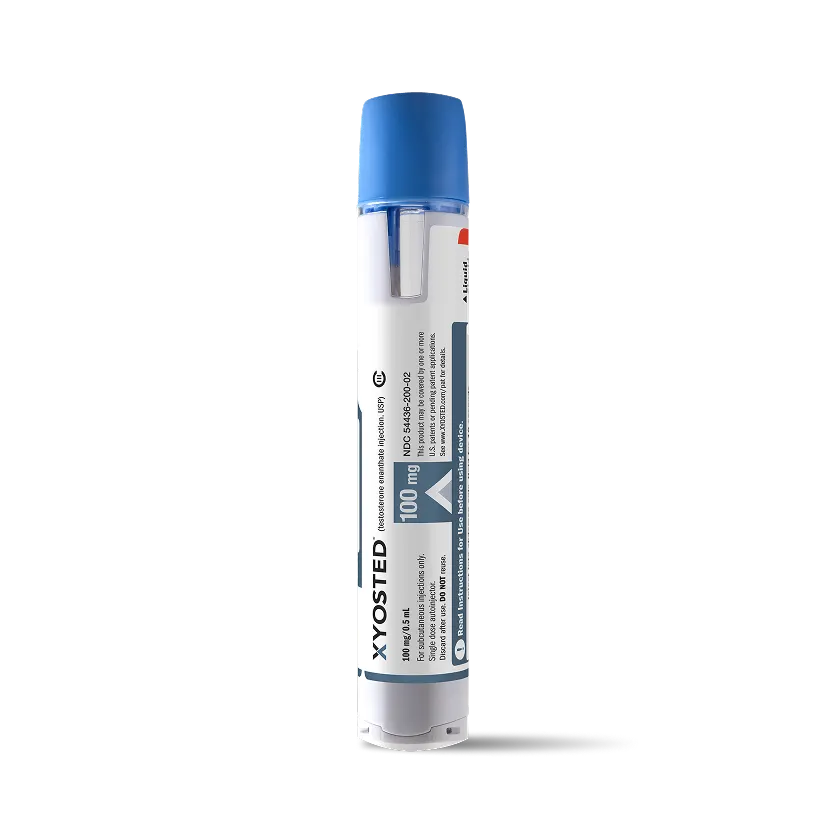
intramuscular
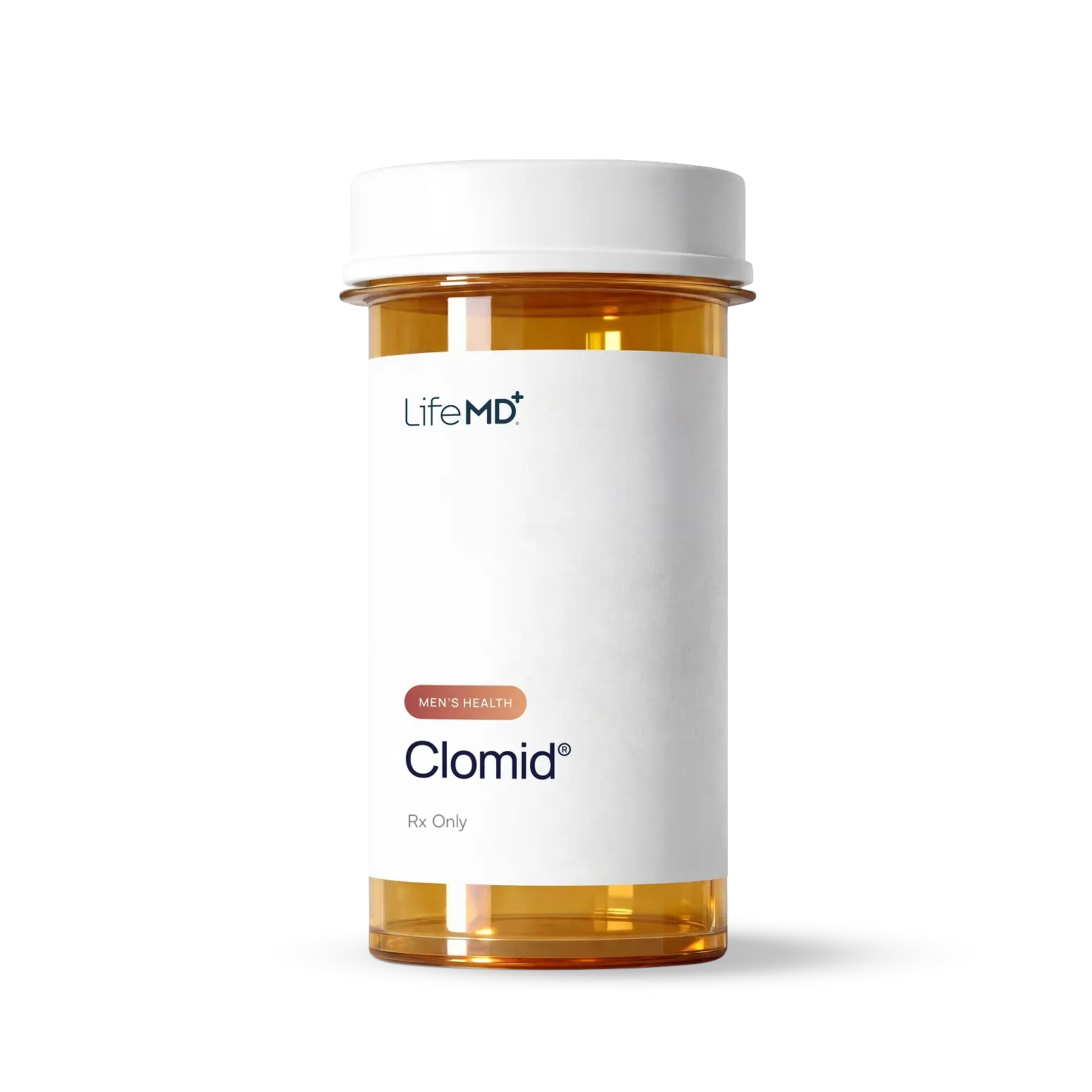
Oral Pill
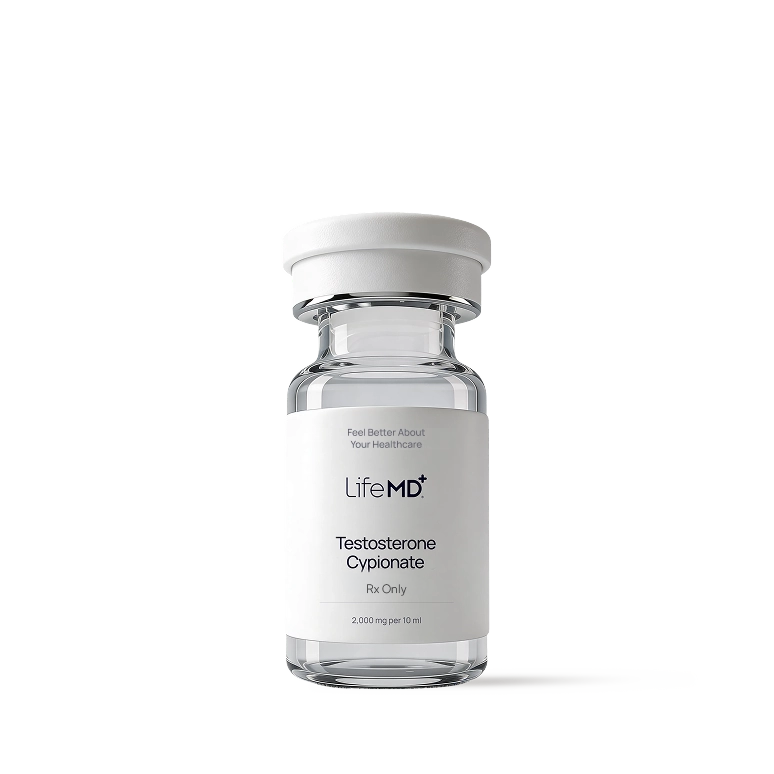
intramuscular
Oral Pill
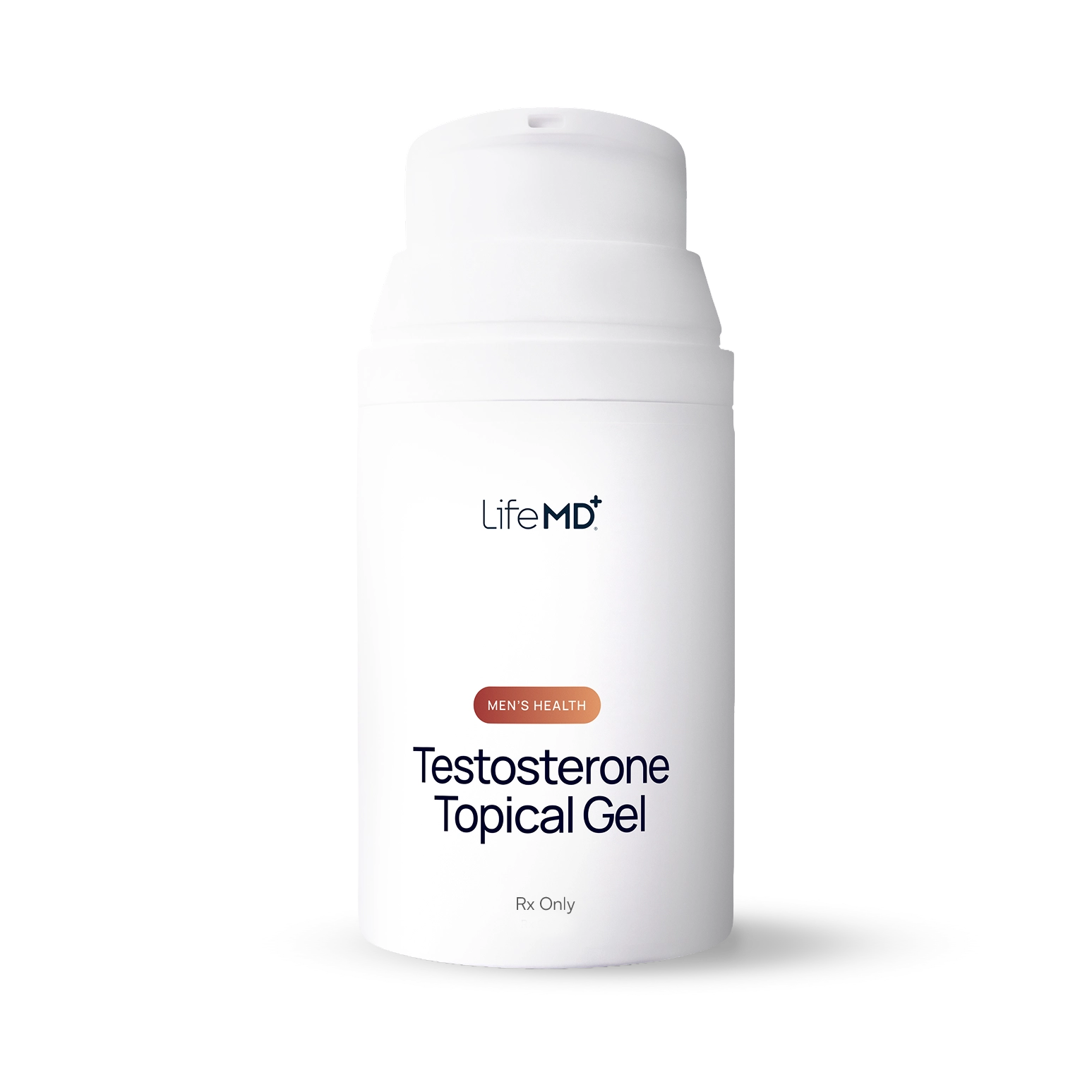
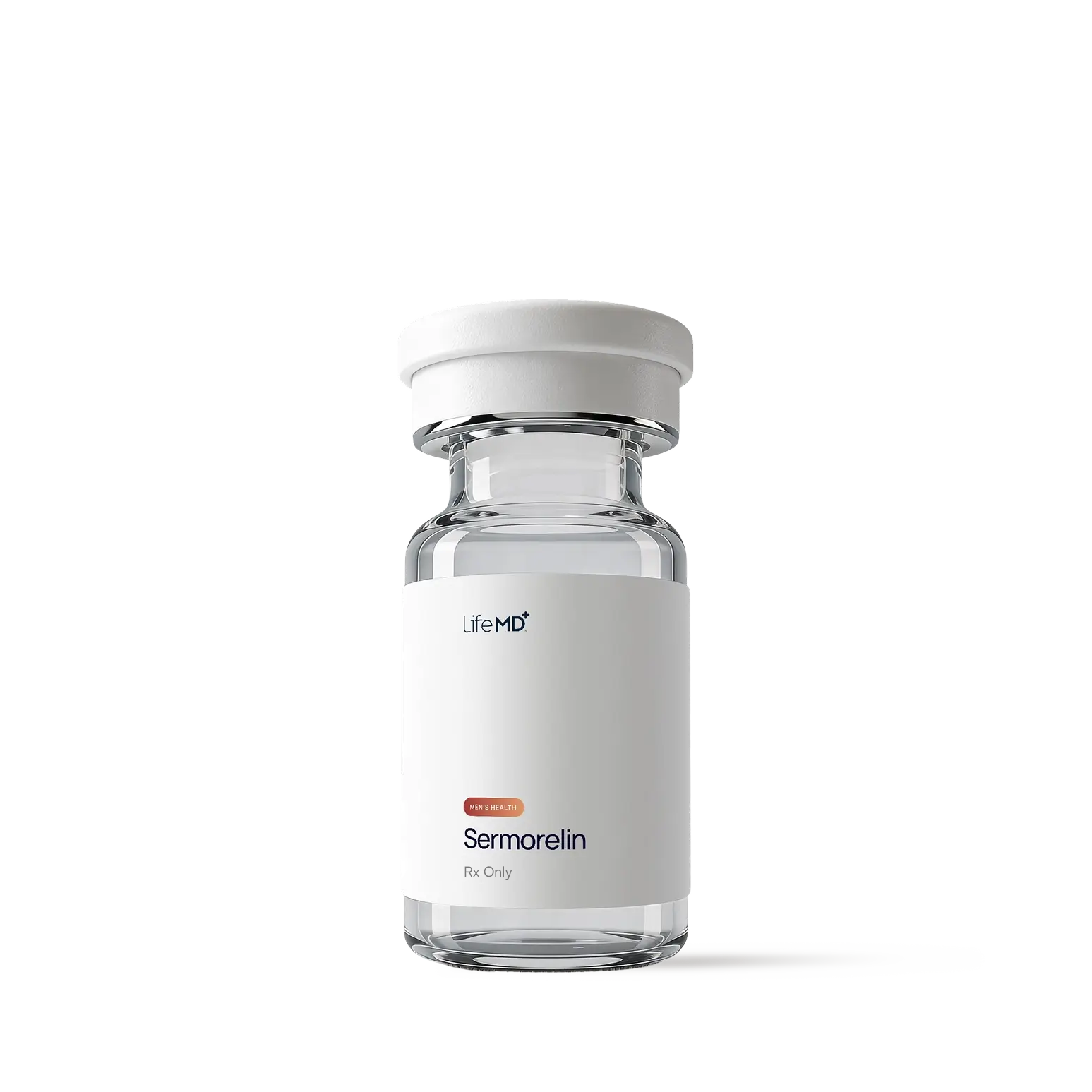
Product packaging for illustration purposes only
Clomid (clomiphene citrate), Rx only, has not been approved by the FDA as safe and effective to help increase testosterone in men. Only a licensed clinician may prescribe Clomid off-label if in their clinical judgment use of it is medically appropriate.
Sermorelin, Rx only, is a compounded product and has not been FDA-approved or evaluated for safety, efficacy, or quality.
SHBG
31 nmol/L

Testosterone
356 ng/dL

Hematocrit
44%

Comprehensive men's health care built around you — from testosterone to weight loss, sleep, and more, with FDA-approved options tailored to your goals.



Getting started is simple: complete a short intake, schedule a video visit with a licensed provider, and explore the right treatment path for you.
Our board-certified providers specialize in men's health. You'll receive evidence-based treatment tailored to your labs, your symptoms, and your goals — ongoing check-ins, treatment tracking, and personalized lifestyle guidance. Real results, from home.

Clinical Lead, Bone Health & Longevity

Family Medicine

Internal Medicine

Personalized treatment plans — including TRT when clinically appropriate — tailored to your labs, symptoms, and long-term goals.

Pay-as-you-go pricing across visits, prescriptions when clinically appropriate, refills, and ongoing lab monitoring.

In addition, LifeMD can also help address body composition, sleep, cardiovascular risk, and sexual health - all through one care team in once place.
step 1
Tell us about your symptoms, history, and goals through our secure intake form.
step 2
Your provider may order a male hormone panel to confirm your testosterone, estradiol, and related markers. Use a lab near you or, where available, in-home phlebotomy.
step 3
A video visit with a licensed provider to review your symptoms and labs and, if clinically appropriate, prescribes treatment built around you.
step 4
If prescribed, your medication ships free. Stay connected with your care team through check-ins, dose adjustments, and unlimited provider messaging.


Get evidence-based hormone care and lifestyle guidance built around your labs and how you actually feel — not a generic protocol.

Table of Contents
IMPORTANT SAFETY INFORMATION
It is not known if XYOSTED is safe and effective for use in children younger than 18 years old or for men who have low testosterone due to aging.
Do not use XYOSTED if you:
What should I tell my healthcare provider before using XYOSTED?
Before you use XYOSTED, tell your healthcare provider about all of your medical conditions, including, if you have any of the following:
High blood pressure or are being treated for high blood pressure, or have heart problems, high red blood cell count, or high hemoglobin laboratory value, urinary problems due to an enlarged prostate, kidney or liver problems, a history of mental health illness including suicidal thoughts or actions, depression, anxiety or mood disorder, or problems breathing while you sleep (sleep apnea).
Tell your healthcare provider about all the medicines you take, including prescription and nonprescription medicines, vitamins, and herbal supplements.
Using XYOSTED with other medicines can affect each other. Especially, tell your healthcare provider if you take insulin, medicines that decrease blood clotting (blood thinners), corticosteroids or medicines for pain and cold. Know the medicines you take. Ask your pharmacist for a list of all your medicines if you are not sure. Show your list to your healthcare provider and pharmacist when you get a new medicine.
How should I use XYOSTED?
What are the possible side effects of XYOSTED?
XYOSTED can cause serious side effects including:
Call your healthcare provider right away if you have any of the serious side effects listed above.
INDICATION/WHAT IS XYOSTED?
XYOSTED is a prescription medicine that contains testosterone. XYOSTED is used to treat adult men who have low or no testosterone due to certain medical conditions.
It is not known if XYOSTED is safe and effective for use in children younger than 18 years old. Improper use of XYOSTED may affect bone growth in children.
It is not known if XYOSTED is safe or effective to treat men who have low testosterone due to aging.
XYOSTED is a controlled substance (CIII) because it contains testosterone that can be a target for people who abuse prescription medicines. Keep your XYOSTED in a safe place to protect it. Never give your XYOSTED to anyone else. Selling or giving away this medicine may harm others and it is against the law.
XYOSTED is not meant for use by women.
For more information, go to www.XYOSTED.com or call 1-844-XYOSTED (1-844-996-7833).
To report side effects to the FDA, visit www.fda.gov/medwatch, or call 1-800-FDA-1088.
Please see the full Prescribing Information and Medication Guide.
August 2025 Update.
INDICATIONS AND USAGE
Testosterone Cypionate Injection is indicated for replacement therapy in the male in conditions associated with symptoms of deficiency or absence of endogenous testosterone.
1. Primary hypogonadism (congenital or acquired)-testicular failure due to cryptorchidism, bilateral torsion, orchitis, vanishing testis syndrome; or orchidectomy.
2. Hypogonadotropic hypogonadism (congenital or acquired) - gonadotropin or LHRH deficiency, or pituitary-hypothalamic injury from tumors, trauma, or radiation.
Safety and efficacy of Testosterone Cypionate Injection in men with "age-related hypogonadism" (also referred to as "late-onset hypogonadism") have not been established.
CONTRAINDICATIONS
1. Known hypersensitivity to the drug
2. Males with carcinoma of the breast
3. Males with known or suspected carcinoma of the prostate gland
4. Women who are pregnant.
5. Patients with serious cardiac, hepatic or renal disease.
WARNINGS
Hypercalcemia may occur in immobilized patients. If this occurs, the drug should be discontinued.
Prolonged use of high doses of androgens (principally the 17-α alkyl-androgens) has been associated with development of hepatic adenomas, hepatocellular carcinoma, and peliosis hepatis —all potentially life-threatening complications.
Geriatric patients treated with androgens may be at an increased risk of developing prostatic hypertrophy and prostatic carcinoma although conclusive evidence to support this concept is lacking.
There have been postmarketing reports of venous thromboembolic events, including deep vein thrombosis (DVT) and pulmonary embolism (PE), in patients using testosterone products, such as testosterone cypionate. Evaluate patients who report symptoms of pain, edema, warmth and erythema in the lower extremity for DVT and those who present with acute shortness of breath for PE. If a venous thromboembolic event is suspected, discontinue treatment with testosterone cypionate and initiate appropriate workup and management.
Testosterone products can increase blood pressure. Blood pressure increases can increase cardiovascular risk over time. There have been reports of venous thromboembolic events, including deep vein thrombosis and pulmonary embolism, in patients using testosterone.
Testosterone has been subject to abuse, typically at doses higher than recommended for the approved indication and in combination with other anabolic androgenic steroids. Anabolic androgenic steroid abuse can lead to serious cardiovascular and psychiatric adverse reactions.
If testosterone abuse is suspected, check serum testosterone concentrations to ensure they are within therapeutic range. However, testosterone levels may be in the normal or subnormal range in men abusing synthetic testosterone derivatives. Counsel patients concerning the serious adverse reactions associated with abuse of testosterone and anabolic androgenic steroids. Conversely, consider the possibility of testosterone and anabolic androgenic steroid abuse in suspected patients who present with serious cardiovascular or psychiatric adverse events.
Edema, with or without congestive heart failure, may be a serious complication in patients with pre-existing cardiac, renal or hepatic disease.
Gynecomastia may develop and occasionally persists in patients being treated for hypogonadism.
The preservative benzyl alcohol has been associated with serious adverse events, including the "gasping syndrome", and death in pediatric patients. Although normal therapeutic doses of this product ordinarily deliver amounts of benzyl alcohol that are substantially lower than those reported in association with the "gasping syndrome", the minimum amount of benzyl alcohol at which toxicity may occur is not known. The risk of benzyl alcohol toxicity depends on the quantity administered and the liver and kidneys' capacity to detoxify the chemical. Premature and low-birth weight infants may be more likely to develop toxicity.
Androgen therapy should be used cautiously in healthy males with delayed puberty. The effect on bone maturation should be monitored by assessing bone age of the wrist and hand every 6 months. In children, androgen treatment may accelerate bone maturation without producing compensatory gain in linear growth. This adverse effect may result in compromised adult stature. The younger the child the greater the risk of compromising final mature height.
This drug has not been shown to be safe and effective for the enhancement of athletic performance. Because of the potential risk of serious adverse health effects, this drug should not be used for such purpose.
PRECAUTIONS
General
Patients with benign prostatic hypertrophy may develop acute urethral obstruction. Priapism or excessive sexual stimulation may develop. Oligospermia may occur after prolonged administration or excessive dosage. If any of these effects appear, the androgen should be stopped and if restarted, a lower dosage should be utilized.
Testosterone cypionate should not be used interchangeably with testosterone propionate because of differences in duration of action.
Testosterone cypionate is not for intravenous use.
Information for patients
Patients should be instructed to report any of the following: nausea, vomiting, changes in skin color, ankle swelling, too frequent or persistent erections of the penis.
Laboratory tests
Hemoglobin and hematocrit levels (to detect polycythemia) should be checked periodically in patients receiving long-term androgen administration.
Serum cholesterol may increase during androgen therapy.
Drug interactions
Androgens may increase sensitivity to oral anticoagulants. Dosage of the anticoagulant may require reduction in order to maintain satisfactory therapeutic hypoprothrombinemia.
Concurrent administration of oxyphenbutazone and androgens may result in elevated serum levels of oxyphenbutazone.
In diabetic patients, the metabolic effects of androgens may decrease blood glucose and, therefore, insulin requirements.
Drug/Laboratory test Interferences
Androgens may decrease levels of thyroxine-binding globulin, resulting in decreased total T4 serum levels and increased resin uptake of T3 and T4. Free thyroid hormone levels remain unchanged, however, and there is no clinical evidence of thyroid dysfunction.
Carcinogenesis
Animal data
Testosterone has been tested by subcutaneous injection and implantation in mice and rats. The implant induced cervical-uterine tumors in mice, which metastasized in some cases. There is suggestive evidence that injection of testosterone into some strains of female mice increases their susceptibility to hepatoma. Testosterone is also known to increase the number of tumors and decrease the degree of differentiation of chemically induced carcinomas of the liver in rats.
Human data
There are rare reports of hepatocellular carcinoma in patients receiving long-term therapy with androgens in high doses. Withdrawal of the drugs did not lead to regression of the tumors in all cases.
Geriatric patients treated with androgens may be at an increased risk of developing prostatic hypertrophy and prostatic carcinoma although conclusive evidence to support this concept is lacking.
ADVERSE REACTIONS
The following adverse reactions in the male have occurred with some androgens:
Endocrine and urogenital: Gynecomastia and excessive frequency and duration of penile erections. Oligospermia may occur at high dosages.
Skin and appendages: Hirsutism, male pattern of baldness, seborrhea, and acne.
Cardiovascular Disorders: myocardial infarction, stroke.
Fluid and electrolyte disturbances: Retention of sodium, chloride, water, potassium, calcium, and inorganic phosphates.
Gastrointestinal: Nausea, cholestatic jaundice, alterations in liver function tests, rarely hepatocellular neoplasms and peliosis hepatis.
Hematologic: Suppression of clotting factors II, V, VII, and X, bleeding in patients on concomitant anticoagulant therapy, and polycythemia.
Nervous system: Increased or decreased libido, headache, anxiety, depression, and generalized paresthesia.
Allergic: Hypersensitivity, including skin manifestations and anaphylactoid reactions.
Vascular disorders: Venous thromboembolism.
Special senses: Rare cases of central serous chorioretinopathy (CSCR).
Miscellaneous: Inflammation and pain at the site of intramuscular injection.
DRUG ABUSE AND DEPENDENCE
Controlled Substance
Testosterone Cypionate Injection contains testosterone, a Schedule III controlled substance in the Controlled Substances Act.
Abuse
Drug abuse is intentional non-therapeutic use of a drug, even once, for its rewarding psychological and physiological effects. Abuse and misuse of testosterone are seen in male and female adults and adolescents. Testosterone, often in combination with other anabolic androgenic steroids (AAS), and not obtained by prescription through a pharmacy, may be abused by athletes and bodybuilders. There have been reports of misuse by men taking higher doses of legally obtained testosterone than prescribed and continuing testosterone despite adverse events or against medical advice.
Abuse-Related Adverse Reactions
Serious adverse reactions have been reported in individuals who abuse anabolic androgenic steroids and include cardiac arrest, myocardial infarction, hypertrophic cardiomyopathy, congestive heart failure, cerebrovascular accident, hepatotoxicity, and serious psychiatric manifestations, including major depression, mania, paranoia, psychosis, delusions, hallucinations, hostility and aggression.
The following adverse reactions have also been reported in men: transient ischemic attacks, convulsions, hypomania, irritability, dyslipidemias, testicular atrophy, subfertility, and infertility.
The following additional adverse reactions have been reported in women: hirsutism, virilization, deepening of voice, clitoral enlargement, breast atrophy, male-pattern baldness, and menstrual irregularities.
The following adverse reactions have been reported in male and female adolescents: premature closure of bony epiphyses with termination of growth, and precocious puberty.
Because these reactions are reported voluntarily from a population of uncertain size and may include abuse of other agents, it is not always possible to reliably estimate their frequency or establish a causal relationship to drug exposure.
Dependence
Behaviors Associated with Addiction
Continued abuse of testosterone and other anabolic steroids, leading to addiction is characterized by the following behaviors:
Taking greater dosages than prescribed
Continued drug use despite medical and social problems due to drug use
Physical dependence is characterized by withdrawal symptoms after abrupt drug discontinuation or a significant dose reduction of a drug. Individuals taking supratherapeutic doses of testosterone may experience withdrawal symptoms lasting for weeks or months which include depressed mood, major depression, fatigue, craving, restlessness, irritability, anorexia, insomnia, decreased libido and hypogonadotropic hypogonadism.
Drug dependence in individuals using approved doses of testosterone for approved indications has not been documented.
You are encouraged to report negative side effects of prescription drugs to the FDA. Visit www.fda.gov/medwatch or call 1-800-FDA-1088
Testosterone Gel 1.62% is a controlled substance, available by prescription, used to treat adult males who have low or no testosterone due to certain medical conditions.
It is not known if Testosterone Gel 1.62% is safe or effective to treat men who have low testosterone due to aging.
It is not known if Testosterone Gel 1.62% is safe or effective in children younger than 18 years old.
Testosterone Gel 1.62% is a controlled substance (CIII) because it contains testosterone that can be a target for people who abuse prescription medicines. Keep it in a safe place to protect it and never give it to anyone else. Selling or giving away this medicine may harm others and is against the law.
Testosterone Gel 1.62% is not meant for use in women.
IMPORTANT SAFETY INFORMATION
You are encouraged to report negative side effects of prescription drugs to the FDA. Visit www.fda.gov/medwatch or call 1-800-FDA-1088
For more information about Testosterone Gel 1.62% call 1-844-XIROMED (844-947-6633) or go to www.xiromed.com.
Before starting CLOMID®, tell your doctor about all of your medical conditions, including if you:
- have a known hypersensitivity or allergy to clomiphene citrate or any of its ingredients
- have a history of liver problems
- have preexisting or family history of high cholesterol - have any organic intracranial lesion such as pituitary tumor.
Tell your doctor about all of the medicines you take, including prescription and over-the-counter medicines, vitamins, and herbal supplements. Tell your doctor if you start a new medicine. CLOMID® may affect the way other medicines work, and other medicines may affect how CLOMID® works.
Common side effects of CLOMID® are abdominal or pelvic pain/distension, discomfort and bloating, headache, nausea, and vomiting. Blurred vision and other visual symptoms may also occur during or after taking CLOMID®, which may be prolonged or potentially irreversible. These are not all of the possible side effects of CLOMID®
You are encouraged to report negative side effects of prescription drugs to the FDA. Visit www.fda.gov/medwatch or call 1-800-FDA-1088
Please see Full Prescribing Information.
Sermorelin is used as a growth hormone releasing hormone (GHRH). Sermorelin appears to be equivalent to endogenous GHRH in its ability to stimulate growth hormone secretion in humans.
Sermorelin is used to treat growth hormone deficiency.
What should I tell my healthcare provider before I take this medicine?
They need to know if you have any of the following conditions:
-Hypersensitivity to Sermorelin or any of the components of the injection
-Hypothyroidism
-Intracranial lesions
-Obesity
-Hyperglycemia
-Hyperlipidemia
How should I use this medicine?
This medicine may be given either orally or by subcutaneous (SC) injection, usually at bedtime.
Ask your doctor or health care professional which way is right for you. You will be taught how to prepare and give this medicine. Use exactly as directed. Take your medicine at regular intervals. Do not take your medicine more often than directed.
Overdosage: If you think you have taken too much of this medicine contact a poison control center or emergency room at once.
What if I miss a dose?
It is important not to miss your dose. Call your doctor or health care professional if you are unable to keep an appointment.
What may interact with this medicine?
-Glucocorticoids
This list may not describe all possible interactions. Give your health care provider a list of all the medicines, herbs, non-prescription drugs, or dietary supplements you use. Also tell them if you smoke, drink alcohol, or use illegal drugs. Some items may interact with your medicine.
What side effects may I notice from receiving this medicine?
The most common side effects with Sermorelin (SC) injection include local injection reactions (pain, swelling or redness), but discontinuation of therapy is rare. Other treatment-related adverse reactions include headache, flushing, dysphagia, dizziness, hyperactivity, somnolence and urticaria. Heart rate/blood pressure changes may occur with inadvertent overdosage.
Antibody formation to Sermorelin has been reported frequently after chronic Sermorelin (SC) administration of large doses. The clinical significance is unknown, but antibodies do not appear to affect growth or appear to be related to a specific ADR profile. No generalized allergic reactions have been reported. A temporary allergic reaction described as severe redness, swelling and urticaria at the injection sites has been reported in one patient who developed antibodies. Patients should seek medical attention for suspected allergic reactions.
This list may not describe all possible side effects.
Call your doctor for medical advice about side effects. You may report side effects to FDA at 1-800-FDA-1088.
Where should I keep this medicine?
Store unopened lyophilized product in the refrigerator 36- 46°F (2 - 8°C). Do not freeze. Store away from heat, moisture, and light. Do not store in the bathroom.