Manage depression and mental health with personalized
treatments and doctor-trusted medications prescribed
100% online.
No office visits or waiting rooms
Includes medication & delivery
THE FUTURE OF VIRTUAL MENTAL HEALTH SUPPORT
On Apple App Store and Google Play


4:30pm
Your prescription is filled at the LifeMD
pharmacy and will be shipped today.
9:45pm
Hi. Just checking in to see how
you’re feeling. We’re here for you!
Lexapro®

Board-Certified Providers

50 States Served

745,000 Patients

100% Online Virtual Care

4.9 Star App Rating

4.9 Star Google Play
No office visits or waiting rooms

Answer a few questions about your
health
history and current mental
health symptoms—it
only takes a
few minutes.

A licensed provider, will carefully
review your
responses and, if
appropriate, prescribe a
personalized treatment plan.
If prescribed, your medication will
be
delivered to your door. We’ll also
check in to
ensure your treatment is
working for you.

Unlimited follow-ups, treatment
adjustments,
refills, and answers to
your questions—so
you’re never on
your own during care.
Providers online & available
Start a free mental health assessment to see if provider-recommended
treatments are right for you.
Start a free mental health assessment to see if
provider-recommended treatments are right for you.
We’re here for your well-being.

Depression is a lasting mood disorder that can cause sadness,
low energy, and loss of interest. It typically lasts at least two
weeks and can interfere with daily life. If untreated, it can
impact your daily life, relationships, and overall well-being.

Insomnia involves difficulty falling asleep, staying asleep, or
waking too early. LifeMD providers treat both short-term
insomnia—lasting days or weeks—and chronic insomnia that
persists for three months or longer.

Following a traumatic event, it’s common to experience mood
changes, trouble concentrating, or disturbing flashbacks.
These symptoms can begin to disrupt your daily life. The good
news: treatment is available and can make a real difference.

Anxiety can show up as constant worry, fear, or even panic. It’s
common for these feelings to be paired with symptoms like
muscle tension or shortness of breath. These symptoms can
make it hard to focus, stay social, or manage everyday tasks.
We’re here for your well-being.
Mental health medication can help balance brain chemistry,
manage symptoms, and support your overall well-being, making
it easier to navigate daily life and emotional challenges.
Mental health medication can help balance brain chemistry, manage symptoms, and support your overall well-being, making it easier to navigate daily life and emotional challenges.
What to expect
Start by answering some simple questions about how you are feeling.
This will help your provider determine the best path forward.

Answer a few questions about what you’re
experiencing and connect with a
licensed
provider to discuss treatment options.

Your provider will evaluate symptoms
and if appropriate, provide personalized
treatment options.
Your provider will create a personalized
plan which may include prescription
medication and ongoing support.
Starting treatment is “no big deal” through LifeMD.
Providers online & available
You're one step closer to understanding how
you're feeling—and we're here to guide you
toward the care you deserve.
Based on your responses, we recommend starting with Escitalopram, a well-tolerated, daily treatment for mood and anxiety relief.
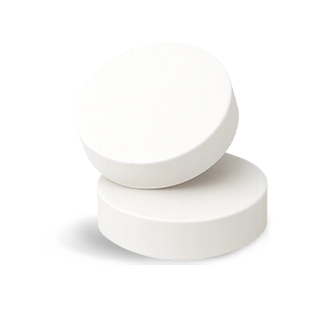
Escitalopram is typically taken once a day and is known to provide steady support for anxiety and depression over time.

Single-dose pills, renews every month

$99 (includes medication and delivery)
Treating anxiety is no big deal through LifeMD.
Providers online & available


Depression medications can play a key role in reducing
symptoms, improving emotional balance, and helping
you feel more like yourself
Accessible and affordable
Affordable mental health care is within reach. The LifeMD Mental Health
Program offers options to help get you treatment that’s right for you.
Social & Performance Anxiety:
Designed for as-needed treatment. The plan includes an initial review of your health information
and secure messaging with your provider, ongoing message-based support, and a set amount of
medication each month if prescribed.
Anxiety & Depression:
Ideal for managing ongoing anxiety or depression. This Daily Treatment Plan includes an initial
video visit with a provider, the option for ongoing support through secure messaging, and
includes a 30-day supply of medication if prescribed.
Providers online & available

“If you’re feeling anxious or depressed,
getting prescription medication isn’t as
difficult as you might think.”
Designed for as-needed treatment. The plan includes
an initial review of your health information and secure
messaging with your provider, ongoing message-
based support, and a set amount of medication each
month if prescribed.
Ideal for managing ongoing anxiety or depression. This
plan includes an initial video visit with a provider, the
option for ongoing support through secure messaging,
and includes a 30-day supply of medication if
prescribed.
We’re here to provide the care and support
that are
right for your individual needs.
Providers online & available
Get started with effective, affordable online treatment for
depression and feel more like yourself again. Take the first step
and connect to a licensed prescriber.

4:30pm
Please feel free to reach out anytime if
you have questions.
Get trust-worthy answers through LifeMD
9:45pm
Please feel free to reach out anytime if
you have questions.
Depression is a mood disorder that can cause persistent sadness, low energy, and difficulty enjoying daily life.
You may have depression if you feel down most of the day, lose interest in things you used to enjoy, or struggle with focus or sleep.
Yes. Some people feel persistently low, while others notice changes in sleep, focus, or energy levels.
Treatment options typically include medication management and provider support, depending on your condition and care plan.
LifeMD treats depression through personalized medication plans and ongoing virtual consultations with licensed providers.
Medications like SSRIs, SNRIs, or other antidepressants may be prescribed depending on your symptoms and history.
For most patients being treated for depression, daily medication is recommended to maintain steady symptom relief and long-term support.
Results will always vary. Most people starting medication notice early improvements within 1–2 weeks, with maximum benefit around 4-6 weeks into treatment.
Many patients report feeling more emotionally balanced, motivated, and better able to manage daily challenges after starting care.
You'll check in monthly, and you can message your provider anytime through the patient portal. Depending on your situation, you or your provider may request an additional video visit.
You can securely message your provider anytime through the patient portal with questions or concerns.
You’ll complete a short set of renewal questions to help your provider assess whether your medication is working effectively, monitor for side effects, and make any needed adjustments.
It depends. Your provider may adjust your dosage based on monthly check-ins and symptom tracking.
Yes. All care, from consultations to prescription delivery, is handled online for convenience, privacy, and flexibility.
Connect with licensed experts - anytime, anywhere
LifeMD offers comprehensive, personalized care through licensed
professionals and medication. Our secure virtual platform
makes accessing quality mental health care “no big deal”.
Important Notice: Talk to your psychiatrist or healthcare professional about the possible risks and benefits associated with the above medications
before starting treatment. LifeMD does not offer therapy or counseling services and is not equipped to respond to mental health emergencies. If you’re
experiencing a crisis, please call 911 or visit the nearest emergency room. IF YOU ARE CONTEMPLATING SUICIDE, CONTACT 911 OR CALL/TEXT THE
NATIONAL SUICIDE PREVENTION LINE AT 988. These services are available 24/7.
When you need medication for your
mental health, there’s no time to wait!
Table of Contents
Warning
○ Drugs like this one have raised the chance of suicidal thoughts or actions in children and young adults. The risk may be greater in people who have had these thoughts or actions in the past. All people who take this drug need to be watched closely. Call the doctor right away if signs like depression, nervousness, restlessness, grouchiness, panic attacks, or changes in mood or actions are new or worse. Call the doctor right away if any thoughts or actions of suicide occur.
What is this drug used for?
What do I need to tell my doctor BEFORE I take this drug?
This is not a list of all drugs or health problems that interact with this drug.
Tell your doctor and pharmacist about all of your drugs (prescription or OTC, natural products, vitamins) and health problems. You must check to make sure that it is safe for you to take this drug with all of your drugs and health problems. Do not start, stop, or change the dose of any drug without checking with your doctor.
What are some things I need to know or do while I take this drug?
For all patients taking this drug:
You will need to talk about the benefits and risks to you and the baby.
If you smoke:
What are some side effects that I need to call my doctor about right away? WARNING/CAUTION: Even though it may be rare, some people may have very bad and sometimes deadly side effects when taking a drug. Tell your doctor or get medical help right away if you have any of the following signs or symptoms that may be related to a very bad side effect:
What are some other side effects of this drug?
All drugs may cause side effects. However , many people have no side effects or only have minor side effects. Call your doctor or get medical help if any of these side effects or any other side effects bother you or do not go away:
All products:
Extended-release tablets:
How is this drug best taken?
Use this drug as ordered by your doctor. Read all information given to you. Follow all instructions closely.
For all uses of this drug:
What do I do if I miss a dose?
How do I store and/or throw out this drug?
General drug facts
What is this drug used for?
What do I need to tell my doctor BEFORE I take this drug?
This is not a list of all drugs or health problems that interact with this drug. Tell your doctor and pharmacist about all of your drugs (prescription or OTC, natural products, vitamins) and health problems. You must check to make sure that it is safe for you to take this drug with all of your drugs and health problems. Do not start, stop, or change the dose of any drug without checking with your doctor.
What are some things I need to know or do while I take this drug?
What are some side effects that I need to call my doctor about right away?
WARNING/CAUTION: Even though it may be rare, some people may have very bad and sometimes deadly side effects when taking a drug. Tell your doctor or get medical help right away if you have any of the following signs or symptoms that may be related to a very bad side effect:
What are some other side effects of this drug?
These are not all of the side effects that may occur. If you have questions about side effects, call your doctor. Call your doctor for medical advice about side effects. You may report side effects to your national health agency.
How is this drug best taken?
What do I do if I miss a dose?
How do I store and/or throw out this drug?
General drug facts
Children:
What is this drug used for?
What do I need to tell my doctor BEFORE I take this drug?
This is not a list of all drugs or health problems that interact with this drug. Tell your doctor and pharmacist about all of your drugs (prescription or OTC, natural products, vitamins) and health problems. You must check to make sure that it is safe for you to take this drug with all of your drugs and health problems. Do not start, stop, or change the dose of any drug without checking with your doctor.
What are some things I need to know or do while I take this drug?
For all patients taking this drug:
Children:
What are some side effects that I need to call my doctor about right away?
WARNING/CAUTION: Even though it may be rare, some people may have very bad and sometimes deadly side effects when taking a drug. Tell your doctor or get medical help right away if you have any of the following signs or symptoms that may be related to a very bad side effect:
What are some other side effects of this drug?
How is this drug best taken?
Use this drug as ordered by your doctor. Read all information given to you. Follow all instructions closely.
All products:
Oral solution:
What do I do if I miss a dose?
How do I store and/or throw out this drug?
General drug facts
Warning
What is this drug used for?
What do I need to tell my doctor BEFORE I take this drug?
What are some things I need to know or do while I take this drug?
What are some side effects that I need to call my doctor about right away?
WARNING/CAUTION: Even though it may be rare, some people may have very bad and sometimes deadly side effects when taking a drug. Tell your doctor or get medical help right away if you have any of the following signs or symptoms that may be related to a very bad side effect:
What are some other side effects of this drug?
These are not all of the side effects that may occur. If you have questions about side effects, call your doctor. Call your doctor for medical advice about side effects. You may report side effects to your national health agency.
How is this drug best taken?
Use this drug as ordered by your doctor. Read all information given to you. Follow all instructions closely.All products:
Capsules:
Sprinkle capsules:
What do I do if I miss a dose?
How do I store and/or throw out this drug?
General drug facts
Warning
For all patients taking this drug:
Children:
What is this drug used for?
What do I need to tell my doctor BEFORE I take this drug?
What are some things I need to know or do while I take this drug?
What are some side effects that I need to call my doctor about right away?
WARNING/CAUTION: Even though it may be rare, some people may have very bad and sometimes deadly side effects when taking a drug. Tell your doctor or get medical help right away if you have any of the following signs or symptoms that may be related to a very bad side effect:
What are some other side effects of this drug?
These are not all of the side effects that may occur. If you have questions about side effects, call your doctor. Call your doctor for medical advice about side effects. You may report side effects to your national health agency.
How is this drug best taken?
Use this drug as ordered by your doctor. Read all information given to you. Follow all instructions closely.All products:
Oral solution:
What do I do if I miss a dose?
How do I store and/or throw out this drug?
General drug facts
Warning
What is this drug used for?
What do I need to tell my doctor BEFORE I take this drug?
Tell your doctor and pharmacist about all of your drugs (prescription or OTC, natural products, vitamins) and health problems. You must check to make sure that it is safe for you to take this drug with all of your drugs and health problems. Do not start, stop, or change the dose of any drug without checking with your doctor.
What are some things I need to know or do while I take this drug?
What are some side effects that I need to call my doctor about right away?
WARNING/CAUTION: Even though it may be rare, some people may have very bad and sometimes deadly side effects when taking a drug. Tell your doctor or get medical help right away if you have any of the following signs or symptoms that may be related to a very bad side effect:
What are some other side effects of this drug?
These are not all of the side effects that may occur. If you have questions about side effects, call your doctor. Call your doctor for medical advice about side effects. You may report side effects to your national health agency.
How is this drug best taken?
Use this drug as ordered by your doctor. Read all information given to you. Follow all instructions closely.All products:
Long-acting products:
Liquid (solution):
What do I do if I miss a dose?
General drug facts
Warning
What is this drug used for?
What do I need to tell my doctor BEFORE I take this drug?
For all uses of this drug:
For treating hot flashes caused by menopause:
Tell your doctor and pharmacist about all of your drugs (prescription or OTC, natural products, vitamins) and health problems. You must check to make sure that it is safe for you to take this drug with all of your drugs and health problems. Do not start, stop, or change the dose of any drug without checking with your doctor.
What are some things I need to know or do while I take this drug?
What are some side effects that I need to call my doctor about right away?
WARNING/CAUTION: Even though it may be rare, some people may have very bad and sometimes deadly side effects when taking a drug. Tell your doctor or get medical help right away if you have any of the following signs or symptoms that may be related to a very bad side effect:
What are some other side effects of this drug?
These are not all of the side effects that may occur. If you have questions about side effects, call your doctor. Call your doctor for medical advice about side effects. You may report side effects to your national health agency.
How is this drug best taken?
Use this drug as ordered by your doctor. Read all information given to you. Follow all instructions closely.All products:
Liquid (suspension):
Tablets:
Capsules:
What do I do if I miss a dose?
How do I store and/or throw out this drug?
All products:
Capsules:
General drug facts
What is this drug used for?
What do I need to tell my doctor BEFORE I take this drug?
This is not a list of all drugs or health problems that interact with this drug.
Tell your doctor and pharmacist about all of your drugs (prescription or OTC, natural products, vitamins) and health problems. You must check to make sure that it is safe for you to take this drug with all of your drugs and health problems. Do not start, stop, or change the dose of any drug without checking with your doctor.
What are some things I need to know or do while I take this drug?
All products:
Oral solution:
What are some side effects that I need to call my doctor about right away?
WARNING/CAUTION: Even though it may be rare, some people may have very bad and sometimes deadly side effects when taking a drug. Tell your doctor or get medical help right away if you have any of the following signs or symptoms that may be related to a very bad side effect:
What are some other side effects of this drug?
These are not all of the side effects that may occur. If you have questions about side effects, call your doctor. Call your doctor for medical advice about side effects. You may report side effects to your national health agency.
How is this drug best taken?
Use this drug as ordered by your doctor. Read all information given to you. Follow all instructions closely.Inderal XL and InnoPran XL:
All other oral products:
Oral solution:
All long-acting products:
What do I do if I miss a dose?
All oral products:
Injection:
How do I store and/or throw out this drug?
All oral products:
Injection:
All products:
General drug facts
Warning
What is this drug used for?
What do I need to tell my doctor BEFORE I take this drug?
All products:
Oral solution:
What are some things I need to know or do while I take this drug?
What are some side effects that I need to call my doctor about right away?
WARNING/CAUTION: Even though it may be rare, some people may have very bad and sometimes deadly side effects when taking a drug. Tell your doctor or get medical help right away if you have any of the following signs or symptoms that may be related to a very bad side effect:
What are some other side effects of this drug?
These are not all of the side effects that may occur. If you have questions about side effects, call your doctor. Call your doctor for medical advice about side effects. You may report side effects to your national health agency.
How is this drug best taken?
Use this drug as ordered by your doctor. Read all information given to you. Follow all instructions closely.Tablets:
Capsules:
Oral solution:
What do I do if I miss a dose?
How do I store and/or throw out this drug?
General drug facts
Warning
What is this drug used for?
What do I need to tell my doctor BEFORE I take this drug?
This is not a list of all drugs or health problems that interact with this drug.
Tell your doctor and pharmacist about all of your drugs (prescription or OTC, natural products, vitamins) and health problems. You must check to make sure that it is safe for you to take this drug with all of your drugs and health problems. Do not start, stop, or change the dose of any drug without checking with your doctor.
What are some things I need to know or do while I take this drug?
All products:
Extended-release capsules:
Extended-release tablets:
What are some side effects that I need to call my doctor about right away?
WARNING/CAUTION: Even though it may be rare, some people may have very bad and sometimes deadly side effects when taking a drug. Tell your doctor or get medical help right away if you have any of the following signs or symptoms that may be related to a very bad side effect:
What are some other side effects of this drug?
These are not all of the side effects that may occur. If you have questions about side effects, call your doctor. Call your doctor for medical advice about side effects. You may report side effects to your national health agency.
How is this drug best taken?
Use this drug as ordered by your doctor. Read all information given to you. Follow all instructions closely.All products:
Extended-release capsules:
Extended-release tablets:
What do I do if I miss a dose?
How do I store and/or throw out this drug?
General drug facts