




Start your consultation
Schedule a visit with a board-certified doctor at a time that works best for you.

 Main Menu
Achieve your weight-loss goals with GLP-1 treatments like Wegovy® and Zepbound®, guided by licensed providers every step of the way.
Personalized care for women, with HRT and lifestyle support to ease menopause symptoms and restore balance.
Personalized care for men, with treatments for testosterone, sexual health, hair loss, and more.
Simple, supportive mental health care on your terms, including access to prescription medication when appropriate.
Care without the wait—connect 24/7 with licensed providers for same-day prescription refills and common concerns like colds, flu, rashes, and more.

Licensed providers can diagnose and treat anxiety and depression with prescription medications like fluoxetine, when clinically appropriate. Get treatment 100% online, no matter where you are.


Fluoxetine is an SSRI (selective serotonin reuptake inhibitor) widely prescribed for anxiety, depression, and certain mood disorders.
Get Started Get Started
It helps increase serotonin in the brain, supporting emotional balance and reducing feelings of nervousness or sadness.
Get Started Get Started
Fluoxetine is usually taken daily and may take several weeks to build up in the system.
Get Started Get StartedThis medication may increase the risk of suicidal thoughts and behaviors in pediatric and
young adult patients. See
Important safety information.
Fluoxetine is prescribed to help manage depression, anxiety, panic disorder, and obsessive-compulsive disorder (OCD).
Conditions commonly treated with fluoxetine include:
Mental health medication, supported by ongoing health assessments, can help you understand thought patterns, emotional responses to support your well-being. Get specialized psychiatric treatment from a licensed prescriber — all from the comfort of your home.
Get Started Today Get Started Today
Total Cholesterol

37 mg/mL
In range

LDL (Low-Density Lipoprotein)
74 mg/mL
In range

Triglycerides
158 mg/mL
Above range

Start by answering some simple questions about how you are feeling. This will help your provider
determine the best path forward.
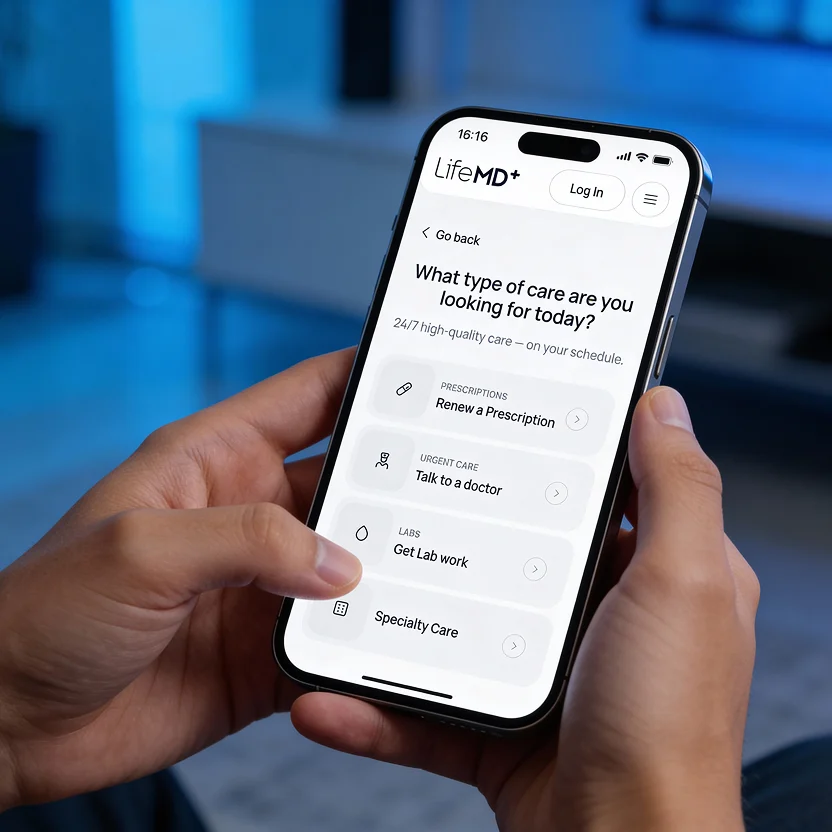
step 1
Schedule a visit with a board-certified doctor at a time that works best for you.

step 2
Your provider will assess your symptoms and, if appropriate, recommend a personalized course of treatment.
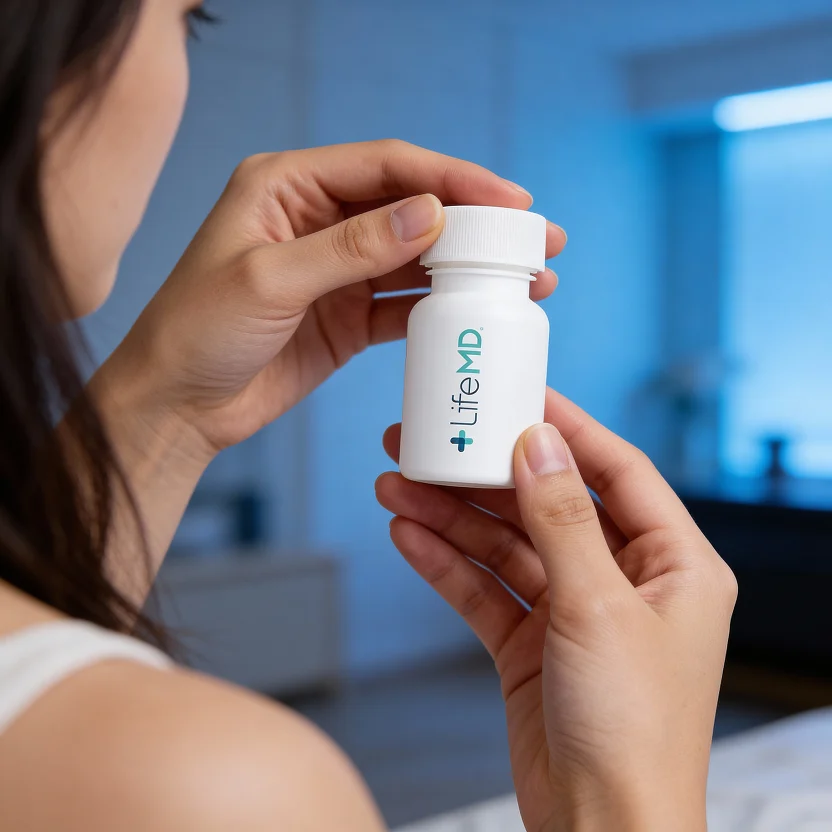
step 3
Your provider will design a tailored plan that may include prescription medication along with ongoing care and support.

Fluoxetine (Prozac®) belongs to a class of antidepressants known as SSRIs (selective serotonin reuptake inhibitors).
Fluoxetine (Prozac®) is FDA-approved to treat the symptoms of depression. It is also sometimes used to treat anxiety-related conditions.
Fluoxetine (Prozac®) works by blocking the reabsorption of serotonin, helping to enhance mood and decrease symptoms of anxiety and depression.
Fluoxetine (Prozac®) may help relieve persistent anxiety and depressive symptoms, improving daily function and quality of life.
Fluoxetine (Prozac®) is typically taken once daily, with or without food. Be sure to follow your provider’s instructions.
With fluoxetine (Prozac®), you may notice improved mood or energy, though some people may also experience temporary sleep changes or restlessness.
The time it takes to see results with fluoxetine (Prozac®) will vary. Some people notice some improvement within a couple weeks, while full benefits may take 4-6 weeks or longer.
When fluoxetine (Prozac®) is working, you may notice increased emotional stability and reduced feelings of overwhelm.
Before taking fluoxetine (Prozac®), let your provider know about any other prescriptions, over-the-counter medications, or supplements you're taking to avoid potential interactions.
Fluoxetine (Prozac®) increases the risk of suicidal thoughts and behaviors in pediatric and young adult patients. For additional risk information, please see Important safety information
You'll complete a brief online intake and connect with a licensed provider through video or message-based consultation. Your provider will review your symptoms and create a personalized treatment plan.
Yes. Secure messaging is available through your patient portal, so you can ask questions or share updates anytime between scheduled check-ins.
You’ll complete a short set of renewal questions to help your provider assess whether your medication is working effectively, monitor for side effects, and make any needed adjustments.
Not always. Some medications may be prescribed after an asynchronous (message-based) consultation, depending on your symptoms and what's clinically appropriate.
The program includes provider consultations, secure messaging, personalized treatment, prescription management, and access to LifeMD+ for urgent and primary care.
Licensed providers can diagnose and treat anxiety and depression with prescription medications like fluoxetine, when clinically appropriate. Get treatment 100% online, no matter where you are.
Looking for something else? See if provider-recommended treatments are right for you.










Connect with a licensed provider through LifeMD for a personalized treatment recommendation. No in-person visits or insurance required.
Get Started Today Get Started TodayImportant Notice: Talk to your psychiatrist or healthcare professional about the possible risks and benefits associated with the above medications before starting treatment. LifeMD does not offer therapy or counseling services and is not equipped to respond to mental health emergencies. If you’re experiencing a crisis, please call 911 or visit the nearest emergency room. IF YOU ARE CONTEMPLATING SUICIDE, CONTACT 911 OR CALL/TEXT THE NATIONAL SUICIDE PREVENTION LINE AT 988. These services are available 24/7.
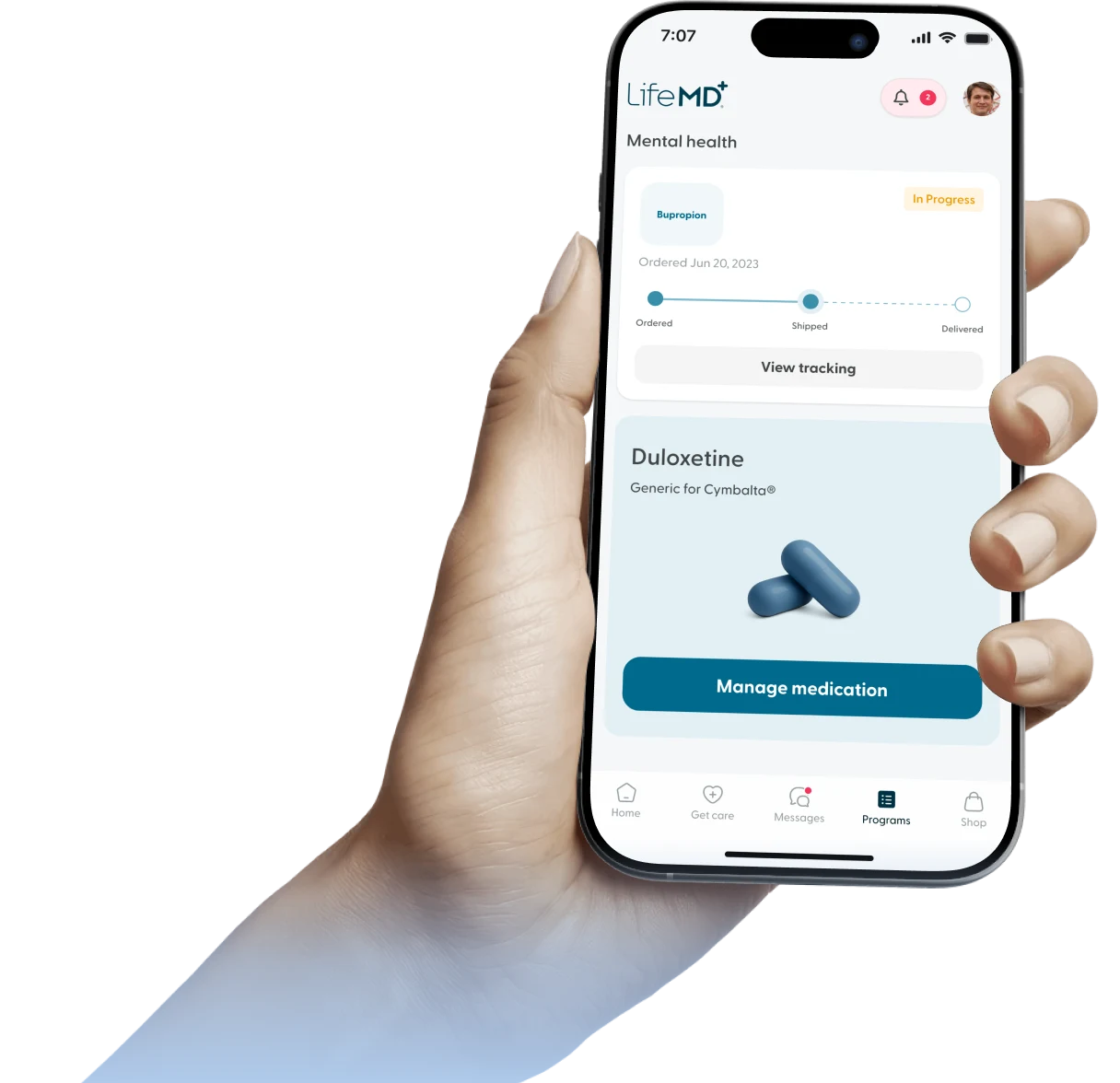

Propranolol
Next refill: May 21
Prescribed

Prozac®
Next refill: May 21
Prescribed

Zoloft®
Next refill: May 21
Prescribed
Table of Contents
Warning
○ Drugs like this one have raised the chance of suicidal thoughts or actions in children and young adults. The risk may be greater in people who have had these thoughts or actions in the past. All people who take this drug need to be watched closely. Call the doctor right away if signs like depression, nervousness, restlessness, grouchiness, panic attacks, or changes in mood or actions are new or worse. Call the doctor right away if any thoughts or actions of suicide occur.
What is this drug used for?
What do I need to tell my doctor BEFORE I take this drug?
This is not a list of all drugs or health problems that interact with this drug.
Tell your doctor and pharmacist about all of your drugs (prescription or OTC, natural products, vitamins) and health problems. You must check to make sure that it is safe for you to take this drug with all of your drugs and health problems. Do not start, stop, or change the dose of any drug without checking with your doctor.
What are some things I need to know or do while I take this drug?
For all patients taking this drug:
You will need to talk about the benefits and risks to you and the baby.
If you smoke:
What are some side effects that I need to call my doctor about right away? WARNING/CAUTION: Even though it may be rare, some people may have very bad and sometimes deadly side effects when taking a drug. Tell your doctor or get medical help right away if you have any of the following signs or symptoms that may be related to a very bad side effect:
What are some other side effects of this drug?
All drugs may cause side effects. However , many people have no side effects or only have minor side effects. Call your doctor or get medical help if any of these side effects or any other side effects bother you or do not go away:
All products:
Extended-release tablets:
How is this drug best taken?
Use this drug as ordered by your doctor. Read all information given to you. Follow all instructions closely.
For all uses of this drug:
What do I do if I miss a dose?
How do I store and/or throw out this drug?
General drug facts
What is this drug used for?
What do I need to tell my doctor BEFORE I take this drug?
This is not a list of all drugs or health problems that interact with this drug. Tell your doctor and pharmacist about all of your drugs (prescription or OTC, natural products, vitamins) and health problems. You must check to make sure that it is safe for you to take this drug with all of your drugs and health problems. Do not start, stop, or change the dose of any drug without checking with your doctor.
What are some things I need to know or do while I take this drug?
What are some side effects that I need to call my doctor about right away?
WARNING/CAUTION: Even though it may be rare, some people may have very bad and sometimes deadly side effects when taking a drug. Tell your doctor or get medical help right away if you have any of the following signs or symptoms that may be related to a very bad side effect:
What are some other side effects of this drug?
These are not all of the side effects that may occur. If you have questions about side effects, call your doctor. Call your doctor for medical advice about side effects. You may report side effects to your national health agency.
How is this drug best taken?
What do I do if I miss a dose?
How do I store and/or throw out this drug?
General drug facts
Children:
What is this drug used for?
What do I need to tell my doctor BEFORE I take this drug?
This is not a list of all drugs or health problems that interact with this drug. Tell your doctor and pharmacist about all of your drugs (prescription or OTC, natural products, vitamins) and health problems. You must check to make sure that it is safe for you to take this drug with all of your drugs and health problems. Do not start, stop, or change the dose of any drug without checking with your doctor.
What are some things I need to know or do while I take this drug?
For all patients taking this drug:
Children:
What are some side effects that I need to call my doctor about right away?
WARNING/CAUTION: Even though it may be rare, some people may have very bad and sometimes deadly side effects when taking a drug. Tell your doctor or get medical help right away if you have any of the following signs or symptoms that may be related to a very bad side effect:
What are some other side effects of this drug?
How is this drug best taken?
Use this drug as ordered by your doctor. Read all information given to you. Follow all instructions closely.
All products:
Oral solution:
What do I do if I miss a dose?
How do I store and/or throw out this drug?
General drug facts
Warning
What is this drug used for?
What do I need to tell my doctor BEFORE I take this drug?
What are some things I need to know or do while I take this drug?
What are some side effects that I need to call my doctor about right away?
WARNING/CAUTION: Even though it may be rare, some people may have very bad and sometimes deadly side effects when taking a drug. Tell your doctor or get medical help right away if you have any of the following signs or symptoms that may be related to a very bad side effect:
What are some other side effects of this drug?
These are not all of the side effects that may occur. If you have questions about side effects, call your doctor. Call your doctor for medical advice about side effects. You may report side effects to your national health agency.
How is this drug best taken?
Use this drug as ordered by your doctor. Read all information given to you. Follow all instructions closely.All products:
Capsules:
Sprinkle capsules:
What do I do if I miss a dose?
How do I store and/or throw out this drug?
General drug facts
Warning
For all patients taking this drug:
Children:
What is this drug used for?
What do I need to tell my doctor BEFORE I take this drug?
What are some things I need to know or do while I take this drug?
What are some side effects that I need to call my doctor about right away?
WARNING/CAUTION: Even though it may be rare, some people may have very bad and sometimes deadly side effects when taking a drug. Tell your doctor or get medical help right away if you have any of the following signs or symptoms that may be related to a very bad side effect:
What are some other side effects of this drug?
These are not all of the side effects that may occur. If you have questions about side effects, call your doctor. Call your doctor for medical advice about side effects. You may report side effects to your national health agency.
How is this drug best taken?
Use this drug as ordered by your doctor. Read all information given to you. Follow all instructions closely.All products:
Oral solution:
What do I do if I miss a dose?
How do I store and/or throw out this drug?
General drug facts
Warning
What is this drug used for?
What do I need to tell my doctor BEFORE I take this drug?
Tell your doctor and pharmacist about all of your drugs (prescription or OTC, natural products, vitamins) and health problems. You must check to make sure that it is safe for you to take this drug with all of your drugs and health problems. Do not start, stop, or change the dose of any drug without checking with your doctor.
What are some things I need to know or do while I take this drug?
What are some side effects that I need to call my doctor about right away?
WARNING/CAUTION: Even though it may be rare, some people may have very bad and sometimes deadly side effects when taking a drug. Tell your doctor or get medical help right away if you have any of the following signs or symptoms that may be related to a very bad side effect:
What are some other side effects of this drug?
These are not all of the side effects that may occur. If you have questions about side effects, call your doctor. Call your doctor for medical advice about side effects. You may report side effects to your national health agency.
How is this drug best taken?
Use this drug as ordered by your doctor. Read all information given to you. Follow all instructions closely.All products:
Long-acting products:
Liquid (solution):
What do I do if I miss a dose?
General drug facts
Warning
What is this drug used for?
What do I need to tell my doctor BEFORE I take this drug?
For all uses of this drug:
For treating hot flashes caused by menopause:
Tell your doctor and pharmacist about all of your drugs (prescription or OTC, natural products, vitamins) and health problems. You must check to make sure that it is safe for you to take this drug with all of your drugs and health problems. Do not start, stop, or change the dose of any drug without checking with your doctor.
What are some things I need to know or do while I take this drug?
What are some side effects that I need to call my doctor about right away?
WARNING/CAUTION: Even though it may be rare, some people may have very bad and sometimes deadly side effects when taking a drug. Tell your doctor or get medical help right away if you have any of the following signs or symptoms that may be related to a very bad side effect:
What are some other side effects of this drug?
These are not all of the side effects that may occur. If you have questions about side effects, call your doctor. Call your doctor for medical advice about side effects. You may report side effects to your national health agency.
How is this drug best taken?
Use this drug as ordered by your doctor. Read all information given to you. Follow all instructions closely.All products:
Liquid (suspension):
Tablets:
Capsules:
What do I do if I miss a dose?
How do I store and/or throw out this drug?
All products:
Capsules:
General drug facts
What is this drug used for?
What do I need to tell my doctor BEFORE I take this drug?
This is not a list of all drugs or health problems that interact with this drug.
Tell your doctor and pharmacist about all of your drugs (prescription or OTC, natural products, vitamins) and health problems. You must check to make sure that it is safe for you to take this drug with all of your drugs and health problems. Do not start, stop, or change the dose of any drug without checking with your doctor.
What are some things I need to know or do while I take this drug?
All products:
Oral solution:
What are some side effects that I need to call my doctor about right away?
WARNING/CAUTION: Even though it may be rare, some people may have very bad and sometimes deadly side effects when taking a drug. Tell your doctor or get medical help right away if you have any of the following signs or symptoms that may be related to a very bad side effect:
What are some other side effects of this drug?
These are not all of the side effects that may occur. If you have questions about side effects, call your doctor. Call your doctor for medical advice about side effects. You may report side effects to your national health agency.
How is this drug best taken?
Use this drug as ordered by your doctor. Read all information given to you. Follow all instructions closely.Inderal XL and InnoPran XL:
All other oral products:
Oral solution:
All long-acting products:
What do I do if I miss a dose?
All oral products:
Injection:
How do I store and/or throw out this drug?
All oral products:
Injection:
All products:
General drug facts
Warning
What is this drug used for?
What do I need to tell my doctor BEFORE I take this drug?
All products:
Oral solution:
What are some things I need to know or do while I take this drug?
What are some side effects that I need to call my doctor about right away?
WARNING/CAUTION: Even though it may be rare, some people may have very bad and sometimes deadly side effects when taking a drug. Tell your doctor or get medical help right away if you have any of the following signs or symptoms that may be related to a very bad side effect:
What are some other side effects of this drug?
These are not all of the side effects that may occur. If you have questions about side effects, call your doctor. Call your doctor for medical advice about side effects. You may report side effects to your national health agency.
How is this drug best taken?
Use this drug as ordered by your doctor. Read all information given to you. Follow all instructions closely.Tablets:
Capsules:
Oral solution:
What do I do if I miss a dose?
How do I store and/or throw out this drug?
General drug facts
Warning
What is this drug used for?
What do I need to tell my doctor BEFORE I take this drug?
This is not a list of all drugs or health problems that interact with this drug.
Tell your doctor and pharmacist about all of your drugs (prescription or OTC, natural products, vitamins) and health problems. You must check to make sure that it is safe for you to take this drug with all of your drugs and health problems. Do not start, stop, or change the dose of any drug without checking with your doctor.
What are some things I need to know or do while I take this drug?
All products:
Extended-release capsules:
Extended-release tablets:
What are some side effects that I need to call my doctor about right away?
WARNING/CAUTION: Even though it may be rare, some people may have very bad and sometimes deadly side effects when taking a drug. Tell your doctor or get medical help right away if you have any of the following signs or symptoms that may be related to a very bad side effect:
What are some other side effects of this drug?
These are not all of the side effects that may occur. If you have questions about side effects, call your doctor. Call your doctor for medical advice about side effects. You may report side effects to your national health agency.
How is this drug best taken?
Use this drug as ordered by your doctor. Read all information given to you. Follow all instructions closely.All products:
Extended-release capsules:
Extended-release tablets:
What do I do if I miss a dose?
How do I store and/or throw out this drug?
General drug facts