
How to Waterproof a Wound

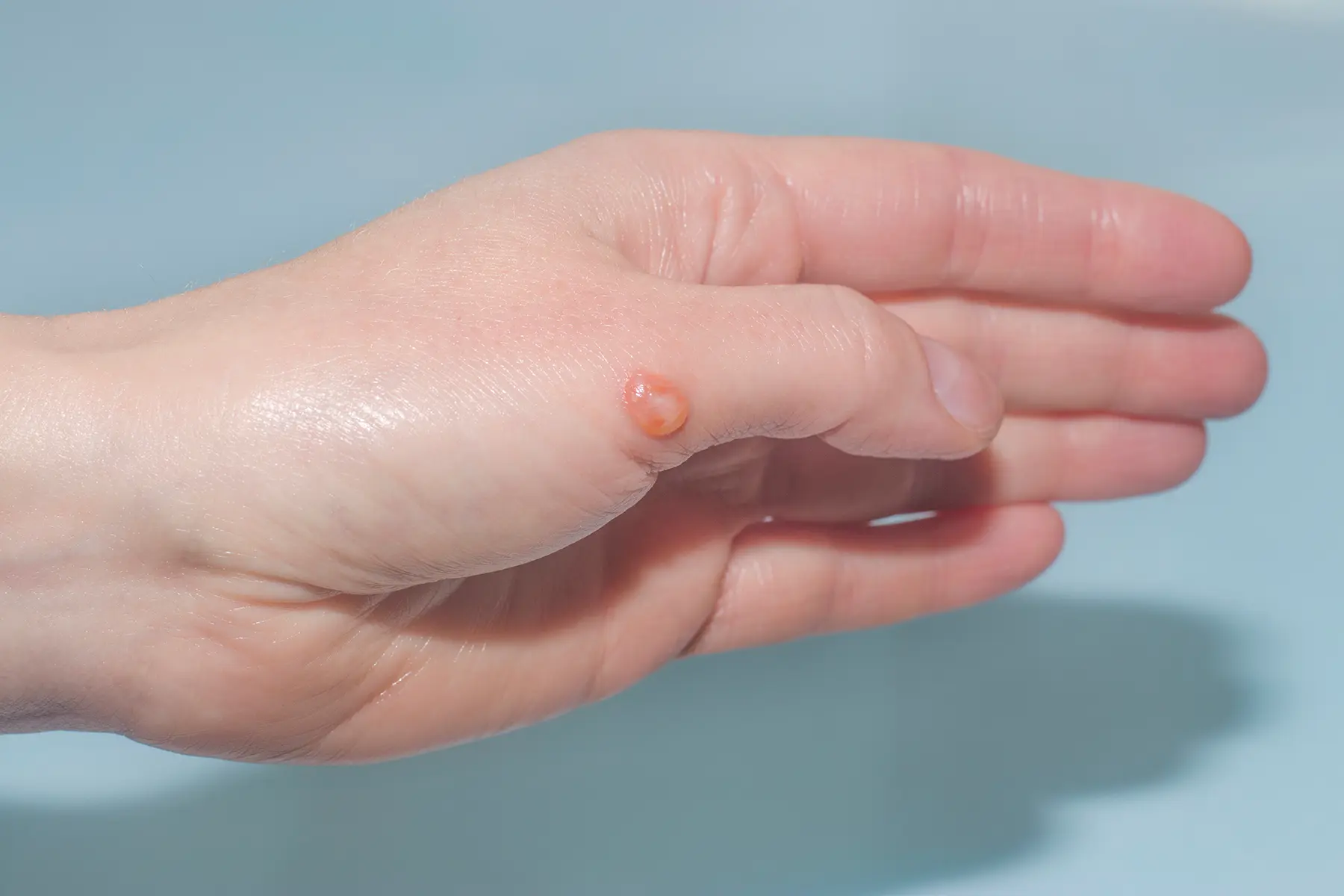
Whether you’re an avid swimmer, on a tropical vacation at the beach, or just trying to take a shower, you may be wondering if you can get in the water while you have a wound.
Fortunately, most wounds can be completely waterproofed so you don’t have to stay out of the water. If you effectively waterproof your wound, you can swim all you want without risking infection.
Here’s your guide to waterproofing a wound.
Waterproofing Small Wounds
If you have a minor scrape or cut, sealing it properly will protect you from possible infection.
Be sure to properly clean the wound before dressing it. This can be done with saline solution or water and a mild soap. The wound should be completely clean, so if there is any dirt or debris, keep rinsing it until all of it has been flushed.
If there are any larger foreign objects stuck in the wound, do not try to remove them yourself, as this could further damage it. Seek medical attention if this is the case.
Once the wound has been cleaned, pat it dry with a clean cloth or towel.
Create a protective barrier over the wound with an antibiotic ointment or petroleum jelly.
To ensure that no pool, beach, or shower water enters the wound, opt for a waterproof bandage. These dressings are made with waterproof materials and include a tighter seal. The key is to apply it tightly so that it stays pressed onto the skin to keep the wound dry. This can get tricky depending on the location of the wound. For extra protection, seal the edges of the bandage with waterproof adhesive tape.
After each swim or shower, replace your bandages. Even waterproof dressings can lose their effectiveness if they are submerged repeatedly or for extended periods of time.
Waterproofing Larger Wounds
Larger wounds typically require more care if you are going in the water. Before diving in, be sure to talk to your healthcare provider about swimming with a large wound, as it may not be safe for some wounds to be submerged.
Just as with a small wound, prepare your wound for dressing by rinsing it thoroughly and applying a suitable ointment.
Cover the wound with sterile bandages that are large enough to cover it entirely. Make sure it’s sealed tightly without the possibility of water entry.
After being in the water, check your wounds for any sign of infection. To identify an infection, check for:
Pain or redness
Excessive drainage or bleeding that doesn’t stop
Foul odor
Fever and/or chills
If you experience any of these symptoms, seek medical attention immediately.
Are There Any Wounds I Shouldn’t Swim With?
There are certain wounds that you should avoid submerging underwater, whether that be in the pool or in open water. If you have an open wound or one that is still bleeding, it may be best to avoid going in the water until the wound is in better shape.
The same can be said about a wound with stitches. It’s best to avoid submerging the wound until the healing process has begun or your healthcare provider has given you the OK.
When Can I Stop Using a Bandage in the Water?
For a quicker healing process, avoid soaking your wound until after the scabbing process. Until then, the safest option is to waterproof the wound with the appropriate bandages.
You may run the risk of infection if you expose your wound to the chemicals in pool water or the bacteria of open waters.
Where Can I Learn More About Wound Care?
If you’re concerned about a wound, you can speak to a licensed healthcare provider from the comfort of your home.
Head over to LifeMD to schedule an online appointment today.