
What Online Dermatology Can Treat and When You Still Need to Be Seen in Person

In 2025, the average wait for a non-urgent dermatology visit in the United States reached 36.5 days across 15 major metro areas, up from 34.5 days in 2022. For a stubborn breakout or a flare of eczema that's keeping you up at night, a month is a long time to wait.
That gap between demand and available specialists is one reason virtual dermatology has grown so quickly. It's a genuinely useful option for a lot of skin concerns, and it has real limits worth knowing. Here's what online dermatology handles well, and when you're better off seeing someone in person.
Why the Wait Time is So Long
Skin complaints are extremely common. Skin diseases affect close to one-third of the global population at any given time, which puts enormous pressure on a limited pool of specialists. Add an aging population, a rising incidence of skin cancer (the most commonly diagnosed cancer in the United States), and a capped number of dermatology training slots each year, and there simply aren't enough dermatologists to keep up.
Virtual dermatology doesn't create new specialists, but it does use the ones we have more efficiently. Many skin issues can be assessed from good photographs and a thorough history, which frees up in-person appointments for the cases that truly need hands-on evaluation.
What Virtual Dermatology Treats Well
Research consistently supports teledermatology as a reliable option for a wide range of common skin conditions. A large 2026 research review concluded that it offers high diagnostic accuracy and works as a dependable alternative to in-person care for diagnosing common skin conditions and screening for skin cancer.
The conditions best suited to virtual care tend to be visible, chronic, or stable, including:
Acne, including ongoing management and prescription regimens
Rosacea and related facial redness
Eczema (atopic dermatitis) and seborrheic dermatitis
Prescription skincare, such as topical retinoids or medicated treatments
Follow-up and monitoring for conditions already diagnosed in person
For these, a virtual visit can be as convenient as it sounds: no waiting room, no time off work, and a treatment plan that arrives quickly rather than weeks later.
Where Virtual Care Falls Short
Virtual care isn't a full substitute for an in-person exam, and a good provider will always tell you when you need one.
When researchers compare the two directly, in-person assessment still holds roughly an 11% edge in diagnostic accuracy over a remote consultation, and some situations genuinely call for a physical visit. Those include:
Suspicious or changing moles and lesions that may need a biopsy
Full-body skin cancer screenings and mole mapping
Anything requiring dermoscopy, a procedure, or a hands-on physical exam
New or unclear rashes that can't be confidently identified from a photo
A good virtual provider treats these as referrals, not problems to work around. If a clinician reviews your photos and recommends an in-person visit, that's a sign the process is working, not a setback.
What a Virtual Dermatology Visit Looks Like
If you've never done one, the process is straightforward:
You submit photos and a symptom history. Clear, well-lit still images matter here. Research shows still photos often work better than live video for diagnosis.
A licensed provider reviews your case. They assess your images, your history, and your goals.
You receive a treatment plan. This may include over-the-counter guidance, a prescription, or a recommendation to be seen in person.
You get a prescription when appropriate, often sent to a pharmacy or fulfilled through the provider's own pharmacy network.
Key Point: A Quick Note on Summer Skin
Summer tends to send people to dermatology for the first time. More sun means more sunburn and post-burn peeling, more heat rash, and, for anyone spending time outdoors, the occasional tick-bite rash that warrants a professional look. Many of these are well suited to a fast virtual assessment, though a rash that's spreading, painful, or accompanied by fever is a reason to seek prompt in-person or urgent care rather than wait.
How LifeMD Can Help
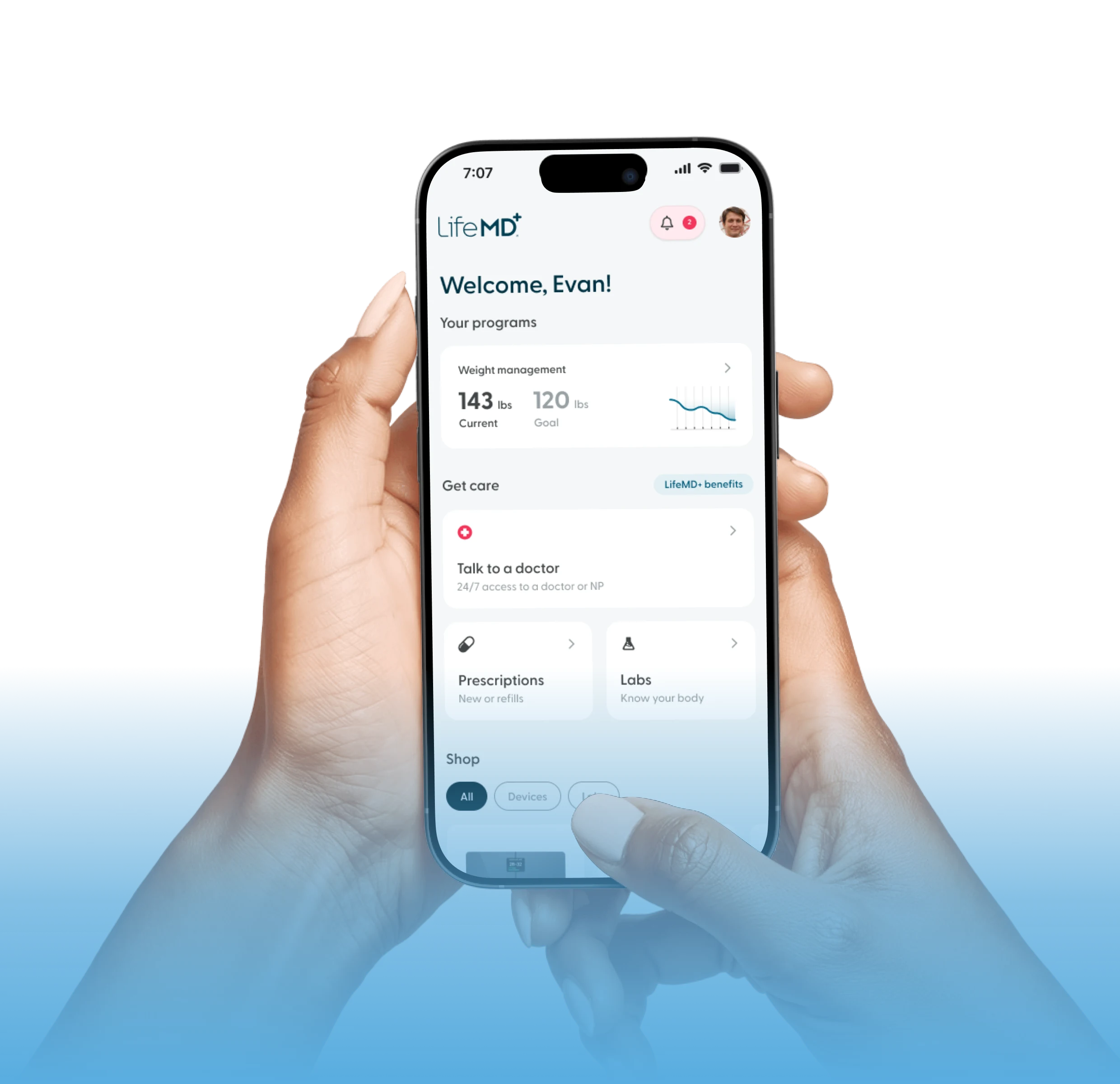
Skin care is one of LifeMD's core virtual care areas. With a LifeMD+ membership, you can connect with a licensed provider to treat common skin concerns like acne, rashes, eczema, rosacea, and more, often quickly rather than joining a weeks-long waitlist. Because LifeMD's affiliated medical group is licensed in all 50 states, you can be seen wherever you are in the country, and its affiliated pharmacy can fill any prescription your provider decides is right for you.
For even more flexibility, a LifeMD+ membership gives you 24/7 access to care, same-day prescription refills, exclusive wellness perks, and easy access to lab testing, all designed to make managing your health simple and stress-free.
Skip the waiting room. Join LifeMD and take control of your health today.