Schedule
Book a telehealth appointment from wherever you are. No insurance necessary.

 Main Menu
Achieve your weight-loss goals with GLP-1 treatments like Wegovy® and Zepbound®, guided by licensed providers every step of the way.
Personalized care for women, with HRT and lifestyle support to ease menopause symptoms and restore balance.
Personalized care for men, with treatments for testosterone, sexual health, hair loss, and more.
Simple, supportive mental health care on your terms, including access to prescription medication when appropriate.
Care without the wait—connect 24/7 with licensed providers for same-day prescription refills and common concerns like colds, flu, rashes, and more.
Talk to a doctor anytime, anywhere — 24/7 urgent & primary care with a telehealth visit in under one hour.
Get your medication prescribed online and sent same-day to your local pharmacy for pickup.
Save time, money, and the hassle — no in-person visits or insurance required.


Prescription treatments are tailored to your specific condition, ensuring effective relief.

Urgent evaluation is crucial to identify your condition early and prevent complications.
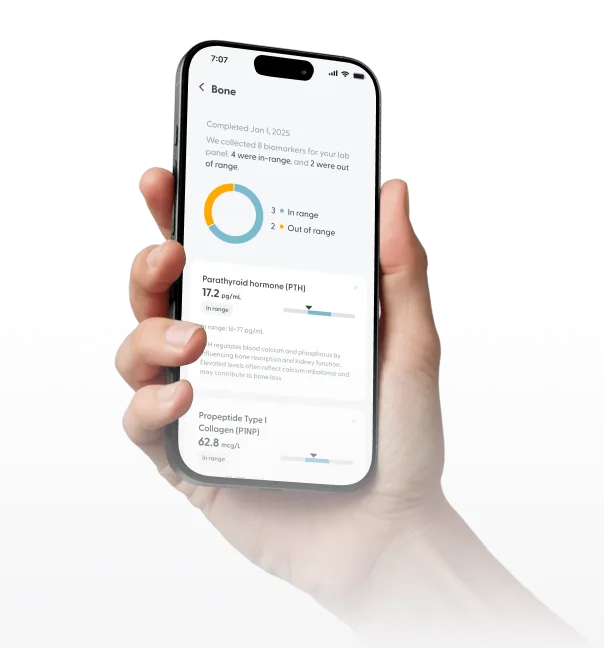
Accurate testing, if needed, can confirm your diagnosis and guide the best course of treatment

Licensed providers can send prescriptions to your local pharmacy within an hour, day or night.

step 1
Book a telehealth appointment from wherever you are. No insurance necessary.

step 2
Meet with a board-certified doctor or nurse practitioner from your mobile device.
step 3
Get a prescription if needed (save up to 90%), and pick it up at your pharmacy.
Altitude sickness, also known as acute mountain sickness (AMS), occurs when you ascend to high elevations too quickly and your body doesn't have enough time to adjust to the lower oxygen levels and decreased air pressure. Many people underestimate altitude sickness or confuse it with other illnesses. Altitude sickness is caused by reduced oxygen availability at high elevations (typically above 8,000 feet) and produces headache, nausea, fatigue, and dizziness that develop within hours of ascending.
Dehydration, flu, or exhaustion from physical activity can cause similar symptoms but have different causes and don't improve with descent to lower elevation.
Altitude sickness can cause uncomfortable symptoms such as headache (often throbbing and worse at night), nausea or vomiting, fatigue and weakness, dizziness or lightheadedness, difficulty sleeping, loss of appetite, and shortness of breath during exertion.
Getting the right treatment plan for altitude sickness can help prevent symptoms when ascending to high elevations, relieve discomfort if symptoms develop, and prevent progression to more serious conditions like high-altitude pulmonary edema (HAPE) or high-altitude cerebral edema (HACE).
With LifeMD, you can get immediate help and preventive medication online without an in-office appointment before traveling to high elevations. Prescription medications can effectively prevent or reduce altitude sickness symptoms when combined with proper acclimatization practices.
Get Started Get Started
Total Cholesterol

37 mg/mL
In range

LDL (Low-Density Lipoprotein)
47 mg/mL
In range

Triglycerides
158 mg/mL
Above range


Acetazolamide is a carbonic anhydrase inhibitor that works by speeding up acclimatization. It causes the kidneys to excrete bicarbonate, making your blood more acidic, which stimulates breathing and improves oxygen levels in the blood. It's the most effective medication for both preventing and treating altitude sickness. For prevention, it’s typical to start one to two days before ascending and continue for two to three days at high elevation. It's taken twice daily and reduces the incidence and severity of altitude sickness by about 75%. Common side effects include increased urination and tingling in fingers and toes.
Dexamethasone is a corticosteroid that works by reducing inflammation and swelling in the brain caused by altitude, helping to prevent and treat altitude sickness symptoms. It's typically reserved for treatment of moderate to severe altitude sickness or for prevention when acetazolamide can't be used due to allergies or side effects. It's taken every six hours and provides rapid symptom relief, often within hours. While effective, it doesn't aid acclimatization like acetazolamide does – it masks symptoms without helping the body adjust – so descent is still necessary if symptoms are severe.
Ibuprofen is a nonsteroidal anti-inflammatory drug that works by reducing inflammation and pain, providing relief from altitude headache, the most common and bothersome symptom of altitude sickness. While it doesn't prevent altitude sickness or aid acclimatization, it effectively treats headache pain. It's typically taken every six to eight hours as needed and can be used alongside acetazolamide for better symptom control. It's a good option for mild altitude sickness or for treating headache while the body acclimatizes naturally.
“Dr. Puopolo is a very knowledgeable doctor with vast experience in different medical fields. I feel I am in good hands.”
Verified Patient

“Great experience!! Never have done online telehealth before but for sure will again :)”
Verified Patient
“Dr. Culpepper was amazing. He explained things to me that I didn’t understand.”
Verified Patient
“Dr. Sehgal was amazing! Super helpful. She was answering my questions before I even asked. Very happy I picked her.”
Verified Patient
"The appointment went great. It was quick and easy, and the doctor was right on top of things!"
Verified Patient
Reviews shown are from verified LifeMD patients across various services. Photos are for illustrative purposes only.

Preventing altitude sickness involves gradual acclimatization and proper preparation. Ascend slowly – above 8,000 feet, avoid climbing more than 1,000-1,500 feet per day in sleeping elevation, and include rest days every few thousand feet to allow your body to adjust. If flying directly to high elevation, spend a day or two acclimatizing before strenuous activity. Stay well-hydrated by drinking plenty of water, as dehydration worsens symptoms. Avoid alcohol and sleeping pills for the first few days at altitude as they can suppress breathing. Eat a high-carbohydrate diet which helps with oxygen utilization. Take acetazolamide preventively starting one to two days before ascent if you're prone to altitude sickness or ascending rapidly. Listen to your body – if you develop symptoms, stop ascending and rest until they resolve. If symptoms worsen, descend immediately. People with a history of altitude sickness should be especially cautious and consider preventive medication.
Altitude sickness has three main stages of increasing severity. Acute mountain sickness (AMS) is the mildest and most common form, causing headache, nausea, fatigue, dizziness, and difficulty sleeping, typically developing within six to 12 hours of reaching high elevation. Symptoms are uncomfortable but not immediately life-threatening and usually resolve with rest and acclimatization or improve with descent.
High-altitude pulmonary edema (HAPE) is a serious condition where fluid accumulates in the lungs, causing severe shortness of breath even at rest, cough (sometimes with pink frothy sputum), chest tightness, extreme fatigue, and bluish skin—this requires immediate descent and medical treatment. High-altitude cerebral edema (HACE) is the most severe form where fluid accumulates in the brain, causing severe headache, confusion, loss of coordination, altered consciousness, and potentially coma – this is life-threatening and requires immediate descent and emergency medical care. HAPE and HACE are medical emergencies requiring urgent evacuation to lower elevation.
You likely have altitude sickness if you develop a headache along with one or more other symptoms within hours to a day of ascending to high elevation (typically above 8,000 feet). The hallmark symptom is headache that doesn't respond well to typical pain relievers. Additional symptoms include nausea or vomiting, unusual fatigue or weakness, dizziness, difficulty sleeping despite being tired, loss of appetite, and shortness of breath during activities that normally wouldn't cause breathlessness.
Symptoms typically develop six to 12 hours after arrival at high elevation but can appear sooner or later. The diagnosis is based on these symptoms occurring in the context of recent altitude gain. If you experience severe symptoms like extreme shortness of breath at rest, confusion, inability to walk straight, or severe persistent headache, you may have HAPE or HACE and need immediate descent and medical attention.
Online altitude sickness consultations typically involve a virtual visit with a licensed healthcare provider before traveling to high elevation. During the consultation, you can discuss your travel plans including destination elevation and ascent schedule, describe any previous experiences with altitude sickness, explain your medical history and current fitness level, and mention medications you're currently taking. You'll receive a personalized prevention plan which may include prescription acetazolamide to take before and during your trip, guidance on acclimatization strategies, and instructions on recognizing warning signs that require descent.
Be sure to provide your doctor with detailed information, such as:
• Your destination and planned elevation
• How quickly you'll be ascending
• Whether you've had altitude sickness before and how severe it was
• Your overall fitness level and planned activities
• Any lung, heart, or breathing conditions
• Whether you're pregnant or planning to become pregnant
• Current medications, especially diuretics or sulfa drug allergies
• Underlying health conditions or any allergies
The more information you provide, the better your doctor can assess your risk and prescribe appropriate preventive medication.
LifeMD offers online altitude sickness consultations and can provide prescriptions for preventive medications like acetazolamide before your trip to high elevation. You can have these sent to your local pharmacy, where your medication will be prepared for pick-up well before your departure.
When it comes to preventing altitude sickness, acetazolamide should be started one to two days before ascending to high elevation. It begins working within hours to speed acclimatization, and when taken preventively, it significantly reduces the likelihood of developing symptoms as you ascend. If altitude sickness symptoms do develop despite prevention, acetazolamide helps them resolve more quickly, typically within 12 to 24 hours when combined with rest at the same elevation or descent. Ibuprofen provides headache relief within one to two hours.
Dexamethasone works rapidly, often improving symptoms within hours, though it only masks symptoms rather than promoting acclimatization. The most effective "treatment" for altitude sickness is descent – symptoms typically improve significantly within hours of descending 1,000-3,000 feet and usually resolve completely within 24 hours of returning to lower elevation. If symptoms don't improve with medication and rest, or if they worsen, immediate descent is essential.

Family Medicine
4.93 stars 170 reviews

Internal Medicine
4.98 stars 178 reviews

Internal Medicine
4.92 stars 261 reviews

Family Medicine
4.94 stars 178 reviews

Hormone Specialist
4.92 stars 163 reviews