Schedule
Book a telehealth appointment from wherever you are. No insurance necessary.

 Main Menu
Achieve your weight-loss goals with GLP-1 treatments like Wegovy® and Zepbound®, guided by licensed providers every step of the way.
Personalized care for women, with HRT and lifestyle support to ease menopause symptoms and restore balance.
Personalized care for men, with treatments for testosterone, sexual health, hair loss, and more.
Simple, supportive mental health care on your terms, including access to prescription medication when appropriate.
Care without the wait—connect 24/7 with licensed providers for same-day prescription refills and common concerns like colds, flu, rashes, and more.
Talk to a doctor anytime, anywhere — 24/7 urgent & primary care with a telehealth visit in under one hour.
Get your medication prescribed online and sent same-day to your local pharmacy for pickup.
Save time, money, and the hassle — no in-person visits or insurance required.


Prescription treatments are tailored to your specific condition, ensuring effective relief.

Urgent evaluation is crucial to identify your condition early and prevent complications.

Accurate testing, if needed, can confirm your diagnosis and guide the best course of treatment

Licensed providers can send prescriptions to your local pharmacy within an hour, day or night.

step 1
Book a telehealth appointment from wherever you are. No insurance necessary.

step 2
Meet with a board-certified doctor or nurse practitioner from your mobile device.

step 3
Get a prescription if needed (save up to 90%), and pick it up at your pharmacy.
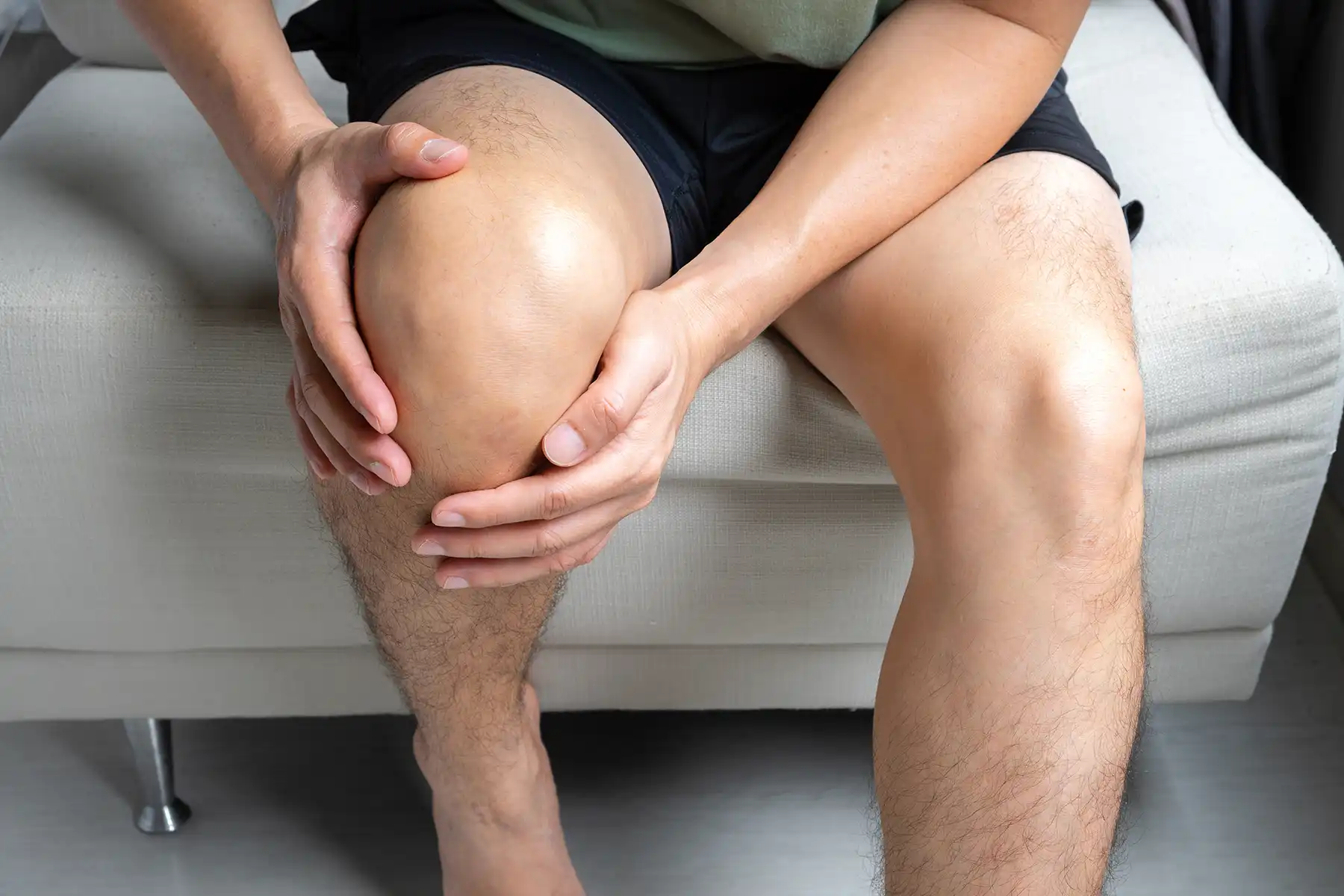
Osteoarthritis is a degenerative joint disease that occurs when the protective cartilage that cushions the ends of bones wears down over time, causing pain, stiffness, and reduced mobility. Many people confuse osteoarthritis with rheumatoid arthritis. Osteoarthritis is a degenerative "wear and tear" condition where cartilage breaks down due to age, overuse, or injury, typically affecting weight-bearing joints, whereas rheumatoid arthritis is an autoimmune disease where the immune system attacks the joint lining, causing inflammation throughout the body.
Osteoarthritis can cause uncomfortable symptoms such as joint pain that worsens with activity, stiffness especially in the morning or after sitting, reduced range of motion, a grating sensation when moving the joint, swelling, and bone spurs forming around affected joints. Getting the right treatment plan for osteoarthritis can help manage pain, improve joint function, slow disease progression, and maintain your quality of life and independence.
With LifeMD, you can get immediate help and treatment online without an in-office appointment. Prescription medications can effectively manage osteoarthritis symptoms and help you stay active and comfortable.
Get Started Get Started
Total Cholesterol

37 mg/mL
In range

LDL (Low-Density Lipoprotein)
47 mg/mL
In range

Triglycerides
158 mg/mL
Above range


Celecoxib is a COX-2 selective nonsteroidal anti-inflammatory drug (NSAID) that works by reducing inflammation and pain while causing less stomach irritation than traditional NSAIDs. It blocks the enzyme responsible for producing inflammatory chemicals in the body, providing effective relief for osteoarthritis pain and stiffness.
It's typically taken once or twice daily and is particularly useful for people who need long-term pain management but have a history of stomach problems with other NSAIDs. Regular monitoring is recommended, especially for cardiovascular and kidney function.
Diclofenac is a nonsteroidal anti-inflammatory drug that works by blocking enzymes that produce prostaglandins, chemicals responsible for pain, inflammation, and swelling in osteoarthritis. It's available in oral tablets and topical gel forms, with the gel allowing targeted application directly to painful joints with less systemic absorption and fewer side effects.
Oral diclofenac is typically taken two to three times daily, while the gel is applied to affected joints three to four times daily. It provides effective pain relief and improved mobility for osteoarthritis symptoms.
Tramadol is a pain reliever that works through two mechanisms: it binds to opioid receptors in the brain and also increases levels of serotonin and norepinephrine, neurotransmitters that help reduce pain signals. It's often prescribed for moderate to moderately severe osteoarthritis pain when NSAIDs alone aren't sufficient or can't be used due to side effects or contraindications.
It's typically taken every four to six hours as needed or in extended-release form once or twice daily. While less potent than traditional opioids, it still requires careful use and monitoring due to potential for dependence with long-term use.
“Dr. Puopolo is a very knowledgeable doctor with vast experience in different medical fields. I feel I am in good hands.”
Verified Patient

“Great experience!! Never have done online telehealth before but for sure will again :)”
Verified Patient
“Dr. Culpepper was amazing. He explained things to me that I didn’t understand.”
Verified Patient
“Dr. Sehgal was amazing! Super helpful. She was answering my questions before I even asked. Very happy I picked her.”
Verified Patient
"The appointment went great. It was quick and easy, and the doctor was right on top of things!"
Verified Patient
Reviews shown are from verified LifeMD patients across various services. Photos are for illustrative purposes only.

Osteoarthritis progresses through four stages based on the severity of cartilage damage and symptoms.
Stage 1 (minor) involves minimal cartilage wear with little to no pain, though X-rays may show very small bone spurs. Most people don't notice symptoms at this stage.
Stage 2 (mild) shows more noticeable cartilage damage and larger bone spurs, with mild pain or stiffness after activity or prolonged sitting, though joint space remains relatively normal.
Stage 3 (moderate) involves significant cartilage erosion with narrowing joint space visible on X-rays, frequent pain during activities, stiffness, swelling, and possible joint deformity beginning to develop.
Stage 4 (severe) is the most advanced stage where cartilage is almost completely gone, bones rub directly against each other, causing severe pain even at rest, significant stiffness, reduced mobility, and often requiring joint replacement surgery for relief. Early diagnosis and treatment in stages 1 and 2 can help slow progression and manage symptoms before significant joint damage occurs.
No, osteoarthritis cannot be reversed or cured. Once cartilage is damaged or worn away, it doesn't regenerate on its own. However, while the structural damage can't be undone, osteoarthritis progression can be slowed, symptoms can be effectively managed, and joint function can often be preserved or improved with proper treatment. Weight loss, exercise to strengthen supporting muscles, physical therapy, medications for pain and inflammation, and lifestyle modifications can significantly improve quality of life and slow further deterioration.
In severe cases where conservative treatments aren't enough, joint replacement surgery can essentially "reset" the joint by replacing damaged components with artificial ones, providing pain relief and restored function. The key is early intervention and consistent management to prevent osteoarthritis from progressing to more severe stages.
While osteoarthritis can't always be completely prevented, especially when genetic factors or aging are involved, you can significantly reduce your risk and delay its onset through several strategies. Maintain a healthy weight, as excess weight puts additional stress on weight-bearing joints like knees, hips, and spine. Stay physically active with regular low-impact exercise like walking, swimming, or cycling to keep joints flexible and strengthen supporting muscles without excessive wear. Avoid repetitive joint stress and use proper body mechanics when lifting or performing physical activities. Protect your joints from injury by using appropriate safety equipment during sports and avoiding activities that put excessive strain on joints.
Strengthen muscles around joints through resistance training to provide better support and stability. Eat a balanced diet rich in anti-inflammatory foods and omega-3 fatty acids. Treat injuries properly and completely to prevent post-traumatic arthritis. While these measures can't guarantee prevention, they significantly reduce risk and can delay osteoarthritis development by years or decades.
Online osteoarthritis treatments typically involve a virtual consultation with a licensed healthcare provider. During the consultation, you can discuss your symptoms, describe which joints are affected and the severity of pain and stiffness, provide your medical history including any previous imaging or diagnoses, explain how osteoarthritis impacts your daily activities, and share what treatments you've already tried. Your provider will assess your symptoms and determine appropriate medications for pain management and inflammation control.
You'll then receive a personalized treatment plan with medication recommendations and any necessary prescriptions. Your healthcare provider may also recommend weight management, exercise routines, physical therapy, joint protection strategies, and assistive devices. However, osteoarthritis often benefits from in-person evaluation, imaging, and potentially specialist care from a rheumatologist or orthopedist for comprehensive management.
It's important to be open and honest during your consultation to help your healthcare provider develop the most effective treatment plan. Be sure to provide your doctor with detailed information, such as:
• Your symptoms, including which joints hurt, pain intensity, and how it affects daily activities
• When symptoms started and whether they've worsened over time
• What makes pain better or worse, such as activity, rest, or weather changes
• Previous treatments, physical therapy, or injections you've tried and their effectiveness
• Whether you have morning stiffness and how long it lasts
• Underlying health conditions, current medications, or any allergies
The more information you can provide, the better your doctor can assess the severity of your osteoarthritis, prescribe appropriate pain management, and recommend strategies to slow progression and maintain joint function.
LifeMD offers online osteoarthritis treatments and can provide you with the prescriptions you need. You can have these sent to your local pharmacy, where your medication will be prepared for pick-up.
When it comes to treating osteoarthritis, the timeline depends on the type of treatment used. NSAIDs like celecoxib or diclofenac typically provide pain relief within a few hours, with maximum anti-inflammatory effects building over several days to a week of consistent use. Topical NSAIDs may provide localized relief within 30 minutes to a few hours of application. Pain relievers like tramadol usually work within 30 minutes to an hour. For corticosteroid injections if prescribed, relief often occurs within 24 to 48 hours and can last weeks to months. Lifestyle modifications like weight loss and exercise show gradual improvement over weeks to months – losing even 5-10% of body weight can significantly reduce joint pain, and strengthening exercises typically show benefits after four to six weeks of consistent effort.
Osteoarthritis management is often a long-term process requiring patience and combination approaches. If pain doesn't improve after a few weeks of treatment or significantly worsens, contact your healthcare provider for treatment adjustments or further evaluation.

Family Medicine
4.93 stars 170 reviews

Internal Medicine
4.98 stars 178 reviews

Internal Medicine
4.92 stars 261 reviews

Family Medicine
4.94 stars 178 reviews

Hormone Specialist
4.92 stars 163 reviews