Schedule
Book a telehealth appointment from wherever you are. No insurance necessary.

 Main Menu
Achieve your weight-loss goals with GLP-1 treatments like Wegovy® and Zepbound®, guided by licensed providers every step of the way.
Personalized care for women, with HRT and lifestyle support to ease menopause symptoms and restore balance.
Personalized care for men, with treatments for testosterone, sexual health, hair loss, and more.
Simple, supportive mental health care on your terms, including access to prescription medication when appropriate.
Care without the wait—connect 24/7 with licensed providers for same-day prescription refills and common concerns like colds, flu, rashes, and more.
Talk to a doctor anytime, anywhere — 24/7 urgent & primary care with a telehealth visit in under one hour.
Get your medication prescribed online and sent same-day to your local pharmacy for pickup.
Save time, money, and the hassle — no in-person visits or insurance required.


Prescription treatments are tailored to your specific condition, ensuring effective relief.

Urgent evaluation is crucial to identify your condition early and prevent complications.
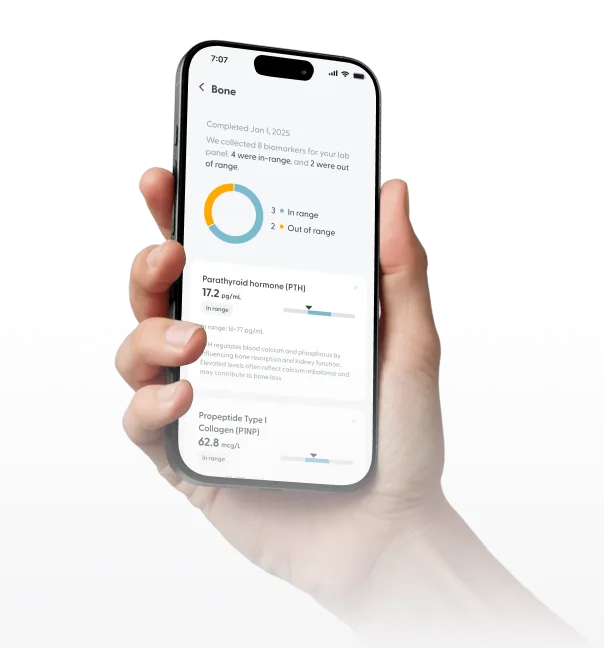
Accurate testing, if needed, can confirm your diagnosis and guide the best course of treatment
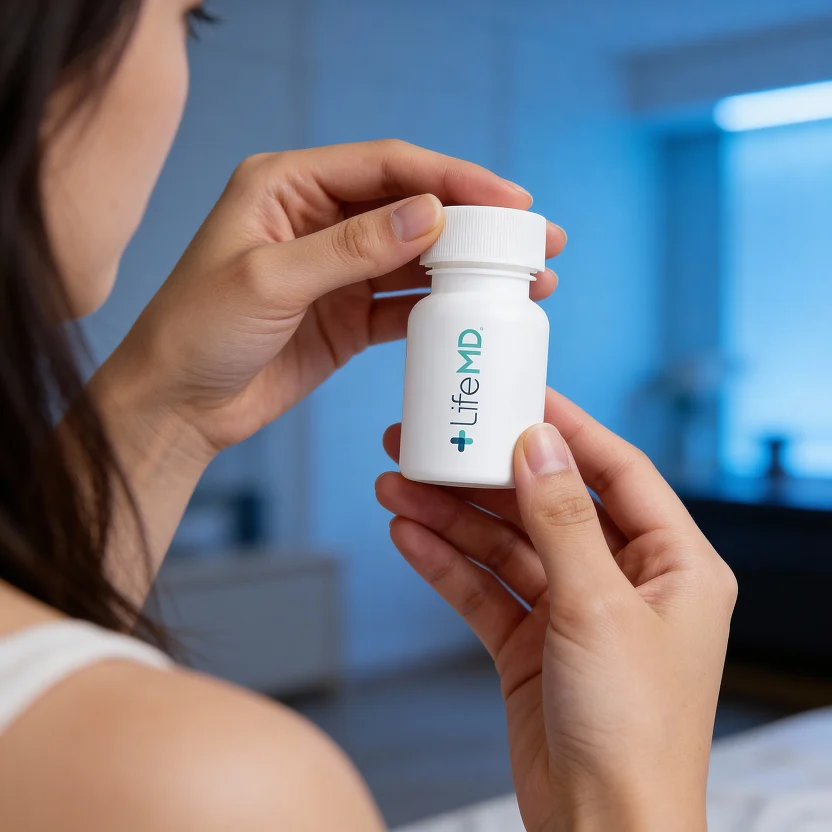
Licensed providers can send prescriptions to your local pharmacy within an hour, day or night.

step 1
Book a telehealth appointment from wherever you are. No insurance necessary.

step 2
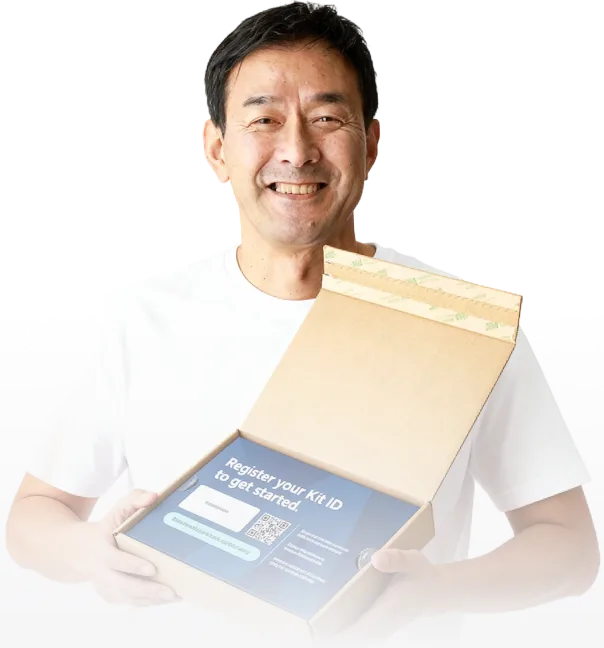
Meet with a board-certified doctor or nurse practitioner from your mobile device.
step 3
Get a prescription if needed (save up to 90%), and pick it up at your pharmacy.
Osteoporosis is a bone disease that occurs when bone density decreases and bones become weak, brittle, and more prone to fractures from even minor falls or stress. Many people confuse osteoporosis with osteoarthritis. Osteoporosis is a condition where bones lose density and become fragile, increasing fracture risk but typically not causing pain unless a break occurs, whereas osteoarthritis involves cartilage breakdown in joints, causing pain, stiffness, and inflammation in the affected joints.
Osteoporosis often has no symptoms until a fracture occurs, but warning signs can include loss of height over time, a stooped or hunched posture, back pain from fractured or collapsed vertebrae, and bones that break more easily than expected from minor falls or bumps. Getting the right treatment plan for osteoporosis can help strengthen bones, prevent fractures, slow bone loss, and maintain your independence and quality of life as you age.
With LifeMD, you can get immediate help and treatment guidance online without an in-office appointment. Prescription medications can effectively strengthen bones and reduce fracture risk when combined with proper nutrition and weight-bearing exercise.
Get Started Get Started
Total Cholesterol

37 mg/mL
In range

LDL (Low-Density Lipoprotein)
47 mg/mL
In range

Triglycerides
158 mg/mL
Above range


Alendronate is a bisphosphonate medication that works by slowing down bone breakdown, allowing bone-building cells to work more effectively and increase bone density over time. It helps prevent fractures in the spine, hip, and wrist by strengthening bones and reducing bone loss. It's typically taken once weekly on an empty stomach with a full glass of water, and you must remain upright for at least 30 minutes after taking it to prevent esophageal irritation. It's one of the most commonly prescribed and well-studied medications for osteoporosis prevention and treatment.
Risedronate is a bisphosphonate that works similarly to alendronate by inhibiting bone resorption and increasing bone mineral density. It's effective at reducing fracture risk in the spine and hip and is available in different dosing schedules – daily, weekly, or monthly – offering flexibility based on patient preference. Like other bisphosphonates, it must be taken on an empty stomach with water while remaining upright for at least 30 minutes afterward. It's well-tolerated and has been shown to significantly reduce fracture risk in postmenopausal women and others with osteoporosis.
Raloxifene is a selective estrogen receptor modulator (SERM) that works by mimicking estrogen's protective effects on bones without affecting breast or uterine tissue. It helps prevent bone loss and reduces the risk of spine fractures, though it's less effective for hip fractures than bisphosphonates. It's typically taken once daily and is particularly useful for postmenopausal women who want bone protection along with reduced breast cancer risk, as raloxifene has been shown to lower the risk of invasive breast cancer. It may cause hot flashes and carries a small increased risk of blood clots, so it's not suitable for everyone.
“Dr. Puopolo is a very knowledgeable doctor with vast experience in different medical fields. I feel I am in good hands.”
Verified Patient

“Great experience!! Never have done online telehealth before but for sure will again :)”
Verified Patient
“Dr. Culpepper was amazing. He explained things to me that I didn’t understand.”
Verified Patient
“Dr. Sehgal was amazing! Super helpful. She was answering my questions before I even asked. Very happy I picked her.”
Verified Patient
"The appointment went great. It was quick and easy, and the doctor was right on top of things!"
Verified Patient
Reviews shown are from verified LifeMD patients across various services. Photos are for illustrative purposes only.

Osteoporosis develops when bone breakdown outpaces bone formation, leading to decreased bone density and strength. Several factors contribute to this imbalance. Aging is a primary cause – bone density naturally peaks around age 30 and gradually declines, with more rapid loss occurring in women after menopause due to decreased estrogen levels. Hormonal changes, particularly low estrogen in women and low testosterone in men, significantly accelerate bone loss.
Inadequate calcium and vitamin D intake throughout life prevents optimal bone building and maintenance. Sedentary lifestyle and lack of weight-bearing exercise weaken bones since bones strengthen in response to physical stress. Smoking and excessive alcohol consumption interfere with bone health. Certain medications, especially long-term corticosteroid use, can cause bone loss.
Medical conditions like hyperthyroidism, celiac disease, inflammatory bowel disease, and kidney or liver disease affect bone metabolism. Being underweight or having a small frame provides less bone mass to draw from as aging occurs. Family history and genetics also play significant roles in determining bone density and fracture risk.
Yes, osteoporosis has a strong genetic component. If you have a parent or sibling with osteoporosis or a history of fractures, particularly hip fractures, your risk of developing osteoporosis is significantly higher. Genetics influence peak bone mass achieved in early adulthood, bone structure, and how quickly bone loss occurs with aging. Specific genes affect vitamin D metabolism, calcium absorption, and bone remodeling processes.
However, genetics aren't the only factor – lifestyle, nutrition, exercise, and hormonal factors also play crucial roles. Even with a family history, you can significantly reduce your risk through adequate calcium and vitamin D intake, regular weight-bearing exercise, avoiding smoking and excessive alcohol, and maintaining a healthy weight. Early screening and preventive measures are especially important if osteoporosis runs in your family.
Osteoporosis cannot be completely reversed, but bone density can be improved and bone loss can be slowed or stopped with proper treatment. While you can't fully restore bones to their original strength, medications like bisphosphonates, hormone therapy, or bone-building medications can increase bone density over time and significantly reduce fracture risk. Lifestyle interventions including adequate calcium and vitamin D intake, regular weight-bearing and resistance exercises, quitting smoking, and limiting alcohol also contribute to bone health improvements.
Treatment is most effective when started early, before significant bone loss has occurred. With consistent medication adherence and healthy lifestyle habits, many people see measurable improvements in bone density scans and substantially reduced fracture risk. The goal of osteoporosis treatment is to strengthen existing bone, prevent further loss, and reduce the likelihood of debilitating fractures that can significantly impact quality of life and independence.
Online osteoporosis treatments typically involve a virtual consultation with a licensed healthcare provider. During the consultation, you can discuss your symptoms or concerns, provide your medical history including previous bone density tests (DEXA scans) if available, explain your risk factors such as age, menopause status, family history, or previous fractures, describe your current calcium and vitamin D intake, and share what treatments or supplements you're already taking. Your provider will assess your osteoporosis risk and determine appropriate treatment options. You'll then receive a personalized treatment plan with medication recommendations and any necessary prescriptions.
Your healthcare provider may also recommend calcium and vitamin D supplementation, weight-bearing exercises, fall prevention strategies, and lifestyle modifications. However, osteoporosis management typically requires bone density testing and periodic monitoring that necessitates in-person care, so online consultations work best as a supplement to comprehensive care or for medication refills and ongoing management.
It's important to be open and honest during your consultation to help your healthcare provider assess your osteoporosis risk and treatment needs. Be sure to provide your doctor with detailed information, such as:
• Whether you've had bone density tests and what the results showed
• Any history of fractures, especially from minor falls or stress
• Family history of osteoporosis or hip fractures
• Menopausal status and age at menopause for women
• Current calcium and vitamin D intake through diet and supplements
• Exercise habits, smoking, and alcohol consumption
• Underlying health conditions, medications (especially corticosteroids), or any allergies
The more information you can provide, the better your doctor can assess your fracture risk, determine if you need treatment or preventive measures, and prescribe appropriate medications to strengthen your bones.
LifeMD offers online osteoporosis treatment guidance and can provide you with the prescriptions you need for bone health management. You can have these sent to your local pharmacy, where your medication will be prepared for pick-up.
Osteoporosis is particularly common in women during and after menopause, as declining estrogen levels – which normally protect bone density – lead to accelerated bone loss. Many women experience their most rapid bone density decline in the first five to 10 years after menopause. Through the Women’s Health Program, LifeMD provides comprehensive care for women navigating the menopause transition, addressing not only osteoporosis but also other menopause-related concerns like hot flashes, mood changes, and hormonal imbalances through a coordinated approach.
However, osteoporosis management typically requires baseline and follow-up bone density testing to monitor treatment effectiveness, so coordination with in-person care is often necessary.
When it comes to treating osteoporosis, improvements in bone density occur gradually over months to years. Bisphosphonates like alendronate or risedronate typically show measurable increases in bone mineral density after six to 12 months of consistent use, with continued improvement over two to three years. Maximum bone density gains usually occur within the first few years of treatment, after which the focus shifts to maintaining those gains and preventing further loss. Fracture risk reduction can begin within the first year of treatment, though continued therapy provides ongoing protection. Bone-building medications may work somewhat faster, showing improvements within six to 18 months. Lifestyle changes like calcium and vitamin D supplementation, weight-bearing exercise, and strength training contribute to bone health but show gradual effects over months to years.
Bone density is typically monitored every one to two years through DEXA scans to assess treatment effectiveness. Osteoporosis management is a long-term commitment requiring patience, consistent medication adherence, and healthy lifestyle habits to achieve and maintain stronger bones and reduced fracture risk.

Family Medicine
4.93 stars 170 reviews

Internal Medicine
4.98 stars 178 reviews

Internal Medicine
4.92 stars 261 reviews

Family Medicine
4.94 stars 178 reviews

Hormone Specialist
4.92 stars 163 reviews