Schedule
Book a telehealth appointment from wherever you are. No insurance necessary.

 Main Menu
Achieve your weight-loss goals with GLP-1 treatments like Wegovy® and Zepbound®, guided by licensed providers every step of the way.
Personalized care for women, with HRT and lifestyle support to ease menopause symptoms and restore balance.
Personalized care for men, with treatments for testosterone, sexual health, hair loss, and more.
Simple, supportive mental health care on your terms, including access to prescription medication when appropriate.
Care without the wait—connect 24/7 with licensed providers for same-day prescription refills and common concerns like colds, flu, rashes, and more.
Talk to a doctor anytime, anywhere — 24/7 urgent & primary care with a telehealth visit in under one hour.
Get your medication prescribed online and sent same-day to your local pharmacy for pickup.
Save time, money, and the hassle — no in-person visits or insurance required.


Prescription treatments are tailored to your specific condition, ensuring effective relief.

Urgent evaluation is crucial to identify your condition early and prevent complications.
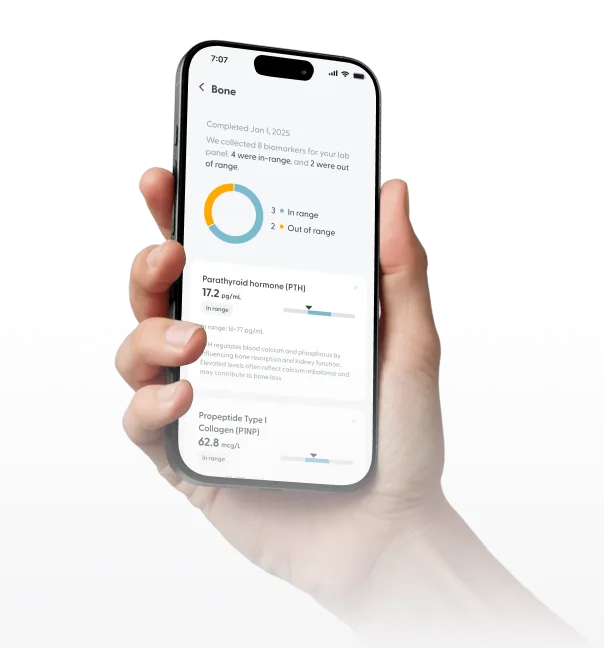
Accurate testing, if needed, can confirm your diagnosis and guide the best course of treatment

Licensed providers can send prescriptions to your local pharmacy within an hour, day or night.
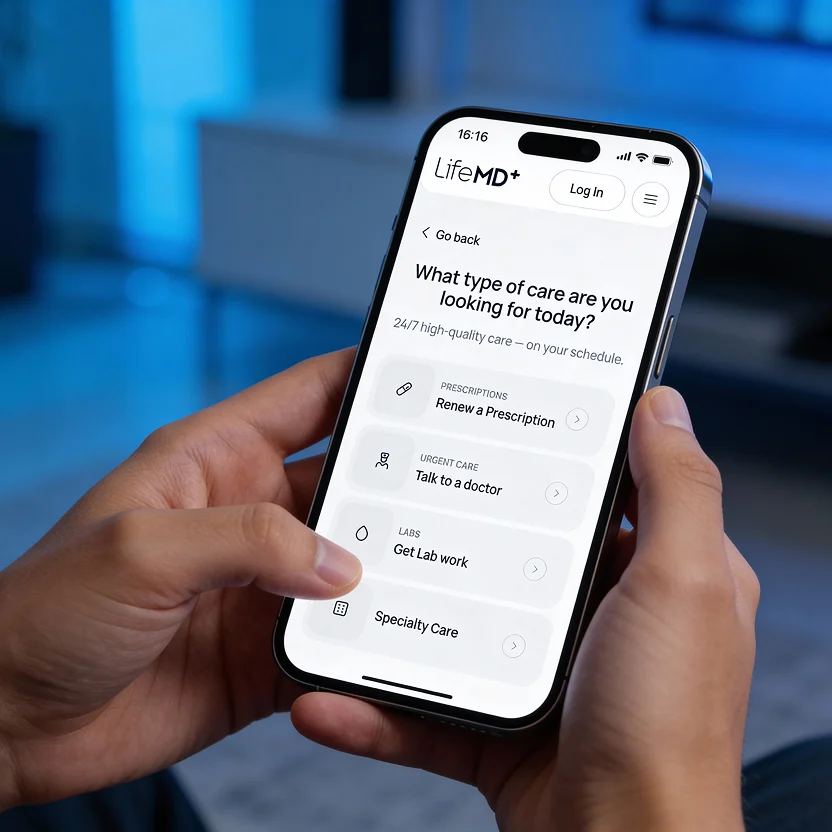
step 1
Book a telehealth appointment from wherever you are. No insurance necessary.

step 2
Meet with a board-certified doctor or nurse practitioner from your mobile device.
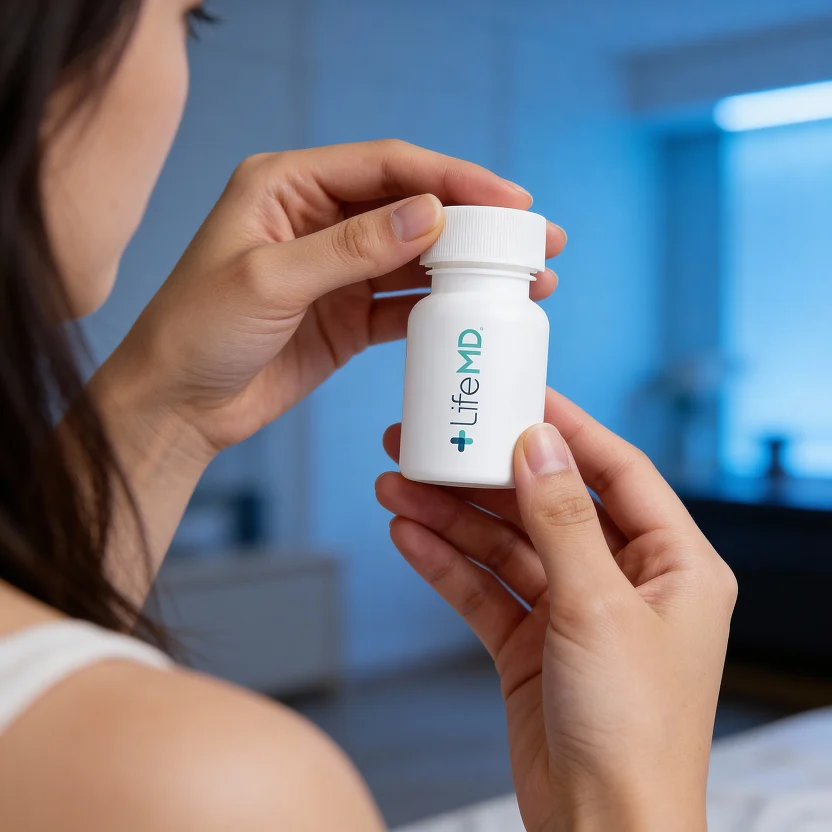
step 3
Get a prescription if needed (save up to 90%), and pick it up at your pharmacy.
Pneumonia is a lung infection that causes inflammation and fluid buildup in the air sacs of one or both lungs, making it difficult to breathe and causing illness ranging from mild to life-threatening. Many people confuse pneumonia with bronchitis or a severe cold. Pneumonia is an infection that affects the air sacs deep in the lungs, causing them to fill with fluid or pus and resulting in serious breathing difficulties, whereas bronchitis affects the airways (bronchial tubes) leading to the lungs and typically causes less severe respiratory symptoms.
Pneumonia can cause uncomfortable and concerning symptoms such as cough with phlegm (which may be green, yellow, or bloody), fever and chills, shortness of breath or rapid breathing, chest pain that worsens with breathing or coughing, fatigue, nausea, vomiting, and confusion (especially in older adults).
Getting the right treatment plan for pneumonia can help clear the infection, improve breathing, prevent complications, and speed recovery.
With LifeMD, you can get immediate help and treatment online without an in-office appointment for mild to moderate cases. Prescription medications can effectively treat pneumonia and help you recover more quickly when started early.
Get Started Get Started
Total Cholesterol

37 mg/mL
In range

LDL (Low-Density Lipoprotein)
47 mg/mL
In range

Triglycerides
158 mg/mL
Above range


Amoxicillin-clavulanate is a combination antibiotic that works by killing bacteria causing pneumonia while the clavulanate prevents bacteria from becoming resistant to the amoxicillin. It's effective against the most common bacteria that cause community-acquired pneumonia, including Streptococcus pneumoniae and Haemophilus influenzae. It's typically taken twice daily for five to 10 days depending on severity. Most people begin feeling better within 48 to 72 hours of starting treatment, though it's crucial to complete the full course even if symptoms improve.
Azithromycin is a macrolide antibiotic that works by stopping bacteria from producing proteins they need to survive and multiply, effectively treating bacterial pneumonia. It's particularly effective against atypical pneumonia caused by organisms like Mycoplasma pneumoniae and Chlamydia pneumoniae. One major advantage is its convenient dosing – typically taken once daily for just five days, with a common regimen being two tablets on day one followed by one tablet daily for four more days. It continues working in the body even after you've finished the course and is well-tolerated by most people.
Levofloxacin is a fluoroquinolone antibiotic that works by interfering with bacterial DNA replication, effectively killing a broad range of bacteria that cause pneumonia. It's often prescribed for more severe community-acquired pneumonia or when other antibiotics haven't worked, and it's effective against both typical and atypical pneumonia organisms. It's typically taken once daily for five to 14 days depending on severity. While highly effective, it's usually reserved for cases where other antibiotics aren't appropriate due to potential side effects, and it should be avoided in certain populations like children and pregnant women.
“Dr. Puopolo is a very knowledgeable doctor with vast experience in different medical fields. I feel I am in good hands.”
Verified Patient

“Great experience!! Never have done online telehealth before but for sure will again :)”
Verified Patient
“Dr. Culpepper was amazing. He explained things to me that I didn’t understand.”
Verified Patient
“Dr. Sehgal was amazing! Super helpful. She was answering my questions before I even asked. Very happy I picked her.”
Verified Patient
"The appointment went great. It was quick and easy, and the doctor was right on top of things!"
Verified Patient
Reviews shown are from verified LifeMD patients across various services. Photos are for illustrative purposes only.

Yes, pneumonia can be contagious, though it depends on the type. Bacterial and viral pneumonias caused by organisms spread through respiratory droplets when an infected person coughs or sneezes are contagious. You can catch these germs by breathing in infected droplets or touching contaminated surfaces and then touching your face. Viral pneumonia (like from flu or COVID-19) and bacterial pneumonia (like from Streptococcus pneumoniae) can spread from person to person.
However, not everyone exposed to these germs will develop pneumonia – it depends on their immune system strength and overall health. Walking pneumonia caused by Mycoplasma pneumoniae is also contagious and spreads easily in close quarters like schools and workplaces. Fungal pneumonia and aspiration pneumonia (from inhaling food or liquid) are generally not contagious. People with pneumonia are most contagious in the first few days of illness and when actively coughing. Good hygiene like handwashing, covering coughs, and staying home when sick helps prevent spreading pneumonia to others.
Pneumonia typically lasts one to three weeks with proper treatment, though full recovery can take longer depending on severity and individual health. With antibiotics for bacterial pneumonia, most people start feeling better within two to three three days and see significant improvement within a week. However, fatigue and a lingering cough can persist for several weeks even after other symptoms resolve. Mild pneumonia (walking pneumonia) may resolve within one to two weeks, while more severe cases can take three to six weeks or longer for complete recovery.
Viral pneumonia often takes longer to clear than bacterial pneumonia. Older adults, young children, people with weakened immune systems, or those with underlying health conditions like COPD or heart disease may experience longer recovery times, sometimes taking six to eight weeks or more. Even after feeling better, it's important to complete the full course of antibiotics and allow time for full recovery before resuming strenuous activities.
Walking pneumonia is a milder form of pneumonia that's less severe than typical pneumonia, allowing people to remain active and "walk around" despite being sick, rather than being bedridden. It's usually caused by the bacterium Mycoplasma pneumoniae, though viruses and other bacteria can also cause it. Symptoms are generally milder and develop gradually over several days, including persistent dry cough, low-grade fever, fatigue, sore throat, headache, and mild shortness of breath.
Unlike typical pneumonia, walking pneumonia rarely causes the high fevers, severe chest pain, or extreme difficulty breathing that require hospitalization. People often don't realize they have pneumonia and may continue working or attending school, which is why it spreads easily in close environments. Walking pneumonia is highly contagious and spreads through respiratory droplets. It's typically treated with antibiotics like azithromycin or doxycycline and usually resolves within one to two weeks with proper treatment, though the cough can linger for several weeks.
Online pneumonia treatments typically involve a virtual consultation with a licensed healthcare provider. During the consultation, you can discuss your symptoms including cough, fever, shortness of breath, and chest pain, describe when symptoms started and how severe they are, provide your medical history including any underlying conditions like asthma or COPD, explain your age and overall health status, and share what you've tried for symptom relief. Your provider will assess whether your symptoms are consistent with pneumonia and determine the severity. For mild to moderate pneumonia in otherwise healthy adults, prescriptions for antibiotics and supportive care medications can be provided.
You'll then receive a personalized treatment plan with medication recommendations and guidance on rest, hydration, and monitoring symptoms. However, severe pneumonia, pneumonia in high-risk individuals, or cases requiring imaging or oxygen monitoring need in-person evaluation and potentially hospitalization.
It's important to be open and honest during your consultation to help your healthcare provider determine the severity and appropriate treatment. Be sure to provide your doctor with detailed information, such as:
• Your symptoms, including cough type (dry or productive), fever level, and breathing difficulty
• When symptoms started and whether they're worsening
• Whether you have chest pain that worsens with breathing or coughing
• Risk factors like age over 65, smoking, underlying lung or heart conditions, weakened immune system
• Recent exposure to others who were sick
• Whether you've been able to eat, drink, and stay hydrated
• Underlying health conditions, current medications, or any allergies
The more information you can provide, the better your doctor can assess whether you have pneumonia, determine if it's safe to treat at home or if you need in-person evaluation, and prescribe appropriate antibiotics and supportive care.
LifeMD offers online pneumonia consultations and can provide prescriptions for mild to moderate cases in appropriate candidates. You can have these sent to your local pharmacy, where your medication will be prepared for pick-up.
However, if you have severe symptoms like significant difficulty breathing, high fever, confusion, or are in a high-risk group, you'll need in-person evaluation and possibly chest X-ray to confirm diagnosis and rule out complications.
When it comes to treating pneumonia, most people start feeling better within 48 to 72 hours of starting antibiotics for bacterial pneumonia. Fever typically breaks within two to three days, breathing becomes easier, and energy levels begin improving. However, complete recovery takes longer – cough and fatigue often persist for two to three weeks even after other symptoms improve. Walking pneumonia treated with antibiotics usually shows improvement within three to five days, with full recovery in one to two weeks. Viral pneumonia may take longer to resolve since antibiotics don't work against viruses, and recovery relies on supportive care and your immune system, typically taking one to three weeks.
If you don't notice improvement within two to three days of starting antibiotics, if symptoms worsen, or if you develop new symptoms like severe shortness of breath, chest pain, or confusion, contact your healthcare provider immediately or seek emergency care. Complete the full course of antibiotics even if you feel better to ensure the infection is fully cleared and prevent antibiotic resistance.

Family Medicine
4.93 stars 170 reviews

Internal Medicine
4.98 stars 178 reviews

Internal Medicine
4.92 stars 261 reviews

Family Medicine
4.94 stars 178 reviews

Hormone Specialist
4.92 stars 163 reviews