Schedule
Book a telehealth appointment from wherever you are. No insurance necessary.

 Main Menu
Achieve your weight-loss goals with GLP-1 treatments like Wegovy® and Zepbound®, guided by licensed providers every step of the way.
Personalized care for women, with HRT and lifestyle support to ease menopause symptoms and restore balance.
Personalized care for men, with treatments for testosterone, sexual health, hair loss, and more.
Simple, supportive mental health care on your terms, including access to prescription medication when appropriate.
Care without the wait—connect 24/7 with licensed providers for same-day prescription refills and common concerns like colds, flu, rashes, and more.
Talk to a doctor anytime, anywhere — 24/7 urgent & primary care with a telehealth visit in under one hour.
Get your medication prescribed online and sent same-day to your local pharmacy for pickup.
Save time, money, and the hassle — no in-person visits or insurance required.


Prescription treatments are tailored to your specific condition, ensuring effective relief.

Urgent evaluation is crucial to identify your condition early and prevent complications.
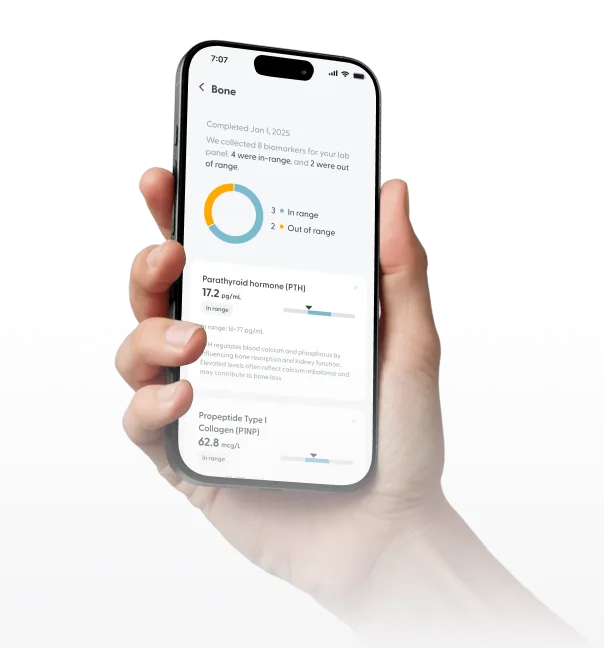
Accurate testing, if needed, can confirm your diagnosis and guide the best course of treatment

Licensed providers can send prescriptions to your local pharmacy within an hour, day or night.
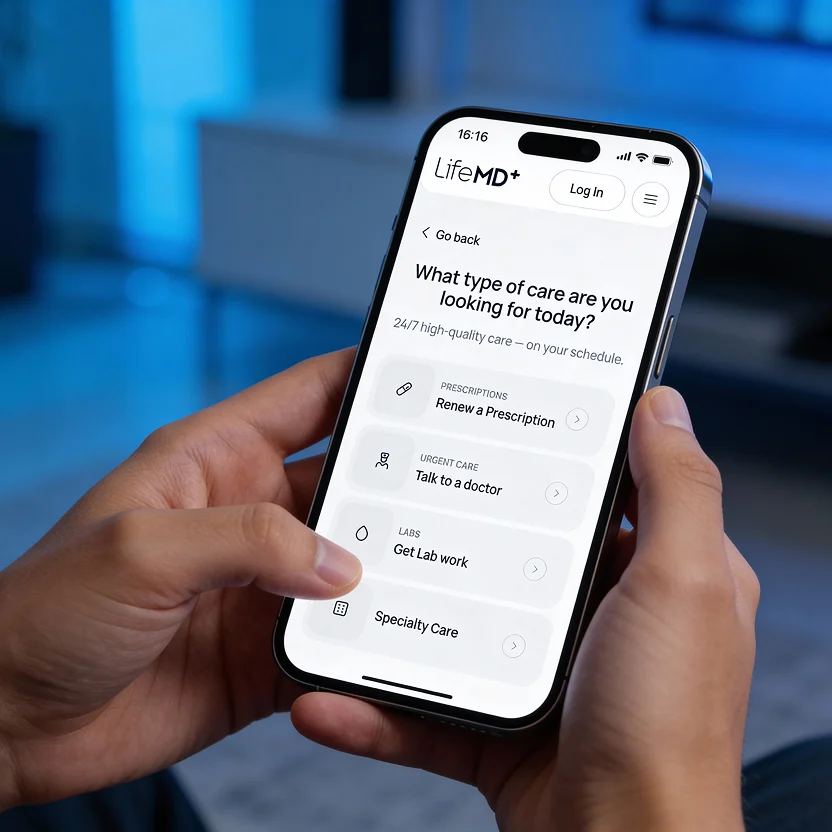
step 1
Book a telehealth appointment from wherever you are. No insurance necessary.

step 2
Meet with a board-certified doctor or nurse practitioner from your mobile device.
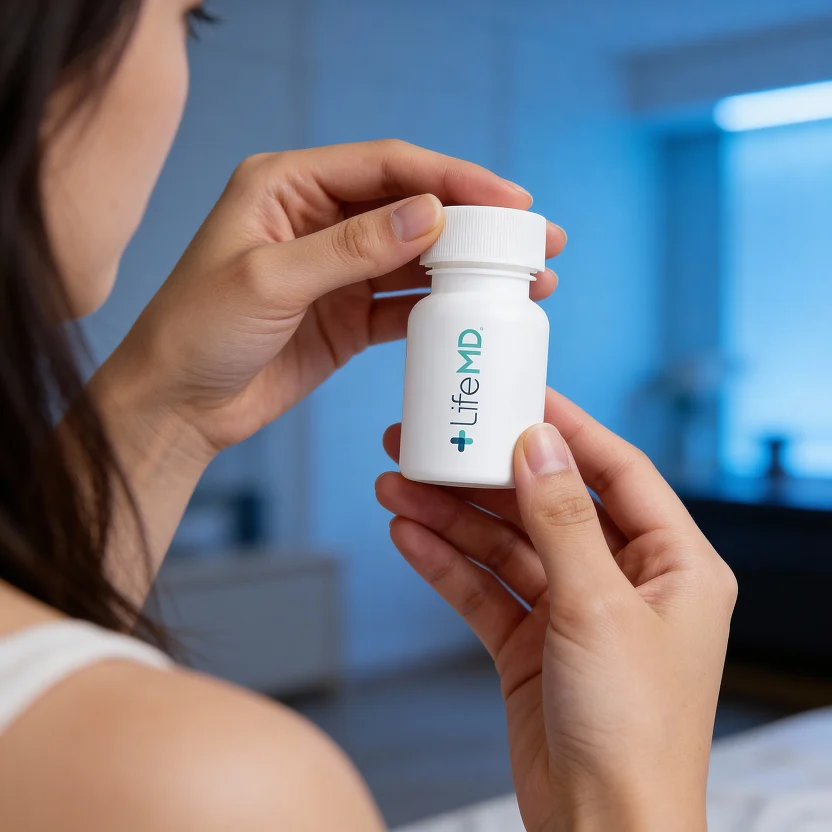
step 3
Get a prescription if needed (save up to 90%), and pick it up at your pharmacy.
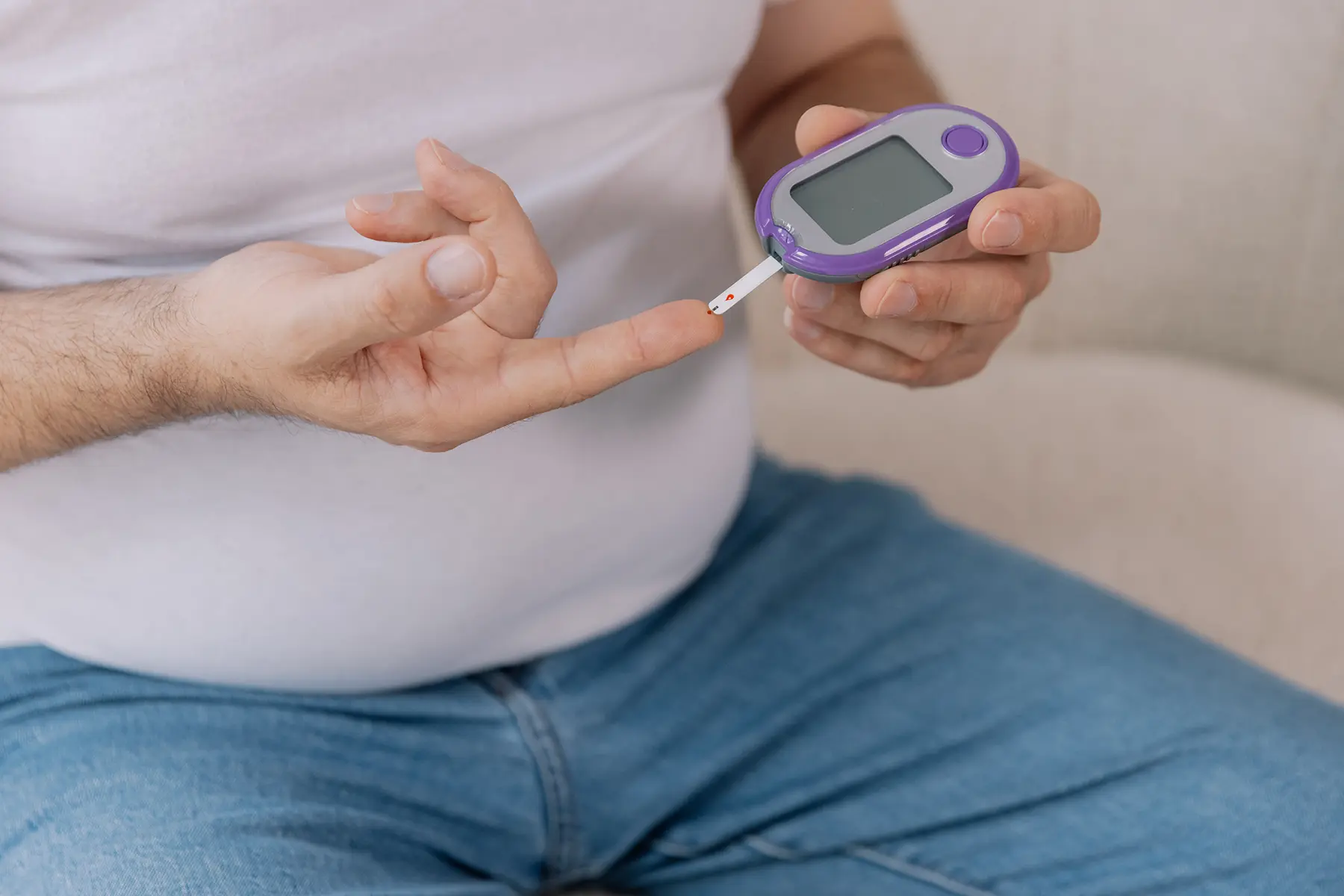
Prediabetes is a condition where blood sugar levels are higher than normal but not yet high enough to be diagnosed as type 2 diabetes, serving as a warning sign and opportunity to prevent full diabetes. Many people confuse prediabetes with type 2 diabetes or think slightly elevated blood sugar isn't concerning. Prediabetes means your blood sugar is elevated but hasn't reached diabetic levels yet, whereas type 2 diabetes involves consistently higher blood sugar that requires more intensive management and carries greater health risks.
Prediabetes often has no noticeable symptoms, though some people may experience increased thirst, frequent urination, fatigue, blurred vision, or darkened skin patches in body creases (acanthosis nigricans), particularly around the neck and armpits.
Getting the right treatment plan for prediabetes can help reverse the condition, prevent or delay progression to type 2 diabetes, and reduce the risk of heart disease, stroke, and other complications.
With LifeMD, you can get immediate help and treatment support online without an in-office appointment. Prescription medications combined with lifestyle changes can effectively reverse prediabetes and protect your long-term health.
Get Started Get Started
Total Cholesterol

37 mg/mL
In range

LDL (Low-Density Lipoprotein)
47 mg/mL
In range

Triglycerides
158 mg/mL
Above range


Metformin is a diabetes medication that works by improving how your body uses insulin and reducing the amount of sugar your liver produces, helping to lower blood sugar levels. While lifestyle changes are the first-line treatment for prediabetes, metformin is often prescribed for people at high risk of progressing to diabetes – particularly those who are significantly overweight, have a history of gestational diabetes, or have rapidly rising blood sugar despite lifestyle efforts. It's typically taken once or twice daily with meals and has been shown to reduce the risk of developing type 2 diabetes by about 31%. It may also promote modest weight loss, which further helps improve blood sugar control.
GLP-1 receptor agonists like semaglutide are medications that work by mimicking a hormone that regulates blood sugar, slows stomach emptying, and reduces appetite, leading to significant weight loss and improved blood sugar control. While primarily approved for type 2 diabetes and obesity, they're increasingly being used off-label for prediabetes in people who are significantly overweight and haven't had success with lifestyle changes alone. They're administered as weekly or daily injections and can result in substantial weight loss (10-15%+ of body weight), which dramatically reduces diabetes risk. These medications are more expensive than metformin and may not be covered by insurance for prediabetes specifically.
“Dr. Puopolo is a very knowledgeable doctor with vast experience in different medical fields. I feel I am in good hands.”
Verified Patient

“Great experience!! Never have done online telehealth before but for sure will again :)”
Verified Patient
“Dr. Culpepper was amazing. He explained things to me that I didn’t understand.”
Verified Patient
“Dr. Sehgal was amazing! Super helpful. She was answering my questions before I even asked. Very happy I picked her.”
Verified Patient
"The appointment went great. It was quick and easy, and the doctor was right on top of things!"
Verified Patient
Reviews shown are from verified LifeMD patients across various services. Photos are for illustrative purposes only.

Prediabetes can often be reversed through lifestyle changes focused on weight loss, diet, and exercise. Losing just five to seven percent of your body weight can significantly lower blood sugar and potentially return it to normal levels. Eat a balanced diet emphasizing whole foods, vegetables, lean proteins, and whole grains while limiting refined carbohydrates, added sugars, and processed foods. Engage in at least 150 minutes of moderate physical activity per week, which helps your body use insulin more effectively. Improve sleep quality, manage stress, quit smoking, and limit alcohol consumption.
For some people, medication like metformin alongside lifestyle changes helps accelerate improvement. Regular monitoring through blood tests every three to six months helps track progress. With sustained lifestyle changes, many people can reverse prediabetes and maintain normal blood sugar levels, though continued healthy habits are essential to prevent regression.
You typically find out you're prediabetic through blood tests, as most people don't experience noticeable symptoms. Three main tests diagnose prediabetes:
• Fasting plasma glucose showing 100-125 mg/dL
• A1C test showing 5.7-6.4%
• Oral glucose tolerance test showing 140-199 mg/dL
Risk factors that suggest you should get tested include being overweight, being physically inactive, having a family history of type 2 diabetes, being age 45 or older, having had gestational diabetes, having PCOS, or having high blood pressure. Some people notice subtle symptoms like increased thirst, frequent urination, fatigue, or darkened skin patches on the neck or armpits. If you have risk factors, ask your healthcare provider about screening even if you feel fine.
No, medication is not required to reverse prediabetes for most people. Lifestyle changes alone – weight loss, improved diet, and increased physical activity – are often more effective than medication and are considered first-line treatment. Studies show lifestyle modification can reduce diabetes risk by 58%. However, medication like metformin may be recommended if you're at very high risk, have made lifestyle efforts without adequate improvement, or have other conditions like PCOS. Even when medication is prescribed, lifestyle changes remain essential.
Online prediabetes treatments typically involve a virtual consultation with a licensed healthcare provider. During the consultation, you can discuss your blood test results, medical and family history, current diet and exercise habits, and challenges you face in making lifestyle changes. You'll then receive a personalized treatment plan including dietary recommendations, an exercise plan, weight loss strategies, and potentially a prescription for metformin if appropriate. Your healthcare provider will recommend regular blood sugar monitoring to track progress.
It's important to be open and honest during your consultation to help your healthcare provider develop the most effective treatment plan. Be sure to provide your doctor with detailed information, such as:
• Your recent blood test results (fasting glucose, A1C) if you have them
• Family history of diabetes or other metabolic conditions
• Your current diet, eating patterns, and physical activity level
• Whether you've tried to lose weight or make lifestyle changes before
• Other risk factors like PCOS, gestational diabetes history, or sleep apnea
• Underlying health conditions, current medications, or any allergies
The more information you can provide, the better your doctor can assess your diabetes risk, determine whether medication is appropriate, and create a personalized plan to help you reverse prediabetes.
LifeMD offers online prediabetes consultations and can provide prescriptions for medications like metformin when appropriate. You can have these sent to your local pharmacy, where your medication will be prepared for pick-up.
When it comes to reversing prediabetes, you may see blood sugar improvements within two to three months with intensive lifestyle changes, with A1C potentially returning to normal within three to six months if you achieve meaningful weight loss. If taking metformin, improvements often become apparent within two to three months. Regular monitoring every three to six months through blood tests helps track progress. The key is making sustainable changes you can maintain long-term, as reverting to old habits can cause blood sugar to rise again even after successful reversal.

Family Medicine
4.93 stars 170 reviews

Internal Medicine
4.98 stars 178 reviews

Internal Medicine
4.92 stars 261 reviews

Family Medicine
4.94 stars 178 reviews

Hormone Specialist
4.92 stars 163 reviews