Schedule
Book a telehealth appointment from wherever you are. No insurance necessary.

 Main Menu
Achieve your weight-loss goals with GLP-1 treatments like Wegovy® and Zepbound®, guided by licensed providers every step of the way.
Personalized care for women, with HRT and lifestyle support to ease menopause symptoms and restore balance.
Personalized care for men, with treatments for testosterone, sexual health, hair loss, and more.
Simple, supportive mental health care on your terms, including access to prescription medication when appropriate.
Care without the wait—connect 24/7 with licensed providers for same-day prescription refills and common concerns like colds, flu, rashes, and more.
Talk to a doctor anytime, anywhere — 24/7 urgent & primary care with a telehealth visit in under one hour.
Get your medication prescribed online and sent same-day to your local pharmacy for pickup.
Save time, money, and the hassle — no in-person visits or insurance required.


Prescription treatments are tailored to your specific condition, ensuring effective relief.

Urgent evaluation is crucial to identify your condition early and prevent complications.
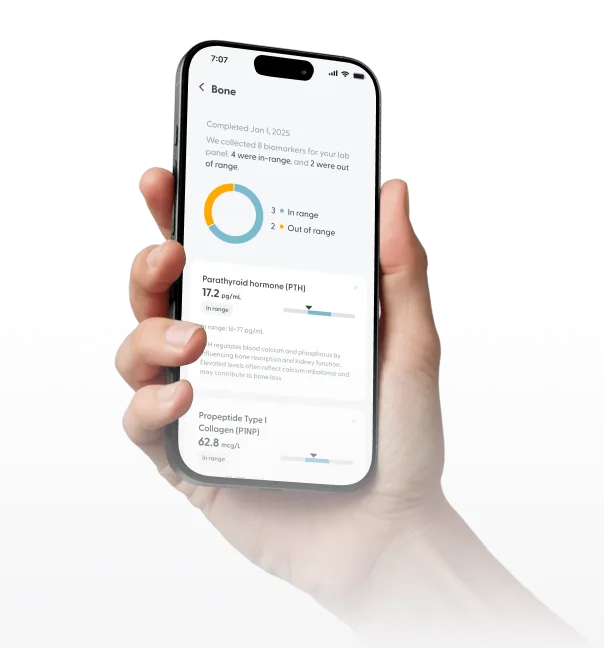
Accurate testing, if needed, can confirm your diagnosis and guide the best course of treatment
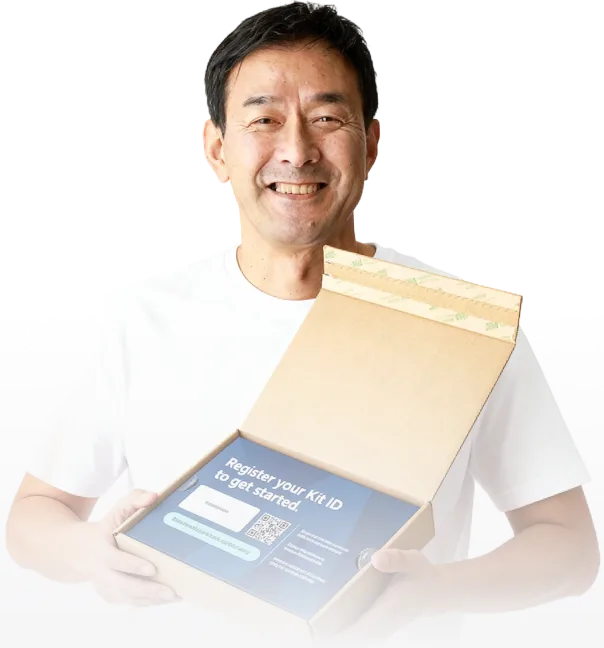
Licensed providers can send prescriptions to your local pharmacy within an hour, day or night.

step 1
Book a telehealth appointment from wherever you are. No insurance necessary.

step 2
Meet with a board-certified doctor or nurse practitioner from your mobile device.
step 3
Get a prescription if needed (save up to 90%), and pick it up at your pharmacy.
Rosacea is a chronic inflammatory skin condition that primarily affects the face, causing redness, visible blood vessels, and sometimes acne-like bumps, typically beginning after age 30. Many people confuse rosacea with acne, eczema, lupus, or general skin sensitivity. Rosacea causes persistent facial redness, flushing, visible blood vessels, and sometimes inflammatory bumps due to immune and vascular dysfunction, whereas acne is caused by clogged pores and bacteria without the persistent background redness and flushing that characterizes rosacea.
Rosacea can cause uncomfortable symptoms such as persistent facial redness (especially on the nose, cheeks, forehead, and chin), visible blood vessels on the face, acne-like bumps or pustules without blackheads, burning or stinging sensations, dry or sensitive skin, and in some cases, thickening skin on the nose or eye irritation.
Getting the right treatment plan for rosacea can help reduce redness and inflammation, prevent flare-ups, minimize visible blood vessels, improve skin texture, and boost confidence by controlling this visible condition.
With LifeMD, you can get immediate help and treatment online without an in-office appointment. Prescription medications can effectively control rosacea symptoms and help you achieve clearer, calmer-looking skin.
Get Started Get Started
Total Cholesterol

37 mg/mL
In range

LDL (Low-Density Lipoprotein)
47 mg/mL
In range

Triglycerides
158 mg/mL
Above range


Metronidazole is a topical antibiotic and anti-inflammatory gel that works by reducing inflammation and killing bacteria that may contribute to rosacea symptoms. It's applied once or twice daily to affected areas and is particularly effective for reducing redness, bumps, and pustules associated with rosacea. Most people notice improvement within three to four weeks, with continued benefits over two to three months of consistent use. It's well-tolerated and can be used long-term for maintenance.
Azelaic acid is a topical medication that works by reducing inflammation, killing bacteria, and normalizing skin cell turnover to improve rosacea symptoms. It's applied twice daily and is effective for reducing bumps, redness, and inflammation while also helping with hyperpigmentation. It typically shows improvement within four to eight weeks and can be particularly beneficial for people with both rosacea and post-inflammatory dark spots. Some mild stinging or tingling may occur initially but usually subsides with continued use.
Doxycycline is an oral antibiotic that works primarily through anti-inflammatory mechanisms rather than killing bacteria when used at low doses for rosacea. It helps reduce the inflammatory bumps, pustules, and redness associated with rosacea. It's typically taken once daily and provides improvement within two to four weeks, with maximum benefits after eight to 12 weeks. Low-dose doxycycline formulations minimize side effects and antibiotic resistance concerns while effectively controlling moderate to severe rosacea symptoms.
“Dr. Puopolo is a very knowledgeable doctor with vast experience in different medical fields. I feel I am in good hands.”
Verified Patient

“Great experience!! Never have done online telehealth before but for sure will again :)”
Verified Patient
“Dr. Culpepper was amazing. He explained things to me that I didn’t understand.”
Verified Patient
“Dr. Sehgal was amazing! Super helpful. She was answering my questions before I even asked. Very happy I picked her.”
Verified Patient
"The appointment went great. It was quick and easy, and the doctor was right on top of things!"
Verified Patient
Reviews shown are from verified LifeMD patients across various services. Photos are for illustrative purposes only.

The exact cause of rosacea isn't fully understood, but it's believed to involve a combination of genetic, immune system, and environmental factors. Abnormal blood vessel function causes facial flushing and visible vessels, while immune system dysfunction leads to inflammation. Microscopic skin mites called Demodex that normally live on skin may trigger inflammation in rosacea-prone individuals.
Genetic factors play a role, as rosacea often runs in families and is more common in people with fair skin and Celtic or Scandinavian ancestry. Common triggers that worsen rosacea include sun exposure, hot or cold weather, spicy foods, alcohol, hot beverages, stress, certain skincare products, and some medications.
Yes, rosacea commonly causes burning or stinging sensations, and some people also experience itching. Many people with rosacea describe their skin as feeling hot, tight, or tender, particularly during flare-ups. The burning sensation often occurs with flushing episodes or when applying skincare products. Itching is less common than burning but can occur, especially with papulopustular rosacea (the type with bumps). These sensations can be just as bothersome as the visible redness and contribute to skin sensitivity that makes finding suitable skincare products challenging.
No, rosacea cannot be permanently cured. It's a chronic condition that requires ongoing management. However, with proper treatment and trigger avoidance, symptoms can be controlled to the point where rosacea has minimal impact on your appearance and daily life. Many people achieve long periods of remission with clear or nearly clear skin while on treatment.
The key is consistent management – maintaining treatment even when skin looks good helps prevent flares. Identifying and avoiding personal triggers, using gentle skincare, protecting skin from sun exposure, and staying on prescribed medications helps keep rosacea well-controlled long-term.
Online rosacea treatments typically involve a virtual consultation with a licensed healthcare provider. During the consultation, you can discuss your symptoms, describe which type of redness or bumps you experience, share photos of your face during typical and flare-up states, identify triggers you've noticed, and explain previous treatments you've tried. You'll receive a personalized treatment plan which may include prescription topical or oral medications, skincare recommendations, and trigger avoidance strategies to help manage your rosacea effectively.
Be sure to provide your doctor with detailed information, such as:
• What rosacea symptoms you experience (redness, flushing, bumps, burning)
• When symptoms started and whether they're worsening
• Triggers that seem to cause flare-ups
• Your current skincare routine and products you use
• Previous rosacea treatments and their effectiveness
• Whether you have eye symptoms like irritation or dryness
• Underlying health conditions, current medications, or any allergies
The more information you provide, the better your doctor can determine your rosacea subtype and prescribe appropriate treatment.
LifeMD offers online rosacea consultations and can provide prescriptions for topical and oral medications. You can have these sent to your local pharmacy, where your medication will be prepared for pick-up.
When it comes to treating rosacea, topical medications like metronidazole or azelaic acid typically show improvement within three to four weeks, with continued benefits over two to three months of consistent use. Oral antibiotics like doxycycline may provide noticeable reduction in bumps and redness within two to four weeks, with maximum benefits after eight to 12 weeks. Medications that reduce flushing can work within hours to days when used as needed.
Rosacea management is typically long-term, and maintaining treatment even after improvement helps prevent flares. If you don't see improvement after six to eight weeks of consistent treatment, contact your healthcare provider to adjust your treatment plan.

Family Medicine
4.93 stars 170 reviews

Internal Medicine
4.98 stars 178 reviews

Internal Medicine
4.92 stars 261 reviews

Family Medicine
4.94 stars 178 reviews

Hormone Specialist
4.92 stars 163 reviews