Schedule
Book a telehealth appointment from wherever you are. No insurance necessary.

 Main Menu
Achieve your weight-loss goals with GLP-1 treatments like Wegovy® and Zepbound®, guided by licensed providers every step of the way.
Personalized care for women, with HRT and lifestyle support to ease menopause symptoms and restore balance.
Personalized care for men, with treatments for testosterone, sexual health, hair loss, and more.
Simple, supportive mental health care on your terms, including access to prescription medication when appropriate.
Care without the wait—connect 24/7 with licensed providers for same-day prescription refills and common concerns like colds, flu, rashes, and more.
Talk to a doctor anytime, anywhere — 24/7 urgent & primary care with a telehealth visit in under one hour.
Get your medication prescribed online and sent same-day to your local pharmacy for pickup.
Save time, money, and the hassle — no in-person visits or insurance required.


Prescription treatments are tailored to your specific condition, ensuring effective relief.

Urgent evaluation is crucial to identify your condition early and prevent complications.
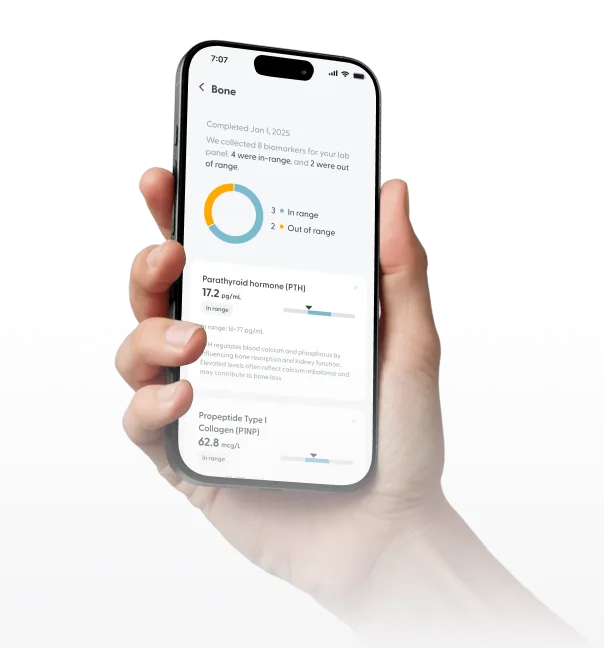
Accurate testing, if needed, can confirm your diagnosis and guide the best course of treatment
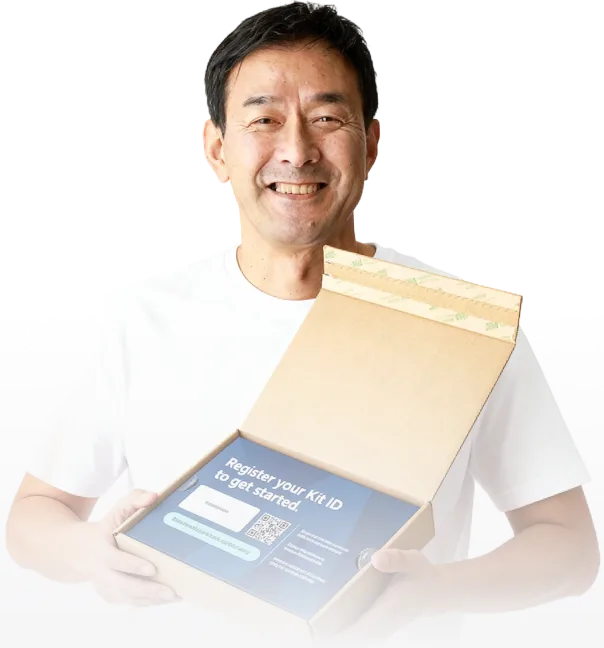
Licensed providers can send prescriptions to your local pharmacy within an hour, day or night.
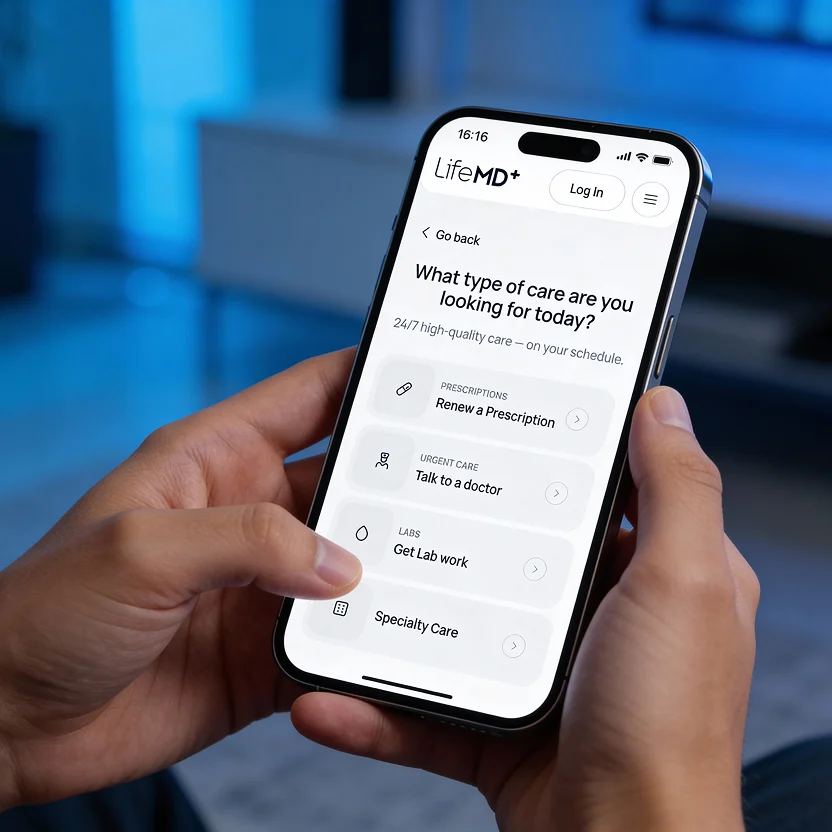
step 1
Book a telehealth appointment from wherever you are. No insurance necessary.

step 2
Meet with a board-certified doctor or nurse practitioner from your mobile device.
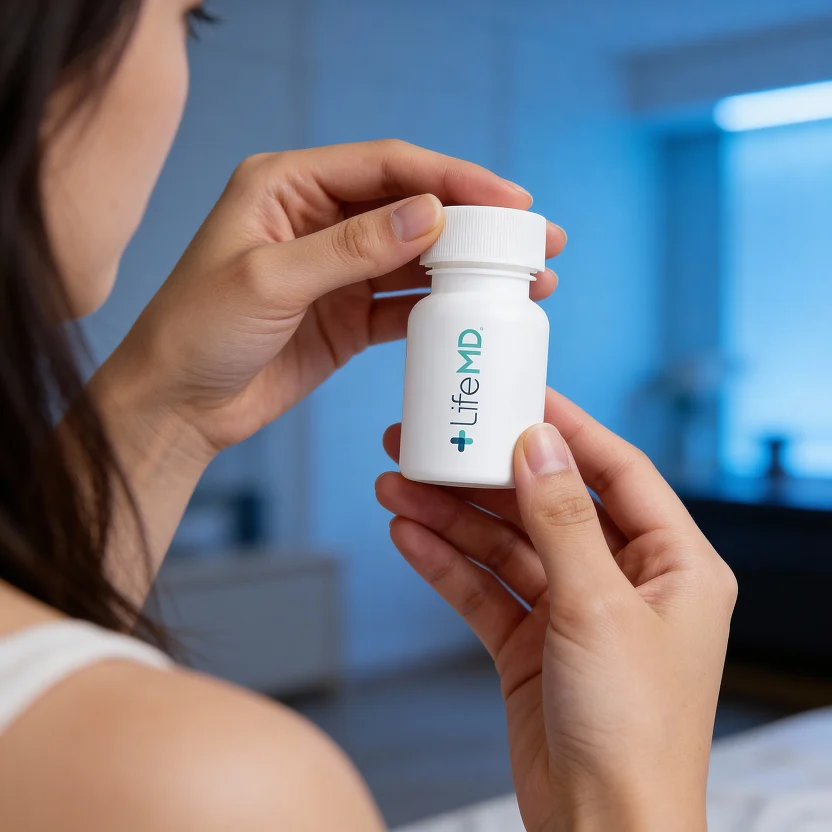
step 3
Get a prescription if needed (save up to 90%), and pick it up at your pharmacy.
Shingles, also known as herpes zoster, is a painful viral infection caused by the reactivation of the varicella-zoster virus – the same virus that causes chickenpox – resulting in a painful rash usually appearing on one side of the body. Many people confuse shingles with other skin conditions or think it's contagious like chickenpox. Shingles occurs when the dormant chickenpox virus reactivates in nerve tissue and causes a painful, blistering rash along a nerve pathway, whereas chickenpox is the initial infection that spreads throughout the body, and while shingles itself isn't directly contagious, the fluid from blisters can transmit the virus to people who've never had chickenpox.
Shingles can cause painful symptoms such as a painful, burning, or tingling sensation in a specific area before the rash appears, a red rash that develops into fluid-filled blisters on one side of the body or face, severe nerve pain that can be debilitating, sensitivity to touch, fever, headache, and fatigue.
Getting the right treatment plan for shingles can help reduce the severity and duration of the rash, relieve pain, speed healing, and prevent complications like postherpetic neuralgia (chronic nerve pain that persists after the rash heals).
With LifeMD, you can get immediate help and treatment online without an in-office appointment. Prescription antiviral medications are most effective when started within 72 hours of rash onset and can significantly reduce shingles severity and complications.
Get Started Get Started
Total Cholesterol

37 mg/mL
In range

LDL (Low-Density Lipoprotein)
47 mg/mL
In range

Triglycerides
158 mg/mL
Above range


Valacyclovir is an antiviral medication that works by stopping the varicella-zoster virus from multiplying, reducing the severity and duration of shingles symptoms. It's most effective when started within 72 hours of the rash appearing. It's typically taken three times daily for seven days and can significantly reduce pain, speed healing of blisters, and lower the risk of developing postherpetic neuralgia (chronic nerve pain). It's well-tolerated and one of the most commonly prescribed antivirals for shingles.
Acyclovir is an antiviral medication that works by inhibiting viral replication to reduce the severity and duration of shingles outbreaks. It's the original antiviral for herpes viruses and is effective when started early in the course of shingles, ideally within 72 hours of rash onset. It's typically taken five times daily for seven to 10 days. While it requires more frequent dosing than valacyclovir, it's equally effective at reducing symptoms and preventing complications when taken as prescribed.
Gabapentin is a nerve pain medication that works by calming overactive nerve signals to reduce the severe pain associated with shingles. It's often prescribed alongside antivirals to manage acute shingles pain and can help prevent or treat postherpetic neuralgia, the chronic nerve pain that can persist after shingles. It's typically started at a low dose and gradually increased, taken one to three times daily. It doesn't treat the virus itself but provides significant pain relief and improves quality of life during and after shingles episodes.
“Dr. Puopolo is a very knowledgeable doctor with vast experience in different medical fields. I feel I am in good hands.”
Verified Patient

“Great experience!! Never have done online telehealth before but for sure will again :)”
Verified Patient
“Dr. Culpepper was amazing. He explained things to me that I didn’t understand.”
Verified Patient
“Dr. Sehgal was amazing! Super helpful. She was answering my questions before I even asked. Very happy I picked her.”
Verified Patient
"The appointment went great. It was quick and easy, and the doctor was right on top of things!"
Verified Patient
Reviews shown are from verified LifeMD patients across various services. Photos are for illustrative purposes only.

Shingles itself is not directly contagious, meaning you can't catch shingles from someone who has it. However, the fluid in shingles blisters contains the varicella-zoster virus, which can be transmitted to people who have never had chickenpox or the chickenpox vaccine, causing them to develop chickenpox (not shingles). The virus spreads through direct contact with the fluid from blisters, not through coughing or sneezing. Once the blisters crust over, shingles is no longer contagious. People with shingles should avoid contact with pregnant women, newborns, people with weakened immune systems, and anyone who hasn't had chickenpox until all blisters have crusted over.
Shingles typically last three to five weeks from start to finish. The timeline usually progresses as follows: one to five days of pain, tingling, or burning before the rash appears, followed by three to five days of new blisters forming, then seven to 10 days for blisters to crust over, and finally one to two weeks for crusts to fall off and skin to heal. With antiviral treatment started within 72 hours, the duration can be shortened and severity reduced. Some people experience lingering pain called postherpetic neuralgia that can last weeks, months, or even longer after the rash heals.
Shingles appear as a painful red rash that develops into fluid-filled blisters, typically appearing in a stripe or band pattern on one side of the body or face, following the path of a nerve. The rash most commonly appears on the torso, wrapping around from the spine toward the front of the body, but can also affect the face, neck, or other areas. The blisters look similar to chickenpox but are grouped together in a specific area rather than scattered all over. They eventually break open, ooze, and form crusts. The distinctive one-sided, stripe-like pattern is a key characteristic that helps distinguish shingles from other rashes.
Online shingles treatments typically involve a virtual consultation with a licensed healthcare provider. During the consultation, you can discuss your symptoms including pain and rash location, describe when symptoms started (critical for determining treatment urgency), share photos of the rash, and provide your medical history and age. You'll receive a personalized treatment plan which may include antiviral medications to fight the virus, pain relievers, and guidance on care. However, shingles near the eye requires immediate in-person evaluation to prevent vision complications.
Be sure to provide your doctor with detailed information, such as:
• When symptoms first started and when the rash appeared
• Where the rash is located and whether it's on one or both sides of your body
• Pain severity and whether it started before the rash
• Whether the rash is near your eye or ear
• Whether you've had chickenpox or the chickenpox vaccine
• Your age and immune system status
• Underlying health conditions, current medications, or any allergies
The more information you provide, especially timing of symptom onset, the better your doctor can provide effective treatment.
LifeMD offers online shingles consultations and can provide prescriptions for antiviral medications and pain management. You can have these sent to your local pharmacy, where your medication will be prepared for pick-up. However, treatment is most effective when started within 72 hours of rash onset, so seeking care quickly is essential.
When it comes to treating shingles, antiviral medications work best when started within 72 hours of rash onset. Most people notice reduced pain and faster healing within two to three days of starting antivirals. New blisters typically stop forming within three to five days, and existing blisters begin crusting over within a week. Pain medications provide relief within hours to days. Complete healing usually takes three to five weeks total with treatment, compared to potentially longer without it. Early treatment significantly reduces the risk of postherpetic neuralgia. If pain worsens or persists beyond a few weeks after the rash heals, contact your healthcare provider as you may need additional treatment for nerve pain.

Family Medicine
4.93 stars 170 reviews

Internal Medicine
4.98 stars 178 reviews

Internal Medicine
4.92 stars 261 reviews

Family Medicine
4.94 stars 178 reviews

Hormone Specialist
4.92 stars 163 reviews