Schedule
Book a telehealth appointment from wherever you are. No insurance necessary.

 Main Menu
Achieve your weight-loss goals with GLP-1 treatments like Wegovy® and Zepbound®, guided by licensed providers every step of the way.
Personalized care for women, with HRT and lifestyle support to ease menopause symptoms and restore balance.
Personalized care for men, with treatments for testosterone, sexual health, hair loss, and more.
Simple, supportive mental health care on your terms, including access to prescription medication when appropriate.
Care without the wait—connect 24/7 with licensed providers for same-day prescription refills and common concerns like colds, flu, rashes, and more.
Talk to a doctor anytime, anywhere — 24/7 urgent & primary care with a telehealth visit in under one hour.
Get your medication prescribed online and sent same-day to your local pharmacy for pickup.
Save time, money, and the hassle — no in-person visits or insurance required.


Prescription treatments are tailored to your specific condition, ensuring effective relief.

Urgent evaluation is crucial to identify your condition early and prevent complications.
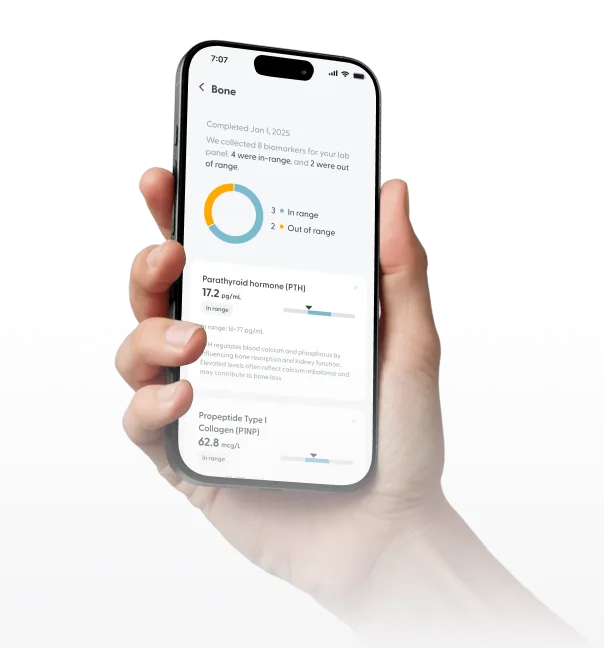
Accurate testing, if needed, can confirm your diagnosis and guide the best course of treatment

Licensed providers can send prescriptions to your local pharmacy within an hour, day or night.

step 1
Book a telehealth appointment from wherever you are. No insurance necessary.

step 2
Meet with a board-certified doctor or nurse practitioner from your mobile device.
step 3
Get a prescription if needed (save up to 90%), and pick it up at your pharmacy.
Thrush, also known as oral candidiasis, is a fungal infection caused by an overgrowth of Candida yeast in the mouth, resulting in white patches on the tongue, inner cheeks, and throat. Many people confuse thrush with other mouth conditions or think the white coating is just normal buildup. Thrush appears as creamy white patches that can be wiped away to reveal red, sometimes bleeding tissue underneath, caused by Candida yeast overgrowth, whereas conditions like leukoplakia produce white patches that can't be wiped off, and oral lichen planus creates lacy white patterns with different underlying causes.
Thrush can cause uncomfortable symptoms such as white or cream-colored patches on the tongue, inner cheeks, roof of mouth, gums, or throat, redness or soreness in affected areas, cottony feeling in the mouth, loss of taste or altered taste sensation, pain when eating or swallowing, and in severe cases, cracking at the corners of the mouth.
Getting the right treatment plan for thrush can help clear the infection, relieve discomfort, restore normal oral health, and address underlying factors that allowed the yeast overgrowth to occur.
With LifeMD, you can get immediate help and treatment online without an in-office appointment. Prescription antifungal medications can effectively clear thrush within one to two weeks.
Get Started Get Started
Total Cholesterol

37 mg/mL
In range

LDL (Low-Density Lipoprotein)
47 mg/mL
In range

Triglycerides
158 mg/mL
Above range


Nystatin is an antifungal medication that works by binding to fungal cell membranes and causing them to leak, killing the yeast causing thrush. It comes as an oral suspension (liquid) that's swished around the mouth and swallowed or spit out four times daily. It works locally in the mouth rather than being absorbed systemically, making it safe with minimal side effects. Treatment typically lasts seven to 14 days, with improvement usually visible within a few days. It's especially useful for mild to moderate thrush.
Fluconazole is an oral antifungal medication that works by stopping yeast from producing essential components of their cell membranes, effectively killing the Candida organisms throughout the body. It's taken as a pill, typically as a single dose or once daily for seven to 14 days depending on severity. It's absorbed systemically and is particularly effective for moderate to severe thrush, recurrent infections, or thrush that hasn't responded to topical treatments. Most people notice improvement within two to three days.
Clotrimazole troches are antifungal lozenges that work by damaging fungal cell membranes to kill the yeast causing thrush. The lozenges are dissolved slowly in the mouth five times daily, allowing the medication to coat all affected areas. They work locally in the mouth and are effective for mild to moderate thrush. Treatment typically lasts seven to 14 days, with symptoms improving within a few days. The lozenges should be allowed to dissolve completely rather than chewed or swallowed whole for best results.
“Dr. Puopolo is a very knowledgeable doctor with vast experience in different medical fields. I feel I am in good hands.”
Verified Patient

“Great experience!! Never have done online telehealth before but for sure will again :)”
Verified Patient
“Dr. Culpepper was amazing. He explained things to me that I didn’t understand.”
Verified Patient
“Dr. Sehgal was amazing! Super helpful. She was answering my questions before I even asked. Very happy I picked her.”
Verified Patient
"The appointment went great. It was quick and easy, and the doctor was right on top of things!"
Verified Patient
Reviews shown are from verified LifeMD patients across various services. Photos are for illustrative purposes only.

Thrush can be contagious in certain situations, though it's not always easily transmitted. The Candida yeast that causes thrush is normally present in everyone's mouth in small amounts, so thrush typically develops due to an imbalance rather than catching it from someone else. However, thrush can spread through kissing, sharing utensils or drinks, or oral contact. Babies with oral thrush can pass it to their mothers during breastfeeding, causing nipple thrush.
People with weakened immune systems are more susceptible to developing thrush after exposure. While thrush can be transmitted, most healthy individuals won't develop it even after contact because their immune systems and normal bacterial balance keep yeast in check. Good oral hygiene and avoiding sharing personal items helps prevent transmission.
Thrush typically lasts one to two weeks with proper antifungal treatment. Without treatment, thrush can persist for weeks or months and may worsen over time. With prescription antifungal medications, symptoms usually start improving within two to three days, with white patches clearing within one to two weeks of consistent treatment. Mild cases may resolve faster, while more severe or recurrent thrush may take the full two weeks or longer to completely clear.
After treatment ends, it's important to address underlying risk factors like diabetes control, inhaler technique, or denture hygiene to prevent recurrence. If thrush doesn't improve after a week of treatment or keeps coming back, medical evaluation is needed to identify underlying causes.
Yes, there are several types of thrush depending on appearance and location. Pseudomembranous candidiasis is the most common type, appearing as removable white patches on the tongue, cheeks, and throat. Erythematous candidiasis appears as red, flat patches without white coating, often on the tongue or palate, and is common in denture wearers. Angular cheilitis causes cracking, redness, and soreness at the corners of the mouth.
Chronic hyperplastic candidiasis produces white patches that cannot be wiped away and appears more raised or thickened. Median rhomboid glossitis causes a smooth, red patch in the center of the tongue. While oral thrush refers specifically to the mouth, Candida can also cause thrush in other areas like the throat (esophageal candidiasis) or genital areas (vaginal yeast infections), all caused by the same type of yeast.
Online thrush treatments typically involve a virtual consultation with a licensed healthcare provider. During the consultation, you can discuss your symptoms, describe the appearance and location of white patches, share photos of the inside of your mouth showing affected areas, explain when symptoms started and any pain or difficulty swallowing, and identify risk factors like recent antibiotic use, diabetes, inhaler use, or weakened immunity.
You'll receive a personalized treatment plan which may include prescription antifungal medications and recommendations for addressing underlying factors that contributed to thrush development.
Be sure to provide your doctor with detailed information, such as:
• What the white patches look like and where they're located
• When you first noticed symptoms and whether they're worsening
• Whether you have pain, altered taste, or difficulty swallowing
• Recent antibiotic use, inhaler use for asthma, or new medications
• Whether you have diabetes, HIV, cancer, or other conditions affecting immunity
• Whether you've had thrush before
• Underlying health conditions, current medications, or any allergies
The more information you provide, the better your doctor can confirm thrush and prescribe appropriate treatment.
LifeMD offers online thrush consultations and can provide prescriptions for antifungal medications including oral suspensions, troches, or systemic pills. You can have these sent to your local pharmacy, where your medication will be prepared for pick-up.
When it comes to treating thrush, most people notice symptom improvement within two to three days of starting antifungal treatment. The white patches begin to fade and mouth discomfort decreases. Complete clearing of all symptoms typically takes one to two weeks of consistent medication use. Nystatin suspension or clotrimazole troches used four to five times daily show gradual improvement over the first week. Fluconazole pills often provide faster relief, with noticeable improvement within two to three days.
It's important to complete the full course of treatment even if symptoms improve earlier to ensure the infection is completely cleared and prevent recurrence. If thrush doesn't improve after a week of treatment, worsens, or keeps coming back after treatment, contact your healthcare provider to evaluate for underlying conditions or resistant yeast strains.

Family Medicine
4.93 stars 170 reviews

Internal Medicine
4.98 stars 178 reviews

Internal Medicine
4.92 stars 261 reviews

Family Medicine
4.94 stars 178 reviews

Hormone Specialist
4.92 stars 163 reviews