Schedule
Book a telehealth appointment from wherever you are. No insurance necessary.

 Main Menu
Achieve your weight-loss goals with GLP-1 treatments like Wegovy® and Zepbound®, guided by licensed providers every step of the way.
Personalized care for women, with HRT and lifestyle support to ease menopause symptoms and restore balance.
Personalized care for men, with treatments for testosterone, sexual health, hair loss, and more.
Simple, supportive mental health care on your terms, including access to prescription medication when appropriate.
Care without the wait—connect 24/7 with licensed providers for same-day prescription refills and common concerns like colds, flu, rashes, and more.
Talk to a doctor anytime, anywhere — 24/7 urgent & primary care with a telehealth visit in under one hour.
Get your medication prescribed online and sent same-day to your local pharmacy for pickup.
Save time, money, and the hassle — no in-person visits or insurance required.


Prescription treatments are tailored to your specific condition, ensuring effective relief.

Urgent evaluation is crucial to identify your condition early and prevent complications.
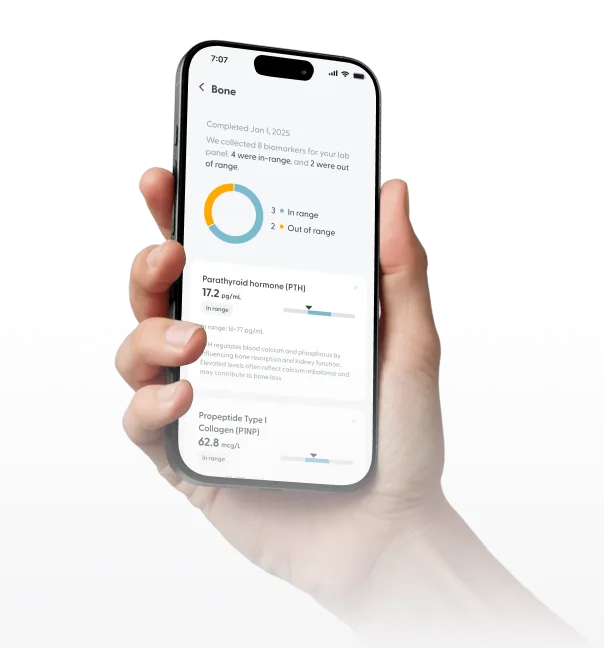
Accurate testing, if needed, can confirm your diagnosis and guide the best course of treatment

Licensed providers can send prescriptions to your local pharmacy within an hour, day or night.

step 1
Book a telehealth appointment from wherever you are. No insurance necessary.

step 2
Meet with a board-certified doctor or nurse practitioner from your mobile device.

step 3
Get a prescription if needed (save up to 90%), and pick it up at your pharmacy.
Vertigo is a specific type of dizziness characterized by a false sensation of spinning or movement – feeling like you or your surroundings are rotating when you're actually still – caused by problems with the inner ear or brain. Many people confuse vertigo with general dizziness or lightheadedness. Vertigo is a spinning sensation where you feel like the room is moving around you or you're tilting or rotating, typically caused by inner ear problems like BPPV or vestibular disorders, whereas general dizziness or lightheadedness involves feeling unsteady, faint, or off-balance without the spinning sensation and often has different causes like low blood pressure or dehydration.
Vertigo can cause distressing symptoms such as a spinning sensation that may be triggered by head movements, loss of balance or feeling unsteady, nausea and vomiting, sweating, abnormal eye movements (nystagmus), and in some cases, ringing in the ears or hearing loss if related to inner ear conditions.
Getting the right treatment plan for vertigo can help reduce the spinning sensation, relieve nausea, improve balance, identify and treat the underlying cause, and restore your ability to move comfortably without triggering episodes.
With LifeMD, you can get immediate help and treatment online without an in-office appointment. Prescription medications can effectively manage vertigo symptoms while addressing the underlying cause.
Get Started Get Started
Total Cholesterol

37 mg/mL
In range

LDL (Low-Density Lipoprotein)
47 mg/mL
In range

Triglycerides
158 mg/mL
Above range


Meclizine is an antihistamine that works by reducing activity in the inner ear's vestibular system and blocking signals to the brain that trigger vertigo and nausea. It's one of the most commonly prescribed medications for vertigo and is effective for various causes including BPPV, labyrinthitis, and Meniere's disease. It's typically taken one to three times daily and provides relief within 30 minutes to one hour. It can cause drowsiness, so it's often taken at bedtime or when vertigo episodes occur. It treats symptoms but doesn't cure the underlying condition.
Betahistine is a medication that works by improving blood flow in the inner ear and reducing pressure in the endolymphatic system, helping to reduce vertigo episodes. It's particularly effective for Meniere's disease and other inner ear disorders that cause recurrent vertigo. It's typically taken three times daily and is used for long-term management rather than acute symptom relief. It has fewer sedating effects than antihistamines and is well-tolerated for ongoing use to reduce the frequency and severity of vertigo attacks.
Promethazine is an antihistamine with strong anti-nausea properties that works by blocking histamine and other receptors in the brain that trigger nausea and vomiting associated with vertigo. It's particularly effective when vertigo is accompanied by severe nausea that interferes with eating or taking other medications. It's available as tablets, suppositories, or injections and is typically taken every four to six hours as needed. It provides significant relief from nausea and has some sedative effects that can help during acute vertigo episodes.
“Dr. Puopolo is a very knowledgeable doctor with vast experience in different medical fields. I feel I am in good hands.”
Verified Patient

“Great experience!! Never have done online telehealth before but for sure will again :)”
Verified Patient
“Dr. Culpepper was amazing. He explained things to me that I didn’t understand.”
Verified Patient
“Dr. Sehgal was amazing! Super helpful. She was answering my questions before I even asked. Very happy I picked her.”
Verified Patient
"The appointment went great. It was quick and easy, and the doctor was right on top of things!"
Verified Patient
Reviews shown are from verified LifeMD patients across various services. Photos are for illustrative purposes only.

Vertigo is most commonly caused by problems in the inner ear. Benign paroxysmal positional vertigo (BPPV) is the most frequent cause, occurring when tiny calcium crystals in the inner ear become dislodged and move into the ear canals, triggering spinning sensations with head movements. Vestibular neuritis or labyrinthitis involves inflammation of the inner ear, usually from a viral infection. Meniere's disease causes fluid buildup in the inner ear, leading to vertigo episodes along with hearing loss and ringing in the ears.
Migraines can cause vestibular symptoms including vertigo. Less common causes include head or neck injuries, stroke or transient ischemic attack (TIA), brain tumors, multiple sclerosis, or certain medications. Inner ear problems account for the vast majority of vertigo cases, while central nervous system causes are less common but more serious.
The duration of vertigo varies significantly depending on the underlying cause. BPPV episodes typically last less than one minute, triggered by specific head movements, though multiple episodes can occur throughout the day. Vestibular neuritis causes constant severe vertigo lasting days to weeks, gradually improving over time. Meniere's disease episodes usually last 20 minutes to several hours. Migraine-associated vertigo can last minutes to hours. With treatment, BPPV can often be resolved immediately with repositioning maneuvers like the Epley maneuver. Other causes may take days to weeks to improve with medication and vestibular rehabilitation. Chronic or recurring vertigo lasting months requires evaluation to identify and treat the underlying condition.
No, vertigo is not a disease itself – it's a symptom of an underlying condition affecting the inner ear or brain. Vertigo describes the spinning sensation you experience, while conditions like BPPV, vestibular neuritis, Meniere's disease, or migraines are the actual diseases or disorders causing that symptom. Think of it like fever – fever isn't a disease but a symptom indicating something else is wrong. Similarly, vertigo signals a problem with the vestibular system (balance system) in the inner ear or the parts of the brain that process balance information. Proper diagnosis identifies which specific condition is causing your vertigo so appropriate treatment can be provided.
Online vertigo treatments typically involve a virtual consultation with a licensed healthcare provider. During the consultation, you can discuss your symptoms including what the spinning feels like and when it occurs, describe triggers like head movements or position changes, explain how long episodes last and how frequently they happen, mention accompanying symptoms like nausea, hearing changes, or headaches, and share your medical history. You'll receive a personalized treatment plan which may include prescription medications for symptom relief, instructions for home repositioning maneuvers for BPPV, and guidance on vestibular exercises or when in-person evaluation is needed.
Be sure to provide your doctor with detailed information, such as:
• What triggers your vertigo and what it feels like
• How long episodes last and how often they occur
• Whether you have nausea, vomiting, hearing loss, or ringing in the ears
• What positions or movements make it worse or better
• When symptoms first started and whether they're worsening
• Previous vertigo episodes or ear problems
• Underlying health conditions, current medications, or any allergies
The more information you provide, the better your doctor can determine the likely cause of your vertigo and prescribe appropriate medications or recommend specific maneuvers or exercises.
LifeMD offers online vertigo consultations and can provide prescriptions for medications like meclizine, betahistine, or anti-nausea medications. You can have these sent to your local pharmacy, where your medication will be prepared for pick-up.
When it comes to treating vertigo, the timeline depends on the cause and treatment approach. Medications like meclizine or promethazine provide symptom relief within 30 minutes to one hour, reducing the spinning sensation and nausea. For BPPV treated with the Epley maneuver or similar repositioning techniques, many people experience immediate or near-immediate relief after the procedure, though some residual dizziness may persist for a few days. Betahistine for Meniere's disease takes longer – usually two to four weeks of consistent use to reduce the frequency and severity of vertigo attacks.
Vestibular neuritis improves gradually over days to weeks as inflammation resolves, with medications helping manage symptoms during recovery. Vestibular rehabilitation exercises show gradual improvement over several weeks to months as the brain adapts. If vertigo doesn't improve within a few days of treatment, worsens, or is accompanied by severe headache, vision changes, weakness, or difficulty speaking, seek immediate medical attention as these could indicate a more serious condition.

Family Medicine
4.93 stars 170 reviews

Internal Medicine
4.98 stars 178 reviews

Internal Medicine
4.92 stars 261 reviews

Family Medicine
4.94 stars 178 reviews

Hormone Specialist
4.92 stars 163 reviews