
Foods That Can Lower Your Blood Pressure Naturally
Nearly half of American adults have high blood pressure — and most of them don't have it under control. Hypertension is often called the "silent killer" because it rarely causes obvious symptoms, even as it quietly increases the risk of heart attack, stroke, and kidney disease.
Diet is one of the most evidence-backed ways to manage blood pressure — and one of the most underutilized. The right foods can meaningfully reduce blood pressure readings over time, sometimes enough to reduce or delay the need for medication. The wrong ones can quietly undermine even the best treatment plan.
This guide covers the best foods to lower blood pressure, how each one works, how much you actually need to eat to see results, which ones act fastest, and what to cut back on if hypertension is a concern.
How Food Affects Blood Pressure
Blood pressure is essentially the force your blood exerts against the walls of your arteries. When that force is consistently too high, it strains the heart and damages blood vessels over time. Several nutritional mechanisms influence this:
Sodium and potassium balance: Sodium causes the body to retain fluid, raising blood pressure; potassium counteracts this by helping the kidneys excrete sodium
Nitric oxide production: Certain foods trigger the release of nitric oxide, a compound that relaxes and widens blood vessels
Arterial flexibility: Stiff arteries require the heart to work harder; some nutrients help keep vessel walls supple
Inflammation: Chronic inflammation contributes to arterial damage; anti-inflammatory foods help protect vessel health over time
The Best Foods to Lower Blood Pressure
These are the most well-studied foods for managing hypertension. For each one, the evidence supports consistent, regular consumption — not a one-time dose.
Leafy greens
Spinach, kale, arugula, and Swiss chard are among the best foods for high blood pressure, thanks to their high potassium and dietary nitrate content. Potassium helps the kidneys filter out excess sodium, directly reducing fluid retention and blood pressure. Dietary nitrates, meanwhile, are converted by the body into nitric oxide, which relaxes blood vessel walls. Aim for one to two cups daily — raw in salads, blended into smoothies, or lightly sautéed. Effects build over weeks of consistent intake.
Beets and beet juice
Beets are one of the few foods that lower blood pressure quickly — with measurable effects appearing within hours of consumption. They're exceptionally rich in dietary nitrates, which the body converts to nitric oxide far more efficiently than most vegetables. Studies have shown that a single glass of beet juice can reduce systolic blood pressure by 4-5 mmHg within hours. One cup of beet juice or one medium cooked beet daily is a reasonable target. Consistent intake produces the most durable results.
Berries
Blueberries in particular have a strong evidence base for cardiovascular benefit. They're rich in flavonoids — plant compounds that improve the flexibility and function of artery walls, making it easier for blood to flow without resistance. A half to one cup daily, whether fresh, frozen, or blended, is enough to contribute to blood pressure reduction over several weeks. Strawberries and raspberries offer similar benefits at a lower cost.
Bananas
Bananas are one of the most accessible and affordable high-potassium foods available. A single medium banana contains around 422 mg of potassium – roughly 9% of the daily recommended intake. Eaten daily, bananas help maintain the sodium-potassium balance that keeps blood pressure in check. They're particularly useful for people whose diets skew high in sodium, as the potassium directly works to offset sodium's effects.
Fatty fish
Salmon, mackerel, sardines, and trout are rich in omega-3 fatty acids, which reduce systemic inflammation and help lower blood pressure by decreasing arterial resistance. Multiple studies support two to three servings per week as the threshold for meaningful cardiovascular benefit. Baked or grilled preparations are best – frying adds sodium and unhealthy fats that partially undercut the benefits.
Oats
Oats contain beta-glucan, a soluble fiber that reduces arterial stiffness and has a well-documented cholesterol-lowering effect — both relevant to blood pressure management. A daily serving of oatmeal (about half a cup dry) is enough to contribute to measurable reductions over weeks. Plain oats are significantly better than instant flavored varieties, which often contain added sugar and sodium.
Garlic
Garlic contains allicin, a compound that acts as a natural ACE inhibitor — the same mechanism used by a common class of prescription blood pressure medications. It relaxes blood vessels and reduces peripheral resistance. One to two fresh cloves daily, or a standardized aged garlic extract supplement, provides a clinically relevant dose. The effect is modest but real, and garlic is also one of the most effective flavor substitutes for salt in cooking.
Dark chocolate
Dark chocolate with at least 70% cocoa content contains flavanols that improve the function of the endothelium — the thin layer of cells lining blood vessels — helping them dilate more effectively. A small square (about 10-20 g) daily is the dose shown to produce benefit in research. Milk chocolate doesn't qualify; the flavanol content is too low and the sugar content too high to be beneficial.
Pistachios
Among nuts, pistachios have the strongest evidence for blood pressure reduction specifically. Studies suggest they reduce vascular resistance and improve the heart's overall efficiency. A small handful (about 28-30 g) daily is sufficient. Opt for unsalted varieties — salted nuts add sodium that directly works against the cardiovascular benefit.
Low-fat dairy
Low-fat milk, yogurt, and kefir provide calcium and bioactive peptides — compounds produced during dairy fermentation that have a mild but documented blood-pressure-lowering effect, likely by inhibiting ACE activity similar to garlic. Two to three servings daily fits within the DASH diet framework, which is the most studied dietary pattern for hypertension. Plain, unsweetened yogurt is preferable to flavored varieties that can contain significant added sugar.
Heart-Healthy Food Guide
Here's a summary of the top blood pressure-lowering foods, how they work, and how much to eat:
Food | Key Nutrient | How It Helps | How Much | Speed of Effect |
Leafy greens | Potassium, nitrates | Helps kidneys flush sodium; relaxes blood vessels | 1-2 cups daily | Weeks |
Beets / beet juice | Dietary nitrates | Converts to nitric oxide, dilating blood vessels | 1 cup juice or 1 medium beet daily | Hours to days |
Blueberries | Flavonoids | Improves arterial flexibility and reduces stiffness | ½–1 cup daily | Weeks |
Bananas | Potassium | Counteracts sodium's blood-pressure-raising effect | 1 per day | Weeks |
Fatty fish | Omega-3 fatty acids | Reduces inflammation and arterial resistance | 2-3 servings per week | Weeks |
Oats | Beta-glucan fiber | Reduces arterial stiffness and LDL cholesterol | 1 serving daily | Weeks |
Garlic | Allicin | Acts as a natural ACE inhibitor, relaxing blood vessels | 1-2 cloves or supplement daily | Weeks |
Dark chocolate (70%+) | Flavanols | Improves endothelial (vessel lining) function | 1 small square daily | Weeks |
Pistachios | Healthy fats, phytosterols | Reduces vascular resistance and peripheral tension | Small handful daily | Weeks |
Low-fat dairy | Calcium, bioactive peptides | Supports blood vessel tone and pressure regulation | 2-3 servings daily | Weeks |
Which Foods Lower Blood Pressure Fastest?
Most foods that help lower blood pressure work gradually — effects accumulate over weeks of consistent consumption rather than appearing after a single meal. But there are exceptions.
Beet juice and leafy greens are the standouts for speed. Their high dietary nitrate content triggers nitric oxide release quickly enough to produce measurable blood pressure reductions within hours. Some studies have shown a drop in systolic pressure of 4-10 mmHg within two to three hours of drinking beet juice — a genuinely meaningful change, comparable to the effect of some medications.
That said, a single serving isn't a solution. The evidence consistently points to regular, sustained intake as the only approach that produces lasting results. Think of fast-acting foods as a complement to a broader dietary strategy, not a standalone fix.
General Dietary Tips for Managing High Blood Pressure
Reduce sodium
Sodium reduction is the single most impactful dietary change for most people with hypertension. The American Heart Association recommends no more than 2,300mg per day — and ideally 1,500mg for those already managing high blood pressure. The challenge is that roughly 70% of sodium intake comes from processed and restaurant foods, not the salt shaker. Reading nutrition labels, cooking at home more often, and choosing low-sodium versions of pantry staples are the most practical starting points.
Stay hydrated
Dehydration causes blood vessels to constrict, which raises blood pressure. Consistently drinking six to eight glasses of water daily supports healthy blood volume and vessel function. Plain water is best — sugary drinks and excessive caffeine don't count toward meaningful hydration and bring their own blood pressure concerns.
Use spices instead of salt
Herbs and spices are one of the most underutilized tools for managing blood pressure through diet. Basil, oregano, rosemary, turmeric, cinnamon, and ginger add significant flavor without sodium — and several have mild anti-inflammatory or vasodilatory properties of their own. Building a well-stocked spice cabinet makes it dramatically easier to reduce salt without sacrificing the enjoyment of food.
Moderate alcohol
More than one to two alcoholic drinks per day reliably raises blood pressure over time. For people with hypertension, limiting alcohol is one of the more meaningful lifestyle adjustments available — with some research suggesting that reducing heavy drinking alone can lower systolic pressure by several points.
Foods that May Contribute to High Blood Pressure
What you don't eat matters just as much as what you do. These are the most common dietary contributors to elevated blood pressure:
Processed and packaged food: Deli meats, canned soups, frozen meals, and snack foods are the primary sources of excess sodium in most diets. A single can of soup can contain 800-1,200 mg of sodium — more than half the recommended daily limit.
Fast food: Restaurant meals, especially fast food, are notoriously high in sodium, saturated fat, and refined carbohydrates — all of which contribute to elevated blood pressure.
Caffeine and coffee: Caffeine causes a short-term spike in blood pressure that can be significant, particularly for people who are sensitive to it or who are newly diagnosed. The long-term relationship between coffee and blood pressure is more nuanced, but monitoring intake — especially if readings are borderline — is a reasonable precaution.
Sugary drinks and refined carbohydrates: Soda, juice, white bread, and pastries contribute to insulin resistance and weight gain, both of which independently elevate blood pressure over time.
Licorice root: A lesser-known but potent offender. Licorice root (found in some teas, supplements, and candies) contains glycyrrhizin, which can significantly raise blood pressure even in small, regular amounts. People managing hypertension should check supplement and herbal tea labels carefully.
When Diet Isn't Enough
Dietary changes can lower blood pressure meaningfully — research suggests a well-executed approach can reduce systolic pressure by 8-14 mmHg, which is clinically significant. But for many people, especially those with moderate to severe hypertension or underlying conditions, food alone won't bring readings into a safe range. Medication, weight management, regular exercise, stress reduction, and consistent monitoring all play important roles.
Working with a healthcare provider is the most reliable way to understand where your blood pressure stands, what's driving it, and what combination of interventions is right for your situation.
How LifeMD Can Help
LifeMD connects patients with licensed providers through a convenient telehealth platform — no waiting rooms. Whether you're looking to manage blood pressure through lifestyle changes, medication, or a combination of both, LifeMD's providers can help you build a plan that fits your life.
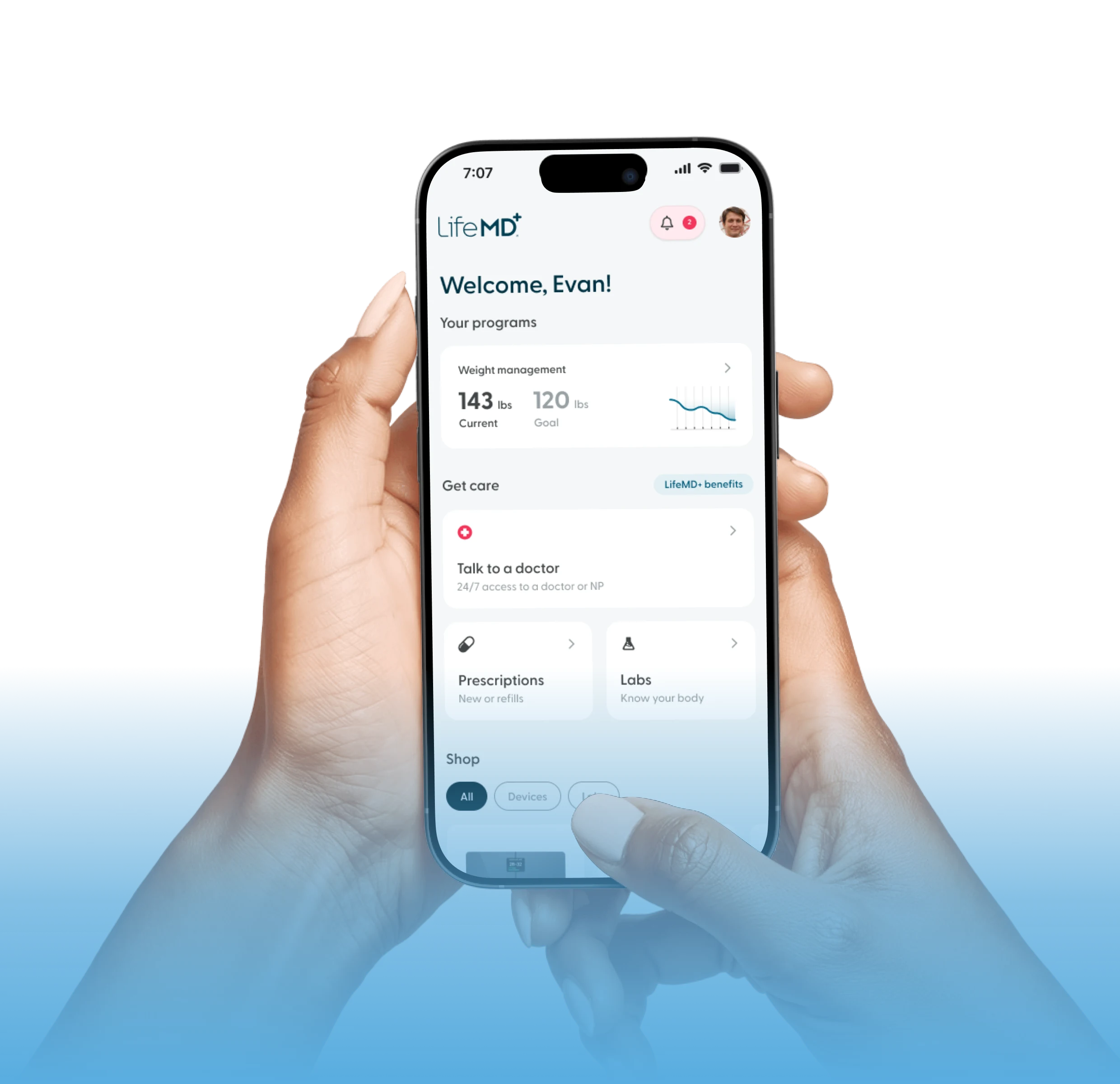
For even more flexibility, a LifeMD+ membership gives you 24/7 access to care, same-day prescription refills, exclusive wellness perks, and easy access to lab testing — all designed to make managing your health simple and stress-free.
Skip the waiting room. Join LifeMD and take control of your health today.