
How Virtual Care is Closing the Gap on Women's Healthcare

Quick Read
You've likely heard that menopause affects most women, but here's what's less visible: 60% of women seek care for menopause symptoms and only 25% actually receive any treatment. That gap exists because women's healthcare was historically built around male physiology, leaving providers undertrained and specialists geographically unreachable for many. Telehealth closes it by removing friction—appointments happen at home on your schedule, with providers who track your labs and adjust treatment over time, not one-off prescription services.
Each year on May 28th, health advocates, clinicians, and patients pause to recognize the International Day of Action for Women’s Health. The date was established in 1987 when advocates came together in Costa Rica to say that women deserve better healthcare. The initial focus was on maternal mortality and expanding from there to the full spectrum of women's health concerns.
Nearly four decades later, that's still the message.
In the U.S., women are navigating a healthcare system that was largely built around a male default. This proves true when we look at research funding, clinical trial enrollment, and in how long it takes conditions like endometriosis or menopause to get taken seriously. The good news is that telehealth is starting to change some of that, by making it easier for women to access care that actually meets them where they are.
A System Built on a Knowledge Gap
For most of the twentieth century, women were routinely excluded from clinical research. It wasn’t until 1993 that the U.S. government mandated the inclusion of women in federally funded clinical trials. The result of that decades-long exclusion is that many treatments, dosage guidelines, and diagnostic frameworks were developed based primarily on male physiology.
As recently as 2019, women made up only about 40% of clinical trial participants for diseases like cancer, cardiovascular disease, and psychiatric disorders, despite representing 51% of the U.S. population. Research on conditions that disproportionately affect women, including endometriosis, migraines, and autoimmune diseases, remains underfunded relative to the burden those conditions place on the population.
Women feel this gap every time they see a doctor. A 2024 McKinsey report found that women spend approximately 25% more time in poor health compared to men, partly because of diagnostic delays, insufficient tailored treatments, and decades of underinvestment in conditions that primarily affect women. A 2024 study found that women are 10% less likely than men to have their pain assessed when they arrive at a hospital, and on average wait about 30 minutes longer to be seen by a physician.
Endometriosis, which affects roughly one in 10 women globally, carries an average diagnostic delay of four to 12 years, a gap researchers attribute in large part to the normalization of women's pain and its frequent misattribution to other causes.
The Menopause Care Gap: A Case Study in Under-Treatment
Menopause care is where that gap gets even harder to ignore.
Menopause is a natural biological marker, typically occurring around age 51 in the United States, preceded by a perimenopause phase that can last two to eight years. During that transition, declining estrogen and progesterone levels can produce a wide range of symptoms: hot flashes, night sweats, sleep disruption, mood changes, vaginal dryness, cognitive shifts sometimes described as brain fog, and more. Approximately 75% of women experience hot flashes during the menopause transition.
But for most women, that care is hard to come by.
A 2023 study found that only 3.8% of women between the ages of 45 and 59 were using hormone therapy (the treatment most consistently shown to address symptoms like hot flashes), despite it being considered safe and appropriate for many healthy women in that age group. Meanwhile, 60% of women seek medical care for menopause-related symptoms, but only 25% receive any treatment at all. A separate study found that less than 14% of women with moderate or severe hot flashes received treatment during primary care visits.
Provider readiness is part of it. A 2019 study found that fewer than 7% of primary care providers felt adequately prepared to treat menopausal patients. Research found that 35% of women had to visit a provider four or more times before their symptoms were recognized as being related to hormonal changes.
Lack of access exacerbates the issue. More than a third of U.S. counties have no practicing OB/GYN, and in counties that do, appointment times are often too short or not specifically designed to address menopause. One study estimated that menopause symptoms cost employers approximately $1.8 billion annually in lost productivity and missed workdays, and concluded there was a strong, unmet need for improved treatment access.
The women most likely to receive a menopause diagnosis are those with the fewest structural barriers to care. Research shows that menopause diagnoses are significantly more common in less vulnerable populations. That gap has only widened over time.
Where Telehealth Fits in
The barriers women face in getting care aren't always clinical. Sometimes they're just logistical, geographical, or have to do with work schedules. The half-day it takes to see a specialist when you factor in travel, a waiting room, and childcare. For millions of women, that's not a minor inconvenience. It's the reason they don't go.
About 15% of Americans live in rural areas, and only 10% of physicians practice there. For a woman in a county with no OB/GYN nearby, telehealth is the difference between having access to care and not having it at all.
Virtual care removes several of those friction points at once. Appointments can happen from home, on a lunch break, or after the kids are asleep. For a woman who hasn't yet connected her symptoms to perimenopause, that kind of accessibility can mean getting answers early, instead of years into a transition she didn't have a name for yet.
And beyond access, virtual care done well creates continuity. Telehealth works best as an ongoing relationship, where your history is known, your labs are tracked, and your care plan evolves as you do. That matters everywhere in medicine, but especially in women's hormonal health, where symptoms shift over years and treatment often needs to be revisited and refined.
What Comprehensive Virtual Women's Health Actually Looks Like
There's a meaningful difference between a one-time prescription service and a program built around ongoing, provider-guided care. That difference matters most for conditions that evolve over years.
A virtual women's health program built for the long term starts with a clinical consultation and baseline lab work to assess hormone levels, then builds a personalized treatment plan with scheduled follow-ups to adjust it over time. Labs matter here because symptoms alone don't always tell the full story. Knowing a patient's specific hormone profile leads to better, more tailored care.
Hormone therapy isn't one-size-fits-all. It comes in multiple forms, with patches, gels, pills, creams, and the ring as some of the many delivery options. The right choice depends on a patient's health history, symptoms, preferences, and anatomy. A care team that knows you across multiple visits is simply better equipped to help you get that right.
For women who've spent years describing symptoms and leaving without answers, that combination of accessibility and clinical depth is long overdue.
How LifeMD Can Help
The International Day of Action for Women's Health was founded on the idea that women deserve better from health systems, researchers, insurers, and the technology platforms reshaping how care gets delivered.
Telehealth helps remove friction from a system where friction consistently means missed diagnoses, delayed treatment, and years of symptoms that never got addressed. For women who've experienced those delays, who live far from specialists, or who've never had a provider take their hormonal health seriously, virtual care programs built around their needs represent real progress.
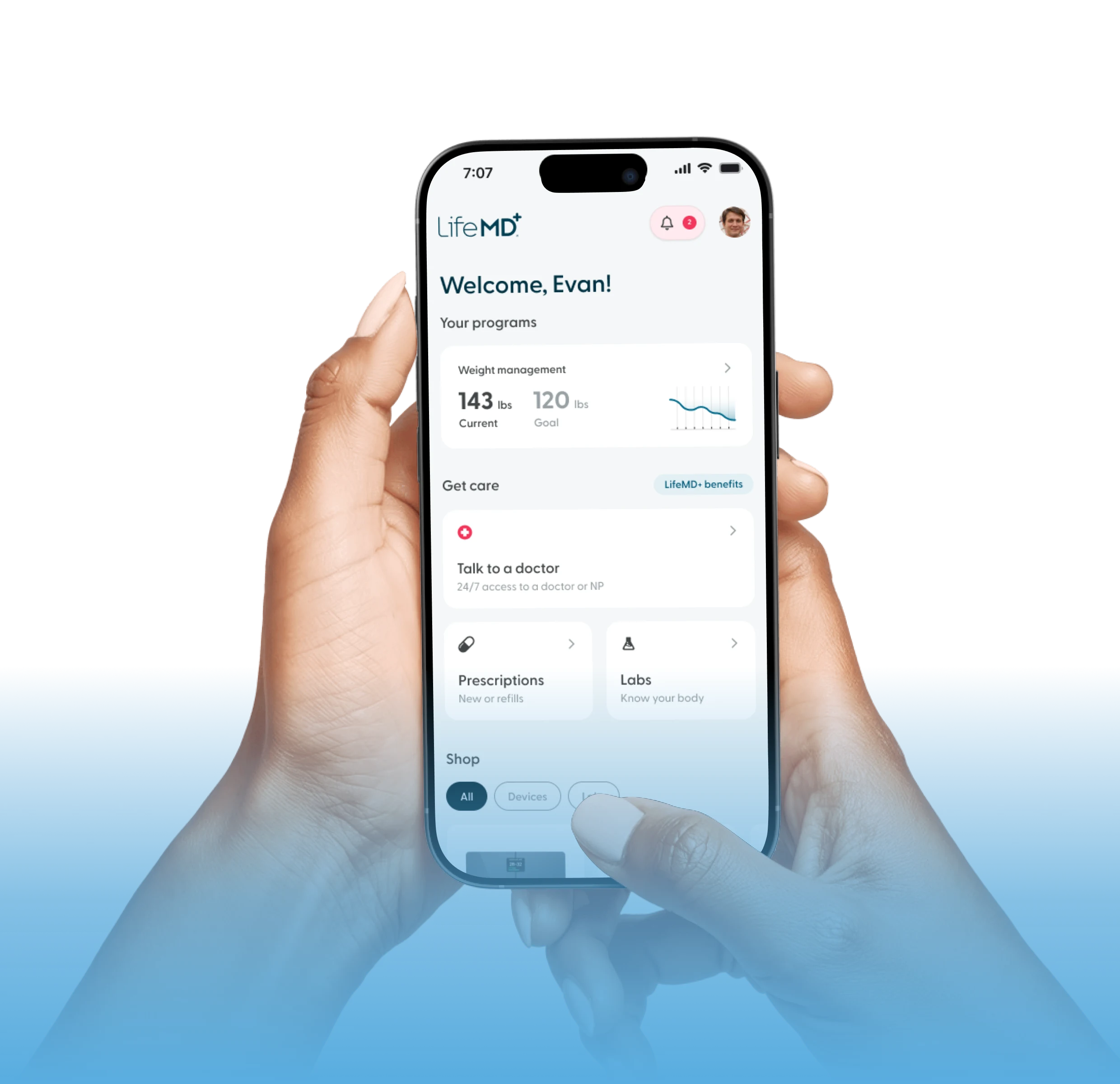
LifeMD's Women's Health Program offers access to knowledgeable, ongoing care that doesn’t depend on where you live or what your schedule allows. The program offers provider-guided HRT, lab testing, and continuous care across all 50 states, with flexible plans designed to fit different needs and budgets.
May 28th is a day for recognizing how far women's health advocacy has come, and for being honest about how far the system still needs to go. Progress looks like care that meets women where they are, takes their symptoms seriously, and stays with them through the process.
The information provided is not a substitute for professional medical advice and is for informational purposes only. Availability of specific treatments and offerings varies by state. Medications prescribed if clinically appropriate based on completion of required consultation.