
Online HRT: Can Telemedicine Services Prescribe HRT and Estrogen?
The rise of telemedicine has transformed access to hormone replacement therapy, making it more convenient for women experiencing menopausal symptoms to receive care. But with this convenience comes important questions about safety, legality, and quality of care. This guide answers the most common questions about telemedicine prescribing for hormone therapy.
Can Telehealth Providers Legally Prescribe Estrogen and HRT?
In short, yes – but the specific rules vary by state.
medical professionals can prescribe menopausal hormone therapy via telehealth if they meet two fundamental requirements:
Licensure: Providers must be licensed in the state where the patient is physically located at the time of the telehealth appointment.
Appropriate evaluation: The prescription must follow that state's telemedicine rules and standard-of-care requirements for establishing a patient-provider relationship.
Most FDA-approved estrogen medications used for menopause – such as estradiol tablets, patches, gels, and vaginal preparations – are not controlled substances under federal law. This means telemedicine providers can prescribe them following standard medical practice guidelines and state telemedicine regulations without the additional restrictions that apply to controlled medications.
However, state telehealth policies vary considerably. While many states allow virtual-only models for hormone prescribing, others have specific requirements:
Some states require an in-person physical examination before certain prescriptions can be written
Some states specifically allow telehealth to fulfill examination requirements
Most states consider online questionnaires alone inadequate for establishing the patient-provider relationship needed to prescribe
Feel like yourself again
A licensed provider can help you understand your symptoms and determine if hormone replacement therapy is the right next step.


What Telehealth Services Can Prescribe
Medication type | Federal classification | Telehealth prescribing | Key considerations |
Estrogen/progesterone for menopause | Not controlled substances | Generally yes, per state telemedicine rules | State requirements vary; some require physical exam (may allow telehealth exam) |
Vaginal estrogen | Not controlled substance | Generally yes, per state telemedicine rules | Minimal systemic absorption; still requires contraindication screening |
Testosterone for women | Schedule III controlled substance | Yes, under current DEA flexibilities through 2026 | No FDA-approved product for women; typically prescribed off-label at 1/10th male dose; requires audio-video consultation |
Prescribing Testosterone vs. Estrogen
Testosterone is classified as a Schedule III controlled substance under the federal Controlled Substances Act. This classification subjects it to additional regulatory requirements beyond those for non-controlled medications like estrogen and progesterone.
Current DEA telemedicine flexibilities
Through December 31, 2026, the Drug Enforcement Administration (DEA) and Department of Health and Human Services (HHS) have extended telemedicine flexibilities that allow providers to prescribe Schedule II-V controlled substances via telehealth without an initial in-person visit through December 31, 2026.
Under these temporary flexibilities, medical professionals may prescribe testosterone via telemedicine if:
The prescription is for a legitimate medical purpose
It's done via live audio-video telehealth (audio-only allowed in some circumstances)
It complies with applicable federal and state law
Includes appropriate documentation and prescription drug monitoring program (PDMP) checks
The provider is properly licensed and DEA-registered
It should be noted that there is no FDA-approved testosterone product for women in the United States. The FDA declined to approve a transdermal testosterone patch for women in 2004 due to lack of long-term safety data. Prescribing testosterone for women is typically off-label, using FDA-approved transdermal products formulated for men at approximately one-tenth the male dose to achieve physiologic female hormone levels.
When prescribed for women, testosterone should be:
Reserved for specific indications (primarily hypoactive sexual desire disorder in postmenopausal women)
Prescribed at physiologic doses using transdermal preparations
Accompanied by clear treatment goals and monitoring plans
Subject to informed consent about off-label use
For menopausal women prescribed estrogen and progesterone, these DEA controlled substance regulations don’t apply – only standard telemedicine prescribing rules for non-controlled medications.
What Should a Telehealth HRT Evaluation Include?
According to the North American Menopause Society, hormone therapy isn't one-size-fits-all. The right approach depends on your individual health profile, symptoms, and preferences — and it should be revisited regularly as your needs change. Here's what a thorough telemedicine evaluation should cover:
A complete medical history
Your provider will ask about your current symptoms as well as your menstrual history and whether you've reached menopause. They'll also review your past medical history, including any cardiovascular disease, blood clots, liver issues, or cancer, and ask about your family history, especially related to breast cancer or heart disease. Lifestyle factors like smoking, alcohol use, and exercise also play a role in determining whether HRT is right for you.
Screening for contraindications
Before prescribing HRT, your provider will check for any conditions that would make hormone therapy unsafe, such as a history of breast cancer, unexplained vaginal bleeding, active liver disease, blood clots, stroke, or heart attack.
Lab testing (when needed)
Contrary to what you might expect, routine hormone level testing isn't necessary to diagnose perimenopause or start HRT. In fact, the American College of Obstetricians and Gynecologists (ACOG) states that hormone levels fluctuate so much during the menopause transition that testing usually doesn't provide useful information. Most providers can diagnose perimenopause based on your age, symptoms, and menstrual changes alone.
That said, your provider may still order lab work if there's a clinical reason – for example, to rule out thyroid issues, monitor liver function, assess cardiovascular risk factors, or establish baseline values for future comparison.
Informed consent
Before you start treatment, your provider should walk you through the risks, benefits, and alternatives to HRT so you can make a fully informed decision. This includes discussing potential side effects and long-term considerations – it's not just a formality, it's a legal and ethical requirement that ensures you're in control of your care.
When Might in-Person Visits Be Necessary?
While many aspects of HRT management can be handled virtually, certain situations benefit from or require in-person evaluation:
Pelvic examination considerations: For women experiencing unexplained vaginal bleeding or other gynecologic concerns, an in-person pelvic examination may be necessary to rule out endometrial pathology or other conditions before initiating hormone therapy.
Physical examination needs: Blood pressure monitoring, breast examination, and assessment of cardiovascular risk factors may be conducted in-person, though many can be managed through home monitoring devices and local lab work.
Complex medical histories: Women with multiple comorbidities, history of breast cancer, or other complex medical situations may benefit from in-person consultation with a specialist before starting HRT.
State-specific requirements: Telehealth prescribing requirements vary by state. While many states don’t require an in-person examination, some do mandate it, and others specifically allow telehealth to fulfill examination requirements.
Follow-up care: While initial consultations can often be virtual, periodic reevaluation is recommended based on individual circumstances. The NAMS 2022 position statement emphasizes periodic reevaluation of the benefit-risk profile.
What Should You Look for in a Legitimate Telehealth HRT Provider?
Not all telemedicine platforms are created equal. Here's what distinguishes quality providers:
Proper Licensing and Credentialing
Providers must be licensed physicians (MD/DO), s (NP), or physician assistants (PA) with prescriptive authority
Providers must hold valid licenses in the state where you're located at the time of consultation
Multi-state practices should verify licensure in each state they serve
Comprehensive Medical History Assessment
Detailed intake questionnaires covering medical, surgical, family, and social history
Specific screening for contraindications to hormone therapy
Medication reconciliation and allergy review
Live video consultation (not just asynchronous forms) to establish patient-provider relationship
Evidence-Based Treatment Protocols
Follow current NAMS and ACOG guidelines for hormone therapy prescribing
Use FDA-approved medications rather than unregulated compounded preparations when appropriate
Individualized dosing and formulation selection (oral, transdermal, vaginal)
Clear explanation of risks, benefits, and alternatives
Informed consent documentation
Ongoing Monitoring and Follow-Up
Structured follow-up schedules to assess symptom response
Availability for questions and concerns between scheduled visits
Protocol for adjusting therapy based on response and tolerance
Regular reevaluation of continued need for therapy per NAMS guidelines
HIPAA Compliance and Data Security
Secure, encrypted video platform for consultations
Protected health information storage and transmission
Clear privacy policies
Transparent Pricing and Prescription Fulfillment
Upfront information about consultation fees, medication costs, and program fees
Clear explanation of insurance acceptance or cash-pay structure
Coordination with pharmacies (local or mail-order) for prescription fulfillment
For controlled substances like testosterone, compliance with DEA regulations for e-prescribing
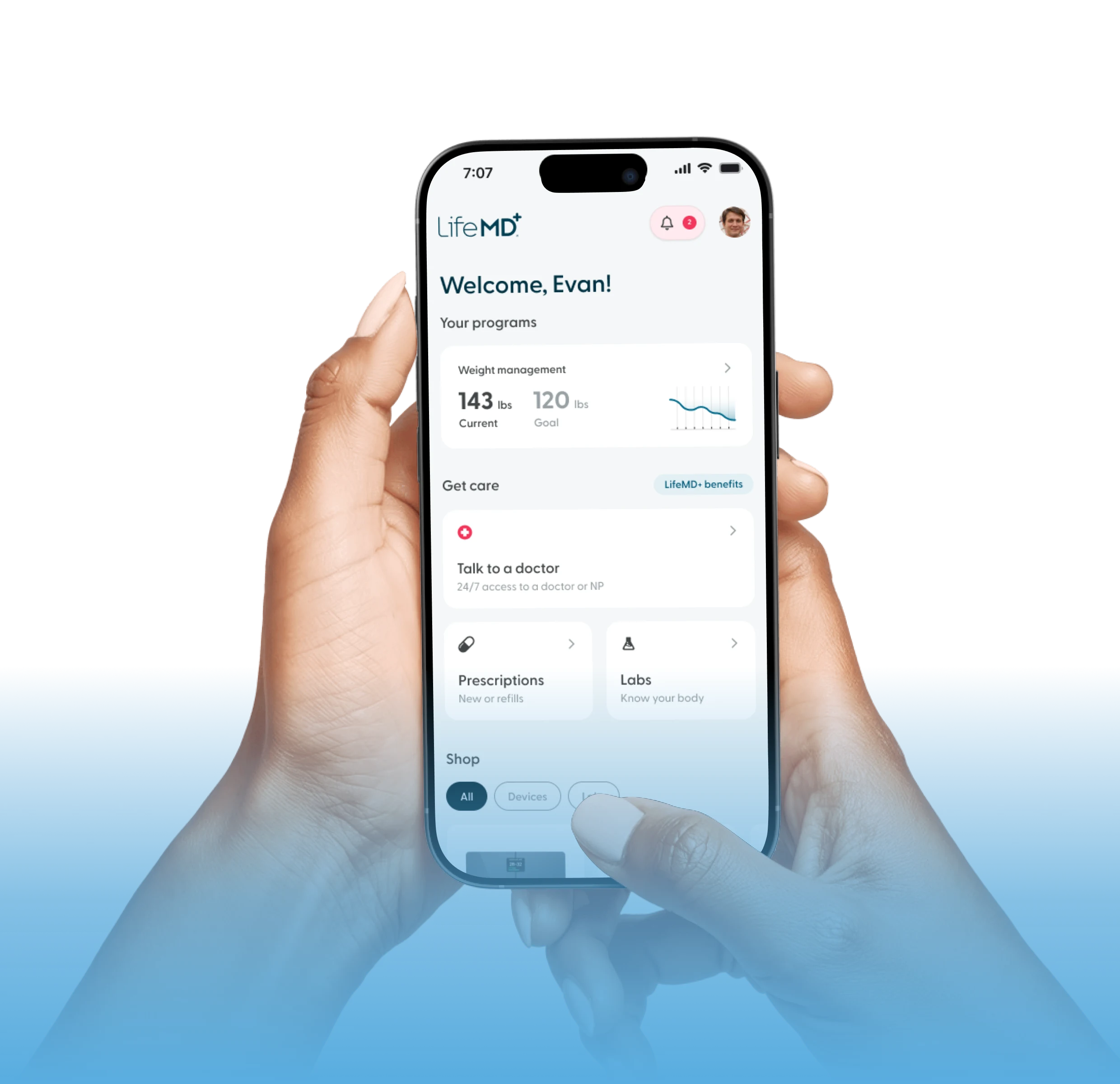
How LifeMD Approaches Telemedicine HRT Prescribing
LifeMD provides an example of how a quality telemedicine platform structures hormone therapy services:
Provider qualifications: LifeMD-affiliated providers include licensed physicians and s with expertise in menopausal hormone therapy and women's health.
Initial assessment: Patients complete a comprehensive health assessment and participate in a live video consultation with a licensed provider who reviews symptoms, medical history, and determines clinical appropriateness for hormone therapy.
FDA-approved medications: LifeMD prescribes bioidentical hormone preparations that are FDA-approved, including options like estradiol patches, gels, vaginal inserts, and micronized progesterone.
Personalized treatment plans: Based on symptoms, preferences, and medical history, providers work with patients to determine the most appropriate formulation and dosing.
Lab testing flexibility: While routine labs aren't required to start HRT per ACOG guidelines, LifeMD offers options for lab testing through local labs or at-home kits when clinically indicated. Providers may recommend testing every 2-3 months initially, then twice yearly once stable, based on individual patient needs.
Ongoing care: The program includes prescription management, refill coordination, regular virtual check-ins to monitor response and adjust therapy, and secure messaging for questions between appointments.
This represents one legitimate approach among several quality telemedicine models. Other reputable providers may structure their services differently while still adhering to evidence-based guidelines and appropriate regulations.
What a Legitimate Tele-HRT Visit Looks Like: Checklist
A properly conducted telemedicine HRT consultation should include:
Patient location confirmation and documentation – Required for licensure compliance
Provider licensure verification – Confirm provider is licensed in your state
Live audio-video interaction – Establishes patient-provider relationship
Comprehensive medical and family history review – Including all risk factors
Contraindication screening per ACOG guidelines – Breast cancer, cardiovascular disease, blood clots, liver disease, unexplained bleeding
Symptom assessment – Vasomotor symptoms, vaginal symptoms, impact on quality of life
Discussion of hormone testing – Explanation that routine testing not required per ACOG
Informed consent process – Risks, benefits, alternatives clearly explained and documented
Treatment personalization – Formulation, dose, and route based on individual factors per NAMS
Follow-up plan established – Schedule for reassessment and monitoring
PDMP check if prescribing controlled substances – Required for testosterone prescribing
Red Flags to Watch For
Be cautious of telemedicine providers who:
Prescribe HRT without any medical history review or live consultation
Make unrealistic promises about hormone therapy benefits
Aggressively market compounded "bioidentical" hormones as superior to FDA-approved options without evidence (ACOG recommends against routine use of compounded bioidentical hormones when FDA-approved formulations exist)
Don't screen for contraindications or discuss risks
Prescribe based solely on salivary hormone testing (not evidence-based for menopause management)
Lack clear follow-up protocols or monitoring plans
Aren't transparent about provider licensing or credentials
Operate in states where they don't hold proper licensure
Claim testosterone is FDA-approved for women (it is not)
Where Can I Learn More About Online Hormone Therapy?
The LifeMD Women’s Health Program offers personalized care to address your hormonal imbalances and find a treatment plan that truly works for you. That means tailoring the program to your medical history and symptoms – whether it’s adjusting your dose, picking the right treatment that fits your lifestyle, or using labs to fine-tune your care.
Make an appointment to learn more.