
Do You Need Menopausal Hormone Therapy During Perimenopause?

Perimenopause brings hormonal fluctuations that can range from barely noticeable to significantly disruptive. If you're experiencing symptoms and wondering whether menopausal hormone therapy (often called hormone replacement therapy or HRT) might help, you're asking the right questions.
Menopausal hormone therapy refers to estrogen therapy, with a progestogen if you have a uterus, used to treat symptoms related to the menopause transition. The answer isn't one-size-fits-all, but understanding your options can help you make an informed decision with your healthcare provider.
Understanding Perimenopause and its Impact
Perimenopause typically begins in your 40s, though some experience it earlier or later. This transitional phase lasts an average of four years but can extend up to eight years as your ovaries gradually produce less estrogen. During this time, hormone levels don't just decline – they fluctuate unpredictably, creating a cascade of potential symptoms.
Common perimenopause symptoms include irregular periods, hot flashes, night sweats, sleep disruptions, mood changes, vaginal dryness, and cognitive changes. According to research, vasomotor symptoms like hot flashes affect 50-82% of women experiencing natural menopause, with occurrence increasing during the transition to menopause and peaking approximately one year after the final menstrual period.
Contraception During Perimenopause
Many women in perimenopause assume they can no longer become pregnant, but pregnancy is still possible during this phase. While fertility declines – approximately 17% of women are sterile at age 40, increasing to 55% by age 45 – ovulation can still occur sporadically. Moreover, maternal health risks are significantly higher in women over 40, making contraception important if pregnancy is not desired.
If you need both pregnancy prevention and symptom management, your medical professional may suggest combined hormonal contraception or an intrauterine device rather than starting MHT immediately. Healthy, nonsmoking women without cardiovascular risk factors can continue combined hormonal contraception until age 50-55 years. These methods can also provide relief from heavy bleeding, hot flashes, and irregular cycles during perimenopause.
When Menopausal Hormone Replacement Therapy May Be Appropriate
The North American Menopause Society's 2022 position statement confirms that hormone therapy remains the most effective treatment for vasomotor symptoms and genitourinary syndrome of menopause. According to current guidelines, for women aged younger than 60 years or who are within 10 years of menopause onset and have no contraindications, the benefit-risk ratio is favorable for treatment of bothersome vasomotor symptoms and prevention of bone loss.
Primary symptoms | Treatment options |
Hot flashes and night sweats | Systemic estrogen (± progestogen if uterus present) OR FDA-approved nonhormonal medications (fezolinetant, paroxetine, elinzanetant) |
Vaginal dryness, painful sex, recurrent UTIs | Low-dose vaginal estrogen OR nonhormonal vaginal moisturizers/lubricants |
Early menopause (before age 45) or premature ovarian insufficiency | HRT generally recommended until average menopause age (approximately 52 years) |
Irregular/heavy perimenopausal bleeding + need for contraception | Combined hormonal contraception or hormonal IUD |
Who is a Good Candidate for Menopausal HRT?
Hormone replacement therapy tends to work best for people who are either under 60 years old or within 10 years of their final menstrual period. It's typically recommended for those experiencing moderate to severe symptoms that are significantly affecting quality of life. Good candidates also don't have major health contraindications and feel comfortable moving forward after discussing the benefits and risks with their provider.
Ultimately, HRT is a personal decision that should be made collaboratively with someone who understands your health history and goals.
Feel Like Yourself Again
Connect with a licensed menopause provider who can help you understand your symptoms and determine if hormone replacement therapy is the right next step.


Understanding Your Options: Systemic vs. Local Therapy
Menopausal hormone replacement therapy isn't a single treatment. It comes in different forms designed for different needs.
Systemic hormone therapy releases estrogen into the bloodstream and includes pills, skin patches, gels, and sprays. If you still have a uterus, you'll also need a progestogen to protect against endometrial cancer. Evidence suggests transdermal routes (patches, gels) may decrease risk of venous thromboembolism and stroke compared to oral forms.
Local estrogen therapy delivers small doses of estrogen directly to vaginal tissue through creams, tablets, or rings. For bothersome genitourinary syndrome of menopause symptoms not relieved with over-the-counter therapies in women without indications for systemic hormone therapy, low-dose vaginal estrogen therapy is recommended. Importantly, low-dose vaginal estrogen has minimal systemic absorption and different safety considerations than systemic therapy.
Who Should Avoid HRT?
Systemic HRT is typically not recommended if you have ever had:
Breast cancer or other hormone-sensitive cancers
Unexplained vaginal bleeding
History of blood clots (deep vein thrombosis or pulmonary embolism)
History of stroke or heart attack
Active liver disease
Known or suspected pregnancy
Women who initiate hormone therapy more than 10 years from menopause onset or who are aged older than 60 years face a less favorable benefit-risk ratio due to greater absolute risks of coronary heart disease, stroke, venous thromboembolism, and dementia.
Conditions requiring careful individualized evaluation include existing cardiovascular disease, uncontrolled hypertension, elevated triglycerides, and certain clotting disorders. If you have any of these conditions, your healthcare provider may recommend starting with nonhormonal treatments or using transdermal preparations at the lowest effective dose.
FDA-Approved Nonhormonal Alternatives
If HRT isn't right for you or you prefer nonhormonal options, several evidence-based alternatives exist:
For hot flashes and night sweats:
Fezolinetant (Veozah) – 45 mg daily: A non-hormonal medication approved by the FDA in 2023 that works by targeting specific receptors in the brain involved in regulating body temperature. Clinical trials show it significantly reduces the frequency and severity of hot flashes and night sweats.
Elinzanetant: A non-hormonal medication currently in clinical trials that works similarly to Veozah by targeting neurokinin receptors in the brain to help regulate body temperature. The FDA approved elinzanetant on October 24, 2025, as Lynkuet, 60mg capsules. It became available in the US in November 2025.
Paroxetine (Brisdelle) – 7.5 mg daily: The first FDA-approved non-hormonal treatment for hot flashes and night sweats. It's a low-dose antidepressant (SSRI) that has been shown to reduce symptoms effectively for up to two years.
Other SSRIs/SNRIs and gabapentin: Used off-label, these medications provide mild-to-moderate improvement in vasomotor symptoms.
Cognitive behavioral therapy and clinical hypnosis: Evidence-based behavioral therapies that can reduce frequency and severity of hot flashes.
For vaginal symptoms:
When hormonal treatment isn't an option, vaginal moisturizers and lubricants can provide relief, though they may be less effective than vaginal estrogen.
Do I Need Hormone Testing to Start HRT?
Most women don't need hormone testing to determine whether they're perimenopausal. Your symptoms, age, and medical history provide better guidance for making treatment decisions. If your symptoms improve and you're not experiencing adverse effects, that's a good indication the therapy is working.
Where Can I Learn More About HRT?
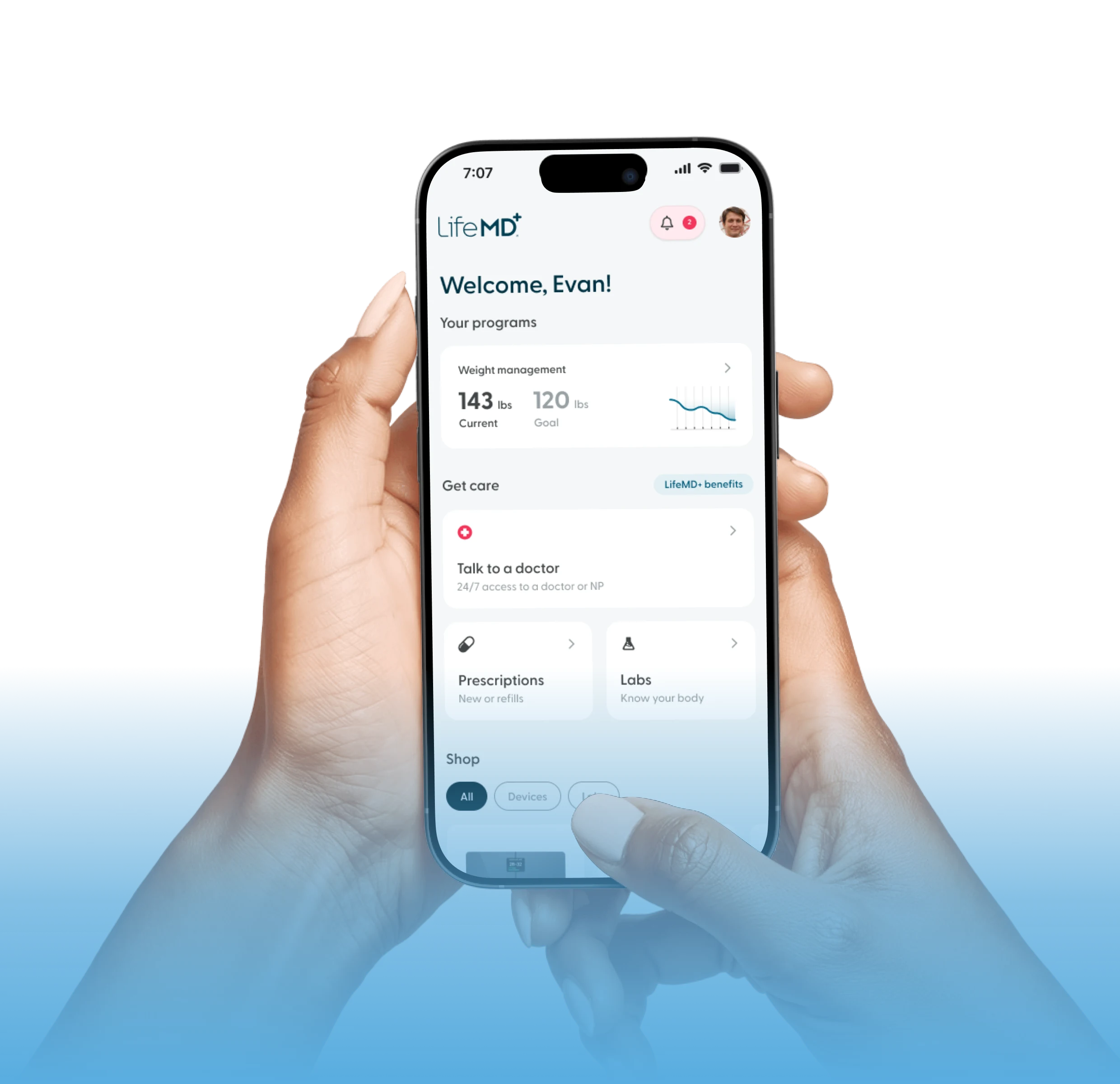
LifeMD offers convenient access to medical professionals who specialize in perimenopause and menopause care. Through virtual consultations, providers can evaluate your symptoms, review your health history, and determine whether menopausal hormone replacement therapy aligns with your needs – all from the comfort of your home.