
Managing Stress Around Holiday Family Gatherings
Quick Read
You love your family, and you're also bracing for the long drive, the crowded kitchen, and the one conversation that always goes sideways. That mix of warmth and dread is common during the holidays. A few decisions made ahead of time, like how long you'll stay, which topics you'll skip, and where you'll go for a breather, can make gatherings feel more manageable. When stress or anxiety sticks around after the decorations come down, a licensed provider can help you sort out what comes next.
The holidays bring people together, often with years of shared history in one room. Add travel, money, shifted routines, and the pressure to make everything feel special, and it's easy to see why this season weighs on so many people. In an American Psychiatric Association poll, 41% of adults said they expected to feel stressed around the holidays, up from about 30% in the three years before. About one in three said they were worried about family dynamics in particular.
The same poll found that nearly half of people expect the holidays to have a positive effect on their mental health, with time with family at the top of the list. Both things can be true at once, and a bit of planning helps the good parts outweigh the hard ones.
Why Do Family Gatherings Feel So Stressful?
Family gatherings feel stressful because they combine high expectations, old relationship patterns, and a break from your usual routine all at once. Around family, it's common to slip back into roles you've long outgrown, like the peacemaker, the one who's still single, or the sibling who always gets compared. Questions about your job, relationship, weight, or parenting choices can land harder than intended.
The setting adds to it. Long travel days, late nights, rich food, alcohol, and very little alone time all chip away at sleep and patience. Grief can be part of the picture too, especially in the first holidays after a loss or when an empty seat at the table is hard to ignore.
What Does Holiday Stress Feel Like in Your Body and Mind?
Holiday stress often shows up as tension, irritability, trouble sleeping, and a sense of dread in the days leading up to a gathering. Some people notice physical signs like a tight chest, headaches, an upset stomach, or a racing heart when they walk into a crowded room. Others feel it more mentally, replaying past arguments or rehearsing what they'll say.
For people who already live with anxiety or depression, the holidays can intensify symptoms. Social anxiety in particular can make large gatherings, toasts, or meeting a partner's family feel especially draining. Noticing these patterns early gives you more room to plan around them.
How Can You Prepare Before the Gathering?
Preparing before the gathering means deciding ahead of time what you can control, like when you arrive, how long you stay, and how you'll take breaks. A few things that help:
Set a time frame: Knowing you'll leave by 7 p.m., or stay two nights instead of four, makes the whole visit feel more contained.
Plan your exits: A walk, a quick errand, or a few minutes with a book in another room gives you a reset point.
Line up an ally: A partner, sibling, or friend who knows your stress points can change the subject or check in with you.
Keep a few routines: Morning coffee on your own, a short workout, or your usual bedtime can anchor you in an unfamiliar setting.
Adjust expectations: One great meal and a few good conversations can be enough. The day doesn't need to be perfect to be meaningful.
How Do You Set Boundaries With Family Without Starting a Fight?
Boundaries work best when you keep them short, calm, and focused on what you'll do rather than what others should do. A simple line like "I'm going to sit this one out" or "Let's talk about something else" is often enough to redirect a conversation about politics, your weight, or your love life.
It can help to pick two or three boundaries in advance instead of trying to manage everything. Maybe you'll skip the political debate, keep details about your job search to yourself, or head out if the drinking gets heavy. Repeating the same calm sentence usually works better than a long explanation.
Boundaries can also apply to time and money. Saying no to hosting, suggesting a gift limit, or splitting your time between households are all reasonable choices.
What Can You Do When Stress Hits in the Moment?
When stress hits in the moment, slowing your breathing and stepping away for a few minutes are two of the quickest ways to calm your body down. Try breathing in for four counts and out for six. A longer exhale signals your nervous system to settle.
Other quick resets include:
Stepping outside for fresh air or a short walk around the block
Grabbing a glass of water or offering to help in the kitchen to shift your focus
Grounding yourself by naming five things you can see and three things you can hear
Texting a friend who gets it
Keeping an eye on alcohol helps too. A drink may seem to take the edge off, but alcohol can worsen anxiety, low mood, and sleep, especially over several days of celebrations.
How Can You Take Care of Yourself After the Holidays?
Taking care of yourself after the holidays means giving yourself time to recover and paying attention to how you feel in the weeks that follow. Plan a quiet day after travel when you can. Get back to regular sleep, meals, and movement, and make time for people who leave you feeling recharged.
It's normal to feel a little flat once the season winds down. When low mood, worry, or trouble sleeping lasts two weeks or more, or starts to affect work, relationships, or daily life, that's a good time to talk with a provider.
When Should You Talk to a Provider About Stress or Anxiety?
It's worth talking to a provider when stress or anxiety feels constant, hard to control, or starts getting in the way of everyday life. Signs to watch for include persistent worry, feeling on edge most days, losing interest in things you usually enjoy, changes in sleep or appetite, or avoiding social situations because of fear or dread.
A provider can help you understand what you're experiencing and talk through options, which may include lifestyle changes, therapy referrals, or medication when appropriate. Some people need support for a specific situation, like social or performance anxiety at big events. Others benefit from ongoing care for generalized anxiety or depression.
In a crisis or having thoughts of harming yourself, call or text 988 to reach the 988 Suicide & Crisis Lifeline, available 24/7. In an emergency, call 911.
How Can LifeMD Help With Anxiety and Depression?
The LifeMD Mental Health Program offers personalized, medication-based care for anxiety and depression, including generalized anxiety disorder, social anxiety, and performance anxiety. LifeMD connects you with licensed providers who review your symptoms, health history, and goals to build a treatment plan that fits your life.
Everything happens 100% online, from your intake to your follow-ups, so you can get care privately and on your own schedule. When medication is appropriate, it's included in your monthly membership.
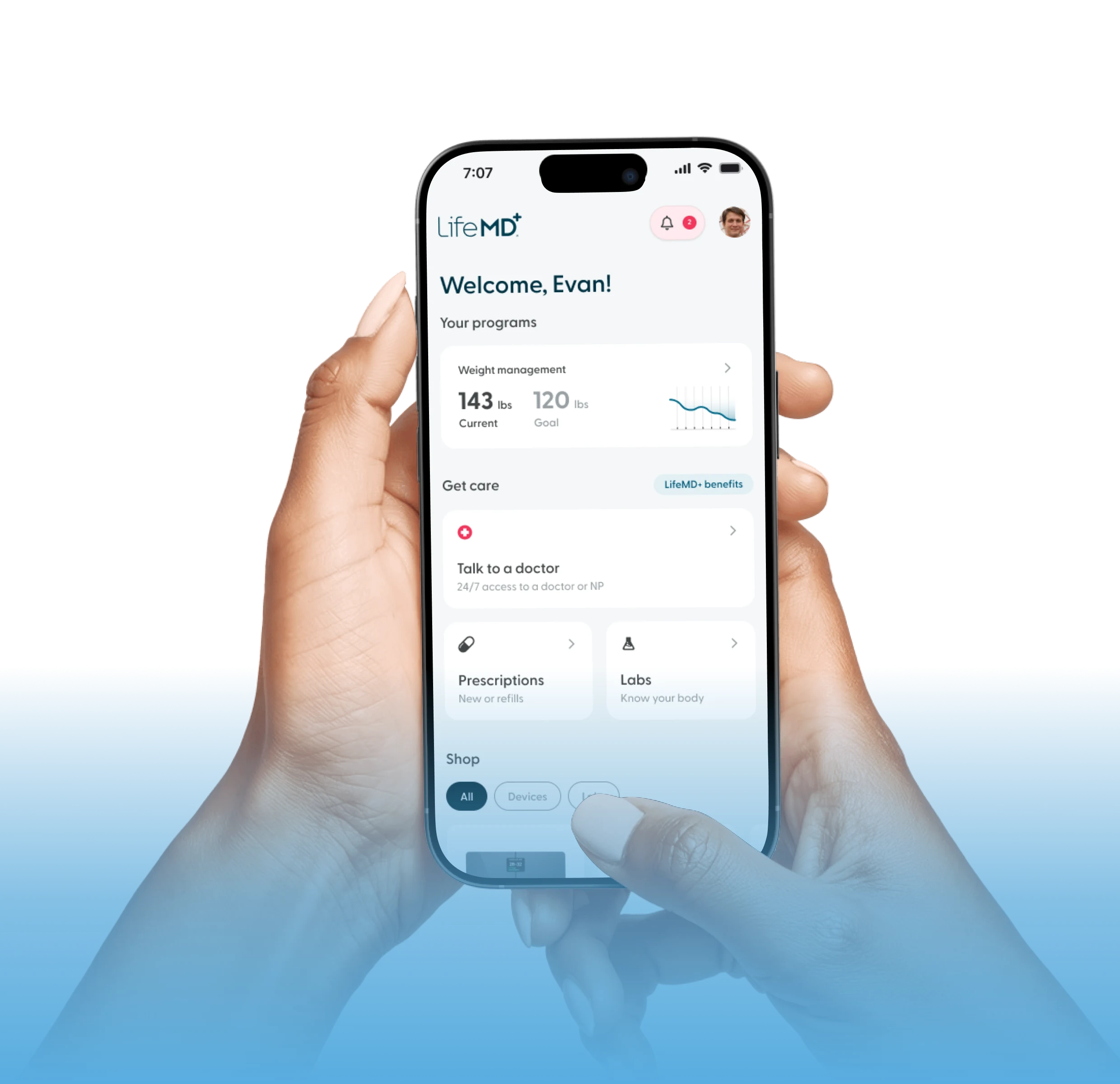
Ongoing support includes secure messaging with your care team and regular treatment reviews to track how you're feeling and adjust your plan as needed. Your membership also includes access to LifeMD+ for urgent and primary care, with appointments available in an hour or less.
The information provided is not a substitute for professional medical advice and is for informational purposes only. Availability of specific treatments and offerings varies by state. Medications prescribed if clinically appropriate based on completion of required consultation.