
PMOS in Your 20s and 30s: Symptoms, Testing, and What Treatment Looks Like
Quick Read
Polycystic ovary syndrome, now called PMOS, is one of the most common hormonal conditions in women of reproductive age, affecting an estimated 10-13%. Yet up to 70% of people with this condition have never been diagnosed. In your 20s and 30s, it usually shows up as irregular periods, acne, unwanted hair growth or scalp thinning, and weight or energy changes tied to insulin resistance. Diagnosis is straightforward, treatment is tailored to your goals, and a telehealth visit can get you answers and a real plan.
Millions of women across the world deal with polyendocrine metabolic ovarian syndrome, or PMOS. This condition was previously called polycystic ovary syndrome, but the name has been updated to improve diagnosis and care of the condition that affects millions of women.
In your 20s and 30s, PMOS can look like irregular periods, persistent acne, unwanted hair growth, or stubborn weight changes. It gets overlooked because these symptoms feel scattered enough to blame on separate things, including stress, skincare, lifestyle, and hormonal birth control. You may have been told this is just your body, or just how things work for you.
PMOS is common, it's very treatable, and if this pattern sounds familiar, it deserves a real evaluation rather than a shrug. Here's what PMOS actually is, how it tends to show up in your 20s and 30s, how it's diagnosed, and what care can look like from there.
What is PMOS?
PMOS is a hormonal and metabolic condition in which the ovaries produce higher than typical levels of androgens (hormones such as testosterone). That imbalance can disrupt ovulation, which is what drives the irregular cycles many women notice first.
The name recently changed from PCOS to PMOS, and for good reason. The old name was built around a misleading detail: the "cysts" that show up on ultrasound. In reality, these aren't cysts at all. They're small, immature follicles that build up when ovulation stalls. Not everyone with the condition has them, and having them doesn't mean you have PMOS. The cysts are a possible sign, not the cause, and leading with them in the name meant the diagnosis hinged on an imaging finding that wasn't always reliable or even present. PMOS centers on what actually drives the condition, which is metabolic and hormonal dysfunction. That shift in naming helps healthcare providers recognize and diagnose it more accurately, especially in younger patients where ultrasound findings can be misleading, which means faster access to real treatment.
It's also worth knowing that PMOS reaches far beyond your ovaries. It's a lifelong metabolic condition that can touch your energy levels, weight, mood, and long-term health. Getting the right diagnosis early means you can manage it in ways that protect your health for decades to come.
What Do PMOS Symptoms Look Like in Your 20s and 30s?
Symptoms vary from person to person and can shift over time, but the most recognizable ones cluster into a few groups:
Cycle changes: Periods that are irregular, infrequent, unusually long, unusually heavy, or absent.
Signs of higher androgens: Acne (often along the jaw and chin), coarse hair growth on the face, chest, or abdomen, and thinning hair at the scalp.
Metabolic signs: Weight that is hard to manage, and signs linked to insulin resistance such as darkened, velvety patches of skin (often on the neck) or small skin tags.
Mood and wellbeing: Anxiety and depression show up more often in women with PMOS than in those without it.
Fertility: Because ovulation is disrupted, PMOS is the most common cause of ovulation-related infertility worldwide.
You don't need to have experienced every symptom on this list to have PMOS. Many women have just a couple, and they can change across your 20s and 30s.
Why Does PMOS Get Missed So Often?
Part of the reason PMOS flies under the radar is that its symptoms are easy to explain away one at a time. Irregular periods get blamed on stress. Acne gets blamed on skincare. Weight changes get blamed on lifestyle. It's only when you connect the dots that a pattern emerges.
In an international survey of 1,385 women with PMOS, nearly half had seen three or more healthcare professionals before getting a diagnosis, and for about a third the process took more than two years. If you feel like you've been bounced around or not fully heard, you're not imagining it, and it's worth advocating for a proper workup.
How is PMOS Diagnosed?
There's no single test that confirms PMOS. Instead, clinicians use a widely accepted framework: a diagnosis is generally made when at least two of these three features are present, and other conditions have been ruled out:
Irregular or absent ovulation, usually reflected in irregular cycles.
Higher androgen levels, either measured on a blood test or seen as physical signs such as excess hair growth or acne.
Polycystic ovaries on ultrasound, or an elevated anti-Mullerian hormone (AMH) level, which can stand in for the ultrasound.
A typical evaluation includes a conversation about your cycle history and symptoms, and blood work to check androgen levels along with glucose, insulin or A1c, cholesterol, thyroid function, and prolactin. A pelvic ultrasound is sometimes added. Because several other conditions can mimic PMOS, ruling them out is part of getting the diagnosis right.
Why Your Age May Change the Diagnosis
If you're still within a few years of your first period, ultrasound findings are less reliable, so clinicians lean on cycle patterns and signs of higher androgens instead.
What Does PMOS Treatment Look Like?
While there's no cure for PMOS, there's a lot you and your provider can do. The goal is to manage the symptoms that bother you most and to lower the longer-term health risks, and the plan is tailored to whether you're focused on symptom relief, metabolic health, fertility, or all three.
Foundational habits: Nutrition, regular movement, sleep, and stress management are first-line for nearly everyone. Even a modest change of around 5% in body weight can improve symptoms and help restore ovulation for some women.
Regulating cycles and easing androgen symptoms: Combined hormonal birth control is often used to make cycles predictable and reduce acne and excess hair. Anti-androgen medications may be added for hair and skin concerns.
Supporting metabolic health: For insulin resistance, a provider may consider metformin as part of the plan.
Fertility, when that is the goal: Ovulation-inducing medications such as letrozole are commonly used to help with conception.
Mental health: Because anxiety and depression are more common with PMOS, care that includes emotional support matters.
Every one of these is a decision to make with a licensed provider who knows your history, not something to start on your own.
Why Does Early Care Matter for Women With PMOS?
Beyond the day-to-day symptoms, women with PMOS have a higher long-term risk of insulin resistance, type 2 diabetes, and obesity, along with the mood effects noted above. Long stretches without regular ovulation can also affect the uterine lining, which is one more reason regular, provider-guided cycles matter. None of this is meant to alarm you. It's the case for getting evaluated sooner rather than later, because early, consistent care is what keeps these risks in check.
Can You Manage PMOS Through Telehealth in Your 20s and 30s?
If you're under 35 and suspect PMOS, telehealth can be an efficient way to stop guessing and start getting answers. A virtual visit lets you talk through your cycle and symptoms with a licensed provider, have the right lab work ordered, and build an ongoing plan without waiting weeks for an in-person appointment.
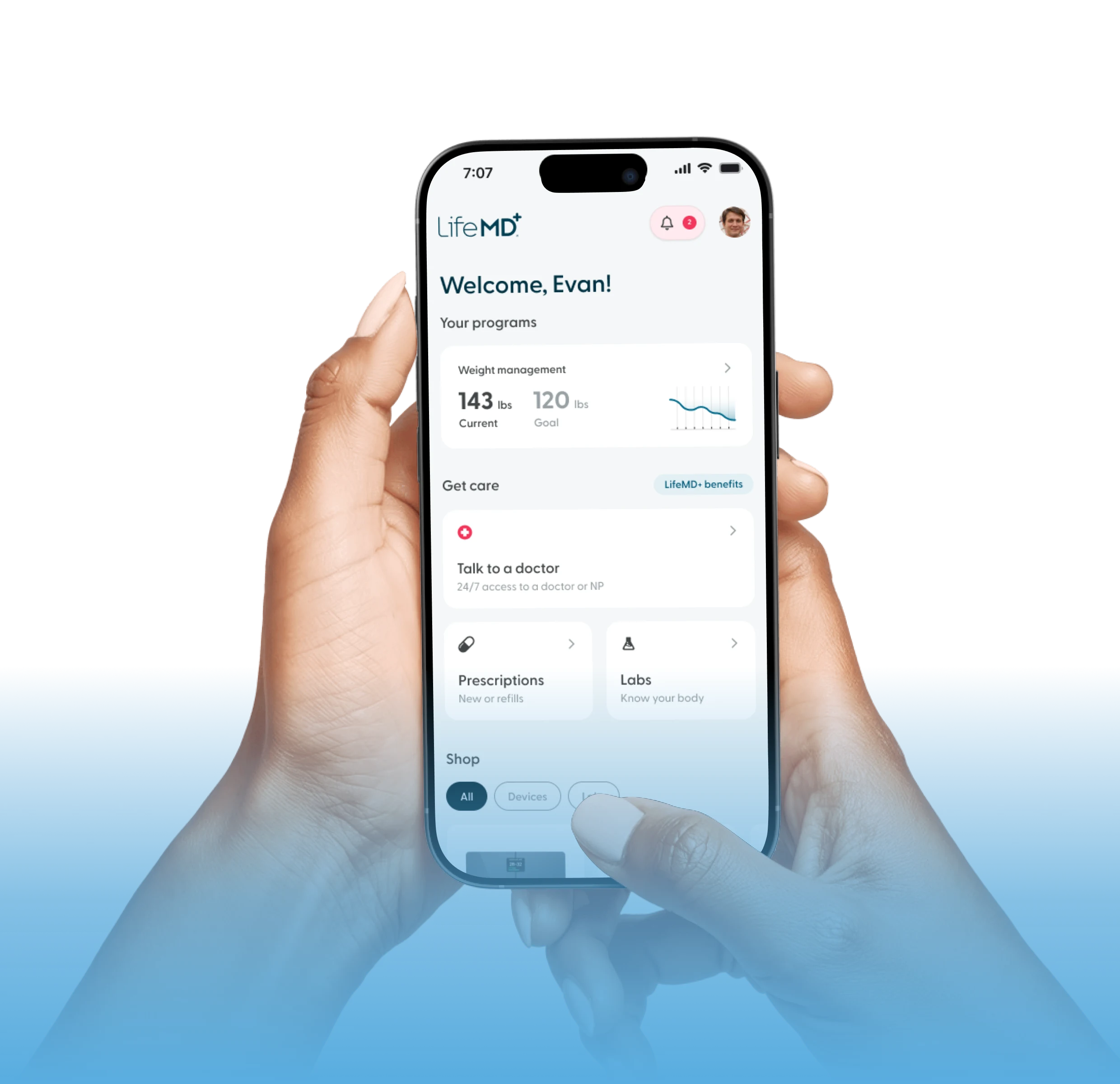
With LifeMD, you can connect with a licensed healthcare provider from the comfort of your home within an hour. If appropriate, your provider may prescribe a medication and send it directly to your local pharmacy.
For even more flexibility, a LifeMD+ membership gives you 24/7 access to care, same-day prescription refills, exclusive wellness perks, and easy access to lab testing — all designed to make managing your health simple and stress-free.
Skip the waiting room. Join LifeMD and take control of your health today.