
Does Turkey Really Make You Sleepy? The Tryptophan Myth
Quick Read
After a big holiday dinner, you end up on the couch fighting to keep your eyes open, and the turkey usually takes the blame. Turkey does contain tryptophan, an amino acid your body uses to make sleep-related hormones, but it has about the same amount as chicken, fish, or cheese. The drowsiness comes from the size of the meal, the carbs, the alcohol, and a long, busy day. Fatigue that sticks around well after the holidays is worth bringing up with a provider.
Every Thanksgiving, someone at the table announces that the turkey is about to knock them out. The idea is so familiar that it has become part of the holiday. Turkey does contain tryptophan, and tryptophan does play a role in sleep. The amount on your dinner plate is just too small to make you sleepy on its own.
The post-dinner slump is still very real. It comes from other parts of the day: a large meal, plenty of carbs, a glass or two of wine, and hours of cooking, traveling, and socializing. Knowing what's behind it can help you feel better after the meal and sleep better that night.
What is Tryptophan and What Does it Do in the Body?
Tryptophan is an essential amino acid, which means your body can't make it on its own and has to get it from food. It's one of the building blocks of protein, so it shows up in most protein-rich foods, including meat, poultry, fish, dairy, eggs, nuts, seeds, and soy.
Your body uses tryptophan to make serotonin, a chemical messenger that helps regulate mood, appetite, and sleep. Serotonin is then converted into melatonin, the hormone that signals to your body that it's time to sleep. That link to melatonin is where the turkey theory comes from.
Does Turkey Have More Tryptophan Than Other Foods?
Turkey has about the same amount of tryptophan as most other common protein sources. Chicken, beef, pork, and fish all contain similar amounts per serving. Some foods, like pumpkin seeds, soybeans, and certain cheeses, contain as much or more by weight.
That means a turkey sandwich on a regular weekday has roughly the same tryptophan as your Thanksgiving plate. Most people can eat a turkey sandwich at lunch and go right back to work, which is a good clue that something else is happening at the holiday table.
Why Doesn't the Tryptophan in Turkey Make You Sleepy?
The tryptophan in turkey doesn't reach your brain in large enough amounts to cause drowsiness. To get into the brain, tryptophan has to cross the blood-brain barrier, a protective filter that controls which substances pass through. It shares a transport system there with several other amino acids, and they all compete for the same entry points.
Turkey and other protein-rich foods are full of those competing amino acids. After a protein-heavy meal, tryptophan makes up only a small share of what's trying to get through, so only a little reaches the brain. Research that has linked tryptophan to sleep generally used isolated doses, taken without other proteins, in amounts much higher than what a serving of turkey provides.
So Why Do You Feel So Tired After Thanksgiving Dinner?
The tiredness you feel after Thanksgiving dinner comes from a combination of the meal's size, its carbs, alcohol, and the day leading up to it. Each one adds to the effect.
Sleepiness after eating is common enough to have a medical name, postprandial somnolence. It tends to be stronger after large meals, when your body directs more energy toward digestion. Health experts are still studying exactly why it happens, but it's linked to the hormonal and nervous system changes that come with digesting food. Many holiday dinners also happen in the mid-afternoon, which lines up with a natural dip in alertness most people feel at that time of day.
Carbs play a role too. Mashed potatoes, stuffing, rolls, and pie raise your blood sugar, and your body releases insulin in response. Insulin moves many of the competing amino acids out of the bloodstream and into your muscles, which gives tryptophan an easier path to the brain. This is the one way the tryptophan theory holds up a little, though the carbs deserve more of the credit than the turkey, and the effect from a single meal is modest.
Alcohol adds to the drowsiness. Wine, beer, and cocktails slow down your central nervous system, which can make you feel relaxed and sleepy, especially on a full stomach.
The day itself also takes a toll. Early mornings in the kitchen, travel, hosting, and late nights with family can leave you short on sleep before dinner even starts. Holiday stress and excitement use up energy too, and once you finally sit down and relax, that tiredness catches up with you.
Can Holiday Meals Affect Your Sleep That Night?
Yes, a big holiday meal can make you drowsy in the afternoon and still leave you sleeping poorly that night. Alcohol is one of the main reasons. It can help you fall asleep faster, but as your body processes it, sleep in the second half of the night becomes lighter and more broken up, and you're more likely to wake up early.
A large meal close to bedtime can also get in the way of sleep, especially for people prone to heartburn or acid reflux, which tends to get worse when lying down. A long nap on the couch after dinner can make it harder to fall asleep at your usual time, too.
A few simple habits can help:
Eat dinner earlier when you can, leaving two to three hours before bed
Start with moderate portions and go back for more later if you're still hungry
Take a short walk after the meal
Alternate alcoholic drinks with water and stop drinking a few hours before bed
Keep naps short, around 20 to 30 minutes
Do Tryptophan Supplements Help You Sleep?
The research on tryptophan supplements for sleep is limited and mixed. Some small studies have found that L-tryptophan may help people fall asleep a little faster or improve sleep quality, while others have shown little benefit. Supplements also aren't regulated by the FDA the same way medications are, so quality and dose can vary from one product to the next.
Tryptophan supplements can interact with medications that affect serotonin, including SSRIs and other antidepressants, certain migraine medications, and some pain medications. Taking them together can raise the risk of serotonin syndrome, a potentially serious condition caused by too much serotonin in the body. It's a good idea to talk with a provider before starting tryptophan or any other sleep supplement, including melatonin, a more common over-the-counter option.
Tired of restless nights?
Don’t let insomnia hold you back. Take the first step towards better sleep with LifeMD.
When is Feeling Tired a Sign of a Sleep Problem?
Tiredness after a big meal is normal and usually passes within a few hours, while fatigue that continues for weeks can be a sign of a sleep problem. It may be time to talk with a provider when:
You have trouble falling asleep or staying asleep at least three nights a week
You wake up too early and can't get back to sleep
You feel tired during the day even after a full night in bed
A partner notices loud snoring, gasping, or pauses in your breathing while you sleep
Poor sleep is affecting your mood, focus, or work
Insomnia is one of the most common causes of ongoing sleep trouble. Other possible causes include sleep apnea, stress, anxiety, depression, hormonal changes, thyroid conditions, and certain medications. A provider can help pinpoint what's behind your symptoms and recommend the right next step.
How Can LifeMD Help You Sleep Better?
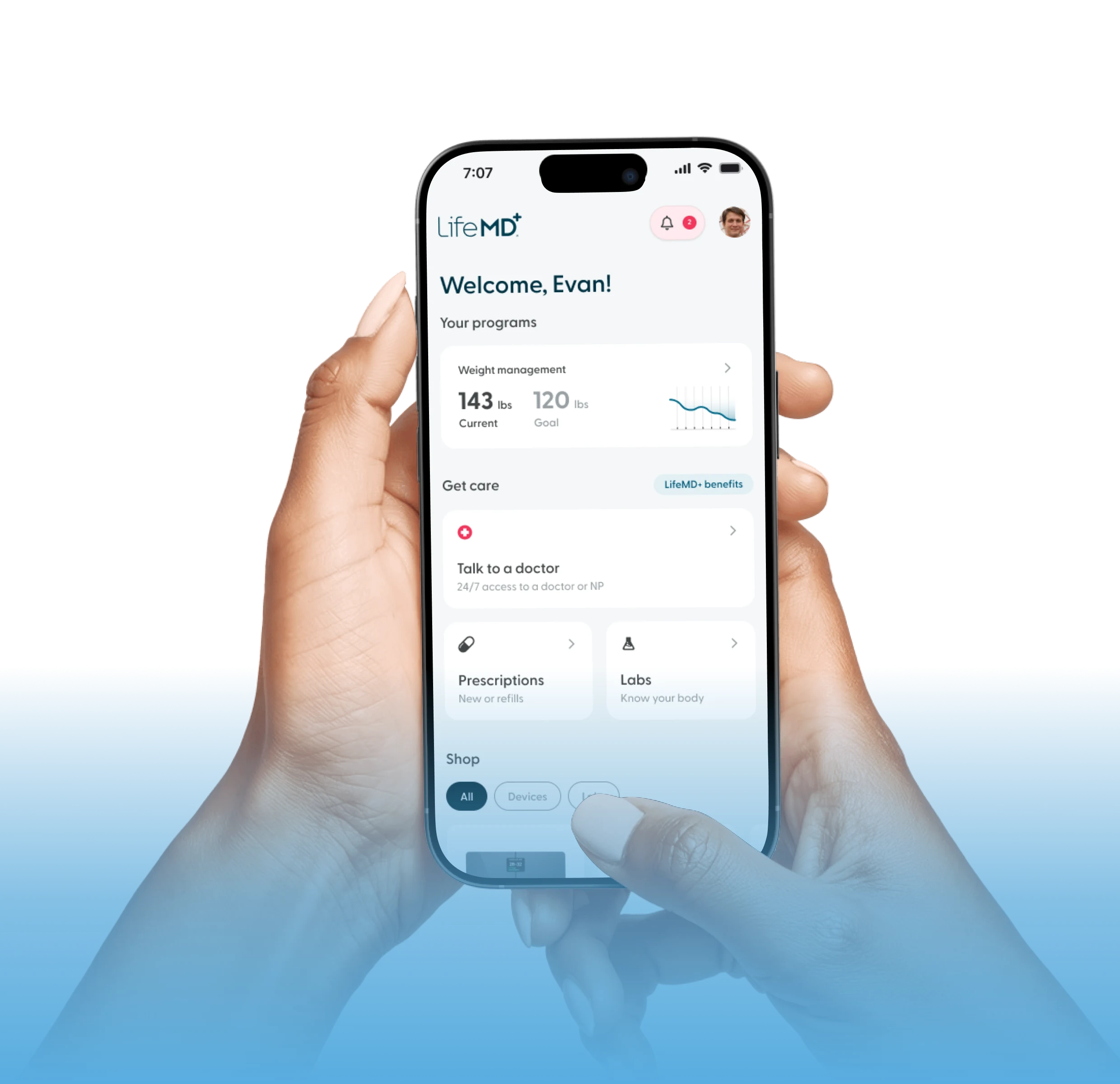
LifeMD connects you with licensed providers who can help you understand what's keeping you up at night and build a treatment plan that fits your needs. Through an online consultation, a provider reviews your sleep habits, symptoms, and health history, all from home and on your schedule.
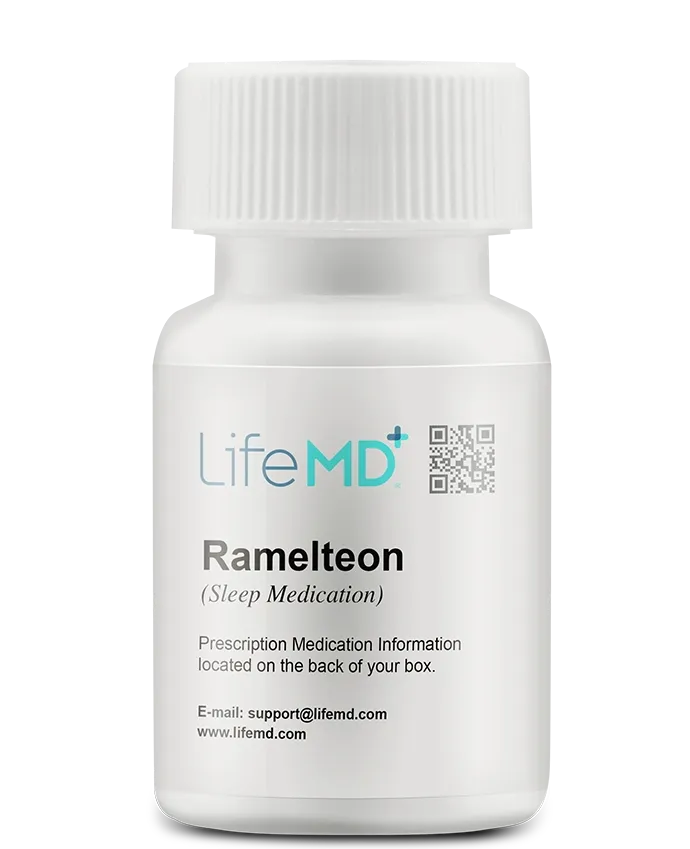
Depending on what's right for you, your plan may include prescription sleep medications like ramelteon or doxepin, along with guidance on habits that support better rest. Prescriptions are sent directly to your pharmacy, and you'll have ongoing access to follow-up care so your plan can be adjusted as your sleep improves.
Make an appointment to take control of your sleep today.