
Healthspan vs. Longevity: Why Living Longer Means Nothing if You're Not Living Well

Quick Read
You want more than extra years. You want years where you feel strong, independent, and able to enjoy your life. That's your healthspan, and the hormone changes after menopause shape it more than most women realize. Protecting your bones and muscle, making an informed decision about hormone therapy, and tracking your progress can help you stay well for longer.
Postmenopause can span a third of a woman's life or more. How those decades feel depends on choices that start now, from how you move and eat to whether you use hormone therapy.
Dr. Doug Lucas, Clinical Lead of Bone Health and Longevity Medicine at LifeMD, answers the most common questions about healthspan, longevity, and how to make the years after menopause some of your strongest.
What is the Difference Between Healthspan and Longevity?
Longevity is how long you live, and healthspan is how long you live in good health. The gap between the two is the stretch of years spent feeling unwell, limited, or dependent on others.
Dr. Lucas points out that the longevity world loves big numbers, with some people talking about living to 140 or beyond. For him, those numbers miss the point, since nobody wants a long life spent "debilitated and unable to actually enjoy your life." That's why he focuses on healthspan. The goal is to shrink those final years of poor health, which for many people can last a decade or two.
Feel Like Yourself Again
Connect with a licensed menopause provider who can help you understand your symptoms and determine if hormone replacement therapy is the right next step.


What is a Superager?
A superager is someone who lives a long life and stays healthy, active, and independent well into their later years. Dr. Lucas describes them as the people in their seventies, eighties, and nineties who are gardening, traveling, living on their own, and keeping up with their grandkids and great-grandkids.
Superagers show what a long healthspan looks like in real life. Their later years look a lot like the rest of their lives, full and active.
Why Do Women Spend More of Their Later Years in Poor Health?
Women tend to live longer than men on average but spend more of those extra years in poor health, partly because menopause changes how their bodies age. Men's hormones decline slowly over decades. Women go through a much faster shift as their cycles stop and their hormone profile changes over just a few years.
Dr. Lucas explains that the effects reach well beyond estrogen and progesterone. Stress hormones like cortisol, the immune system, and sleep all shift along with them, and the combined effect "totally changes their physiology." From midlife on, women's bodies start aging on a different track than men's.
How Does Postmenopause Change the Way Women Age?
After menopause, low estrogen speeds up bone loss, changes how your arteries age, and may affect brain health. These shifts happen gradually and often without symptoms, which is why they're easy to miss.
Bones: Dr. Lucas calls the numbers on bone loss staggering. Women can lose up to 20% of their bone density in the first five to seven years after their periods stop, roughly a fifth in just a few years.
Heart and blood vessels: Estrogen helps keep the lining of your arteries healthy. With less of it, arteries tend to stiffen and build up calcium, aging "more like men's arteries."
Brain: Dr. Lucas notes that the connection here is less clear, but research suggests that starting hormone therapy early, within 10 years of menopause or after an early menopause, may support cognitive health later in life.
Because estrogen, progesterone, and testosterone have receptors nearly everywhere in the body, these changes ripple out to many other systems too.
Can Hormone Therapy Help Extend Your Healthspan?
Hormone therapy can support healthspan by protecting bone and easing the downstream effects of low estrogen, and estradiol is FDA-approved to help prevent osteoporosis. Dr. Lucas describes the impact of hormones on the body as "undeniable."
He's equally clear that choosing not to use hormones is a valid decision. Many of his patients prefer to age naturally, and he respects that choice. What matters to him is that it's an informed decision. Without estrogen, he explains, bone loss and changes to the arteries are expected, and women deserve to understand those tradeoffs before deciding.
In his view, there's "no wrong answer, but you have to actually pick one." Your provider can help you weigh the benefits and risks based on your health, history, and goals.
Steady Relief for Menopause Symptoms
Connect with a licensed menopause specialist from home, get your treatment delivered, and adjust your plan anytime with follow-up care.

What Matters Most for a Longer Healthspan?
Bone and muscle matter most for a longer healthspan, according to Dr. Lucas, who puts both at the top of his list. Strong bones protect you from fractures, and muscle keeps you steady, energized, and independent.
He compares muscle to shapewear under the skin that holds everything in place, though its real value goes deeper. Muscle supports your metabolism and immune system, and the more of it you have, the less likely you are to fall and the easier it is to get back up. In his words, more muscle means "the longer you are likely to live, and the better your health span."
Sleep and nutrition round out the foundation, alongside a clear decision about hormones. Together, these make up the four pillars of healthy aging worth watching after menopause. Dr. Lucas adds that as we age, there's less room for error in these daily habits.
How Can You Track Your Healthspan After Menopause?
A DEXA scan is one of the simplest ways to track your healthspan after menopause, because it measures both bone density and body composition. Dr. Lucas calls it "such an easy tool" for setting a baseline and checking whether you're losing bone or muscle over time.
He recommends women get that baseline in midlife, ideally before deciding on hormones, since a full conversation about benefits and risks depends on knowing where your bones stand. That's the thinking behind getting a DEXA scan before your hormone therapy decision.
If follow-up scans show you're losing bone or muscle, that's a signal to adjust. For most women, that means more resistance training, which puts healthy load on both muscle and bone, along with a closer look at protein, sleep, and treatment.
Do Supplements Help Extend Healthspan?
Supplements can help fill specific gaps, but lifestyle has a far bigger impact on healthspan. Dr. Lucas uses and recommends supplements himself, and he always builds on a foundation of movement, nutrition, and sleep first.
He sorts supplements into two groups. The first fills nutritional gaps, like magnesium, which can be hard to get enough of through food. The second includes compounds used at higher doses for a specific effect. For bone health, he points to vitamin K2 in a form called MK-4 as one that researchers are studying. Talk to your provider before starting a high-dose supplement.
His bottom line is memorable. You can't supplement your way out of menopause, osteoporosis, or muscle loss, and supplements are "like the sprinkles on the icing on the cake."
How Can LifeMD Help You Protect Your Healthspan?
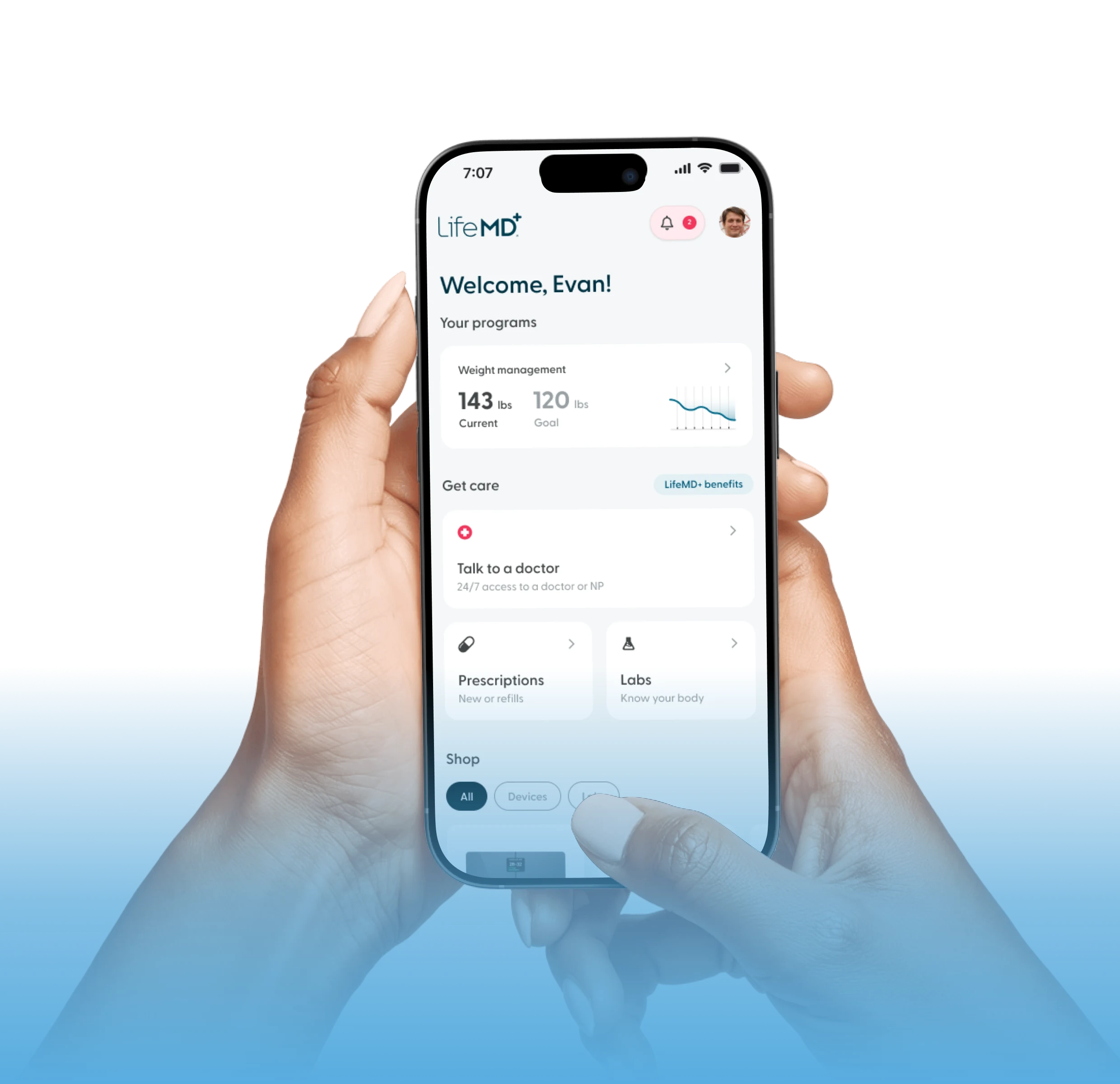
The LifeMD Women's Health Program connects you with licensed menopause providers who look at the whole picture after menopause. Your provider can help you make an informed decision about hormone therapy and build a plan that supports how you want to feel for decades to come.
Get started with LifeMD and invest in the years ahead.
The information provided is not a substitute for professional medical advice and is for informational purposes only. Availability of specific treatments and offerings varies by state. Medications prescribed if clinically appropriate based on completion of required consultation.