
How GLP-1 Medications Work for Weight Loss: A Complete Guide
GLP-1 medications (GLP-1 receptor agonists) are prescription medications that promote weight loss by impacting the biology of hunger. They reduce appetite, increase feelings of fullness, and improve metabolic signals that affect blood sugar and insulin. Most people lose weight gradually over months, especially when medication is paired with consistent nutrition, movement, sleep, and follow-up care.
What is GLP-1?
GLP-1 (glucagon-like peptide-1) is a naturally occurring hormone the small intestine produces after you eat. It’s released by specialized L-cells in the intestinal lining in response to nutrients – specifically carbohydrates, proteins, and fats.

Foundayo® (orforglipron)

Wegovy® Pill (semaglutide)
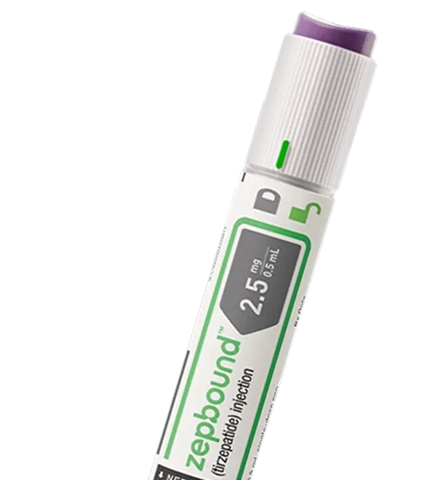
Zepbound® (tirzepatide)
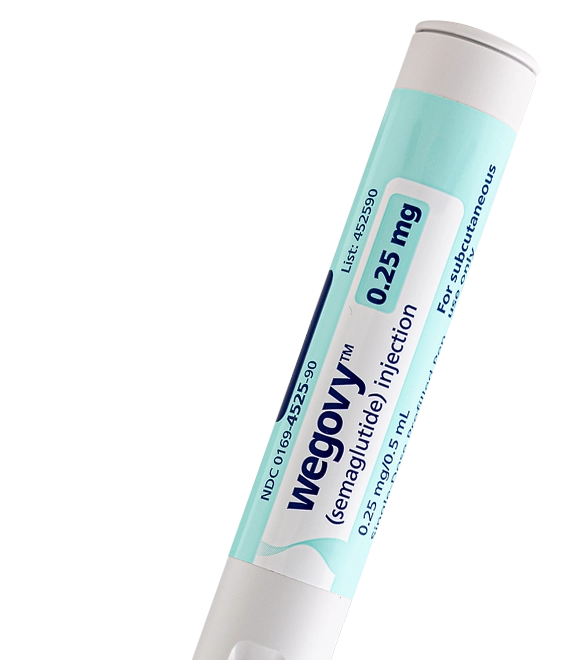
Wegovy® (semaglutide)

Saxenda® (liraglutide)
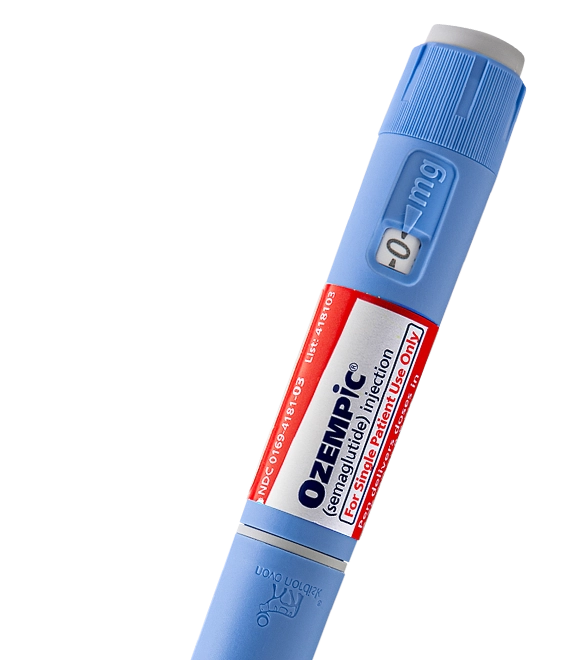
Ozempic® (semaglutide)
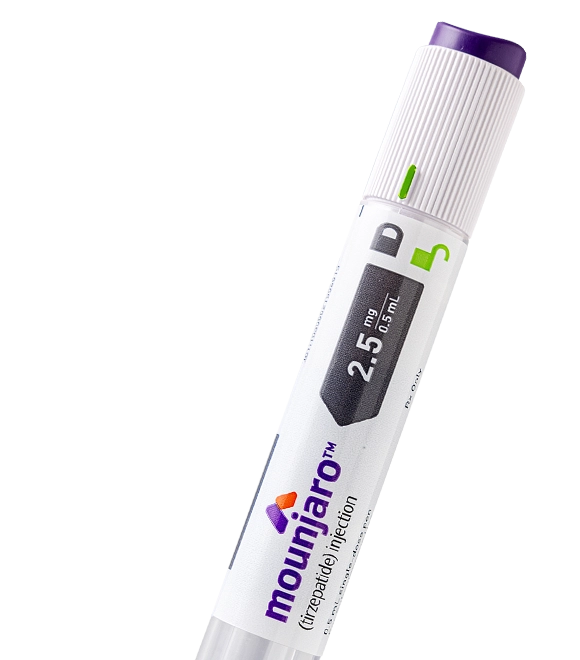
Mounjaro® (tirzepatide)
Natural GLP-1 performs several important functions. It triggers insulin release from the pancreas to lower blood sugar, suppresses glucagon to prevent additional glucose from entering your bloodstream, slows how quickly food leaves your stomach, and reduces appetite by acting on brain regions that control hunger.
The problem with natural GLP-1
Your body naturally produces GLP-1, but it gets destroyed almost instantly. There's an enzyme (DPP-4) that chews it up within about two minutes of it being released.
Because it degrades so fast, only 10-15% of the GLP-1 you produce actually makes it into your bloodstream in usable form. The rest is already broken down before it can do anything.
GLP-1 helps control appetite and blood sugar, but your natural supply barely has time to work before it's gone. That's why GLP-1 medications exist. They're chemically modified to resist that enzyme, so they last for hours or days instead of minutes. This longer lifespan is what makes them effective for weight loss, while your natural GLP-1 isn't.
Do GLP-1 Medications Burn Fat?
GLP-1 medications don't directly "burn" fat. They help you lose weight primarily by reducing appetite and caloric intake. The weight loss that occurs includes both fat mass and some lean mass, though studies show fat mass reduction is typically about three times greater than lean mass reduction.
How GLP-1 Medications Promote Weight Loss
Reduced hunger and increased fullness
GLP-1 medications work directly on appetite centers in your brain, including the hypothalamus and brainstem. Research shows treatment with these medications reduces appetite and hunger, decreases cravings for high-calorie foods, alters food reward pathways, and improves eating control. Essentially, they recalibrate your hunger signals so you feel satisfied with less food.
Slowed digestion
GLP-1 medications delay gastric emptying, or the rate food leaves your stomach. This keeps you feeling full longer, produces more gradual blood sugar rises after meals, and reduces between-meal hunger.
Blood sugar control improvement
These medications enhance insulin secretion when blood sugar is elevated while suppressing glucagon release. Better glucose regulation reduces insulin resistance and improves metabolic health, supporting sustainable weight loss.
Which GLP-1 Medications are FDA-Approved for Weight Loss?
These medications are FDA-approved specifically for chronic weight management:
Semaglutide (Wegovy®): Once-weekly injection approved in June 2021 for adults with obesity (BMI ≥30) or overweight (BMI ≥27) with at least one weight-related condition. In December 2025, the FDA also approved an oral formulation (Wegovy® pill), the first oral GLP-1 for obesity.
Liraglutide (Saxenda®): Daily injection approved for weight management at 3.0 mg. The first generic version became available in August 2025.
Tirzepatide (Zepbound®): Once-weekly injection approved in November 2023. A dual GIP/GLP-1 receptor agonist that activates both incretin pathways.
There are certain GLP-1 medications that are FDA-approved for type 2 diabetes, but may be used off-label for weight loss, when medically appropriate. These include:
Ozempic® (semaglutide)
Mounjaro® (tirzepatide)
Trulicity® (dulaglutide)
Off-label use varies by medical professional and insurance coverage.
What's the Difference Between Using GLP-1s for Diabetes vs. Weight Loss?
The primary purpose of GLP-1 treatment for type 2 diabetes is glycemic control, or regulating blood sugar levels. Weight loss is a beneficial side effect.
For weight loss, the focus is achieving clinically significant weight reduction (typically at least 5% of body weight) through higher, specifically studied doses.
Both indications can provide cardiovascular benefits. Wegovy is FDA-approved to reduce the risk of major adverse cardiovascular events in adults with established heart disease and obesity.
How Much Weight Can You Realistically Expect to Lose?
Clinical trials have provided important benchmarks for weight loss expectations in patients taking GLP-1 medications.
Semaglutide 2.4 mg (Wegovy injection)
STEP-1 trial: People lost an average of 14.9% of their body weight over 68 weeks, compared to just 2.4% for those on placebo
SELECT trial (long-term): After 4 years, participants maintained an average weight loss of 10.2%
OASIS 4 trial (oral semaglutide): Those who stuck with the 25 mg pill lost an average of 16.6% of their body weight over 64 weeks. One-third of participants lost 20% or more of their starting weight
Tirzepatide (Zepbound)
SURMOUNT-1 trial: After 72 weeks, people lost an average of 15.0% (at 5 mg dose), 19.5% (at 10 mg), or 20.9% (at 15 mg) of their body weight, compared to just 3.1% with placebo
Semaglutide is a GLP-1 receptor agonist only, while tirzepatide is a dual GIP/GLP-1 receptor agonist that activates both incretin pathways. Clinical trials suggest tirzepatide produces slightly greater average weight loss than semaglutide.
Key Point: Important Considerations
- Weight loss occurs gradually over many months
- Peak weight loss typically occurs around 60-72 weeks
- Individual results vary based on adherence, lifestyle, and metabolism
- Most patients experience gastrointestinal side effects (nausea, diarrhea) initially, though these typically improve
- Weight regain is common after stopping: In the STEP-1 extension study, participants who discontinued semaglutide regained two-thirds of their prior weight loss within one year. This emphasizes that obesity is a chronic condition that requires ongoing management.
Who Should Not Use GLP-1 Medications?
Some people may not qualify for GLP-1 therapy. Be sure to inform your healthcare provider if you:
Are pregnant or planning pregnancy: These medications should be stopped at least two months before conception
Have a personal or family history of medullary thyroid carcinoma (MTC) or multiple endocrine neoplasia syndrome type 2 (MEN 2)
Have a history of pancreatitis, as provider assessment is required
Have a severe gastrointestinal disease, as provider assessment is required
Are taking certain medications, particularly insulin, sulfonylureas, or other medications that lower blood sugar
Always consult a qualified healthcare provider to determine if GLP-1 therapy is appropriate for your individual health situation.
Important Safety Considerations
The FDA actively warns against unapproved GLP-1 versions sold online, including compounded products from unlicensed sources. Only obtain medications through licensed pharmacies with a valid prescription from a healthcare provider.
Some people may experience nausea, especially when starting or increasing doses, but this typically improves within weeks. Nausea occurs because GLP-1 medications slow gastric emptying (how quickly food leaves your stomach). This side effect is typically most noticeable when starting treatment or increasing doses, and usually improves over time as your body adjusts.
Ready to achieve your weight loss goals?
Shed pounds with GLP-1 medication prescribed online by licensed healthcare providers for as low as $75/month.
How Does LifeMD Evaluate Patients for GLP-1 Therapy?
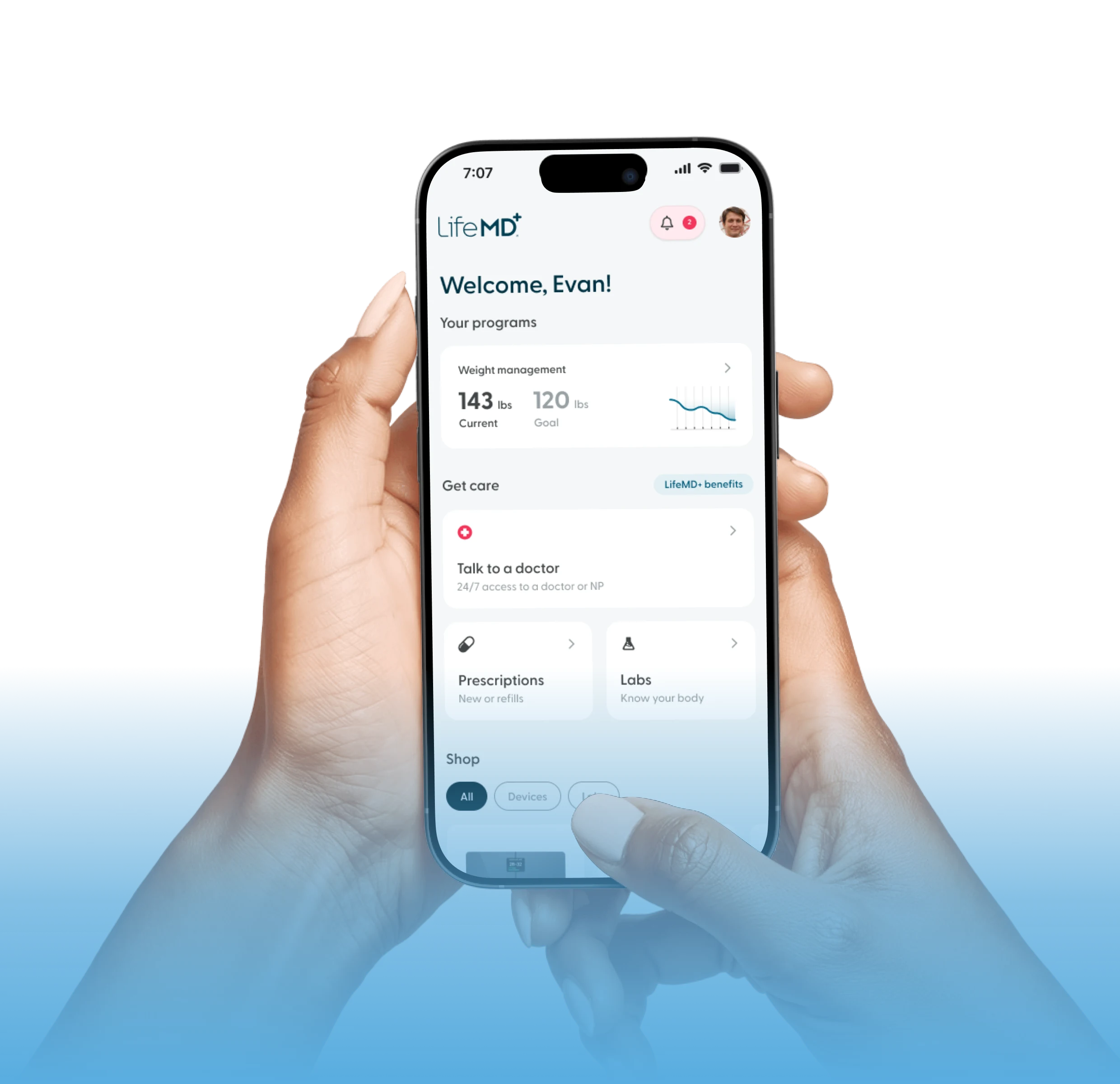
LifeMD's Weight Management Program provides access to FDA-approved GLP-1 medications through a comprehensive evaluation process:
Medical assessment: Patients complete a detailed online questionnaire covering health history, medications, and weight loss goals. Licensed LifeMD-affiliated providers review this information to determine appropriateness.
Metabolic testing: Providers may recommend lab work to assess baseline health markers before starting therapy, providing valuable insights into overall health status.
Personalized treatment: Based on the assessment, providers develop individualized plans that may include medications like Wegovy or Zepbound. The team assists with insurance checks to determine medication coverage and presents alternatives if needed, including options for home delivery.
Ongoing support: The program includes continuous provider support with regular check-ins (concrete cadence determined by individual needs), medication adjustments, progress tracking tools, dose escalation support, and on-demand messaging access to your care team. Lab work is provided if you haven't completed required tests within the last 12 months.
Next steps: Take the online eligibility questionnaire to see if GLP-1 therapy might be right for you, or schedule a visit with a LifeMD-affiliated provider to discuss your weight loss goals.
Where Can I Learn More About GLP-1 Treatment?
The LifeMD Weight Management Program provides eligible patients access to GLP-1 medications and personalized, ongoing support to help you reach your weight loss goals. A licensed healthcare provider can work with you to determine if FDA-approved GLP-1 medications are right for your needs.
With guidance and options designed around your health, you can take steps toward weight management that fit your life.
See if you qualify today.