
What Do We Know About Oral GLP-1s?

As of September 2019, the only FDA-approved oral GLP-1 on the market has been Rybelsus (semaglutide). It was developed by Novo Nordisk, manufacturer of Wegovy and Ozempic, for the treatment of adults with type 2 diabetes.
As of January 2026, a new oral GLP-1 has become available. Novo Nordisk received FDA approval for the Wegovy® pill, the first and only oral GLP-1 on the market that’s FDA-approved for weight management.
Get prescription weight loss medication — no injection required.
Find out if you're eligible for the Wegovy® pill, and get started on your weight loss journey. Program starting at $75/month .

What are GLP-1 Medications?
GLP-1 medications – short for glucagon-like peptide-1 receptor agonists – are a class of drugs that mimic the effects of a natural hormone called GLP-1. This hormone is released after eating and plays an important role in regulating blood sugar and appetite.
When you take a GLP-1 medication, it activates the same receptors in your body that GLP-1 naturally would. This triggers several beneficial effects: it stimulates insulin release when blood sugar levels rise, reduces the amount of glucose the liver produces, and slows down digestion so glucose enters the bloodstream more gradually.
These combined effects help stabilize blood sugar levels throughout the day.
Beyond glucose control, GLP-1 drugs also act on the brain’s appetite centers to reduce hunger and promote feelings of fullness. That’s why they’re used not only for managing type 2 diabetes, but also for weight loss in people with obesity or overweight.
In short, GLP-1 receptor agonists help the body respond more effectively to meals – keeping blood sugar in check, supporting weight management, and lowering long-term risks tied to metabolic conditions.
From Injections to Pills: How Oral GLP-1s Came to Be
For many years, GLP-1 medications were only available as injectable drugs. The main reason is that GLP-1 is a peptide. This is a type of protein that the digestive system breaks down before it can enter the bloodstream. This meant that oral forms of these medications were considered nearly impossible. Any pill would simply be digested like food and rendered ineffective.
Novo Nordisk solved this problem by creating a “helper molecule” called SNAC. SNAC shields semaglutide, – the active ingredient in Rybelsus and Wegovy pill– from being broken down in the stomach. It also helps the drug get absorbed into the bloodstream, allowing it to work effectively as a pill for the first time.
Because of this development, the FDA approved Rybelsus for adults with type 2 diabetes in 2019. Following approval, Rybelsus was gradually launched in markets worldwide, offering patients a needle-free alternative to injectable GLP-1s like Ozempic and Wegovy.
In December 2025, this breakthrough technology expanded to weight management when the FDA approved the Wegovy pill – the first oral GLP-1 medication specifically for obesity and weight loss. The Wegovy pill became available in early January 2026, offering patients the same weight loss results as the injectable form in a convenient once-daily pill
This breakthrough marked a significant step forward in diabetes and obesity care, combining convenience with the proven benefits of GLP-1 therapy.
Rybelsus vs. Wegovy Pill
Rybelsus is currently approved for treating adults with type 2 diabetes. It’s not yet approved for obesity in adults, though studies are ongoing to explore its potential in weight management. Rybelsus works the same way as Ozempic, its injectable counterpart.
Because it’s in pill form, there are a few key differences for dosing and administration of this medication, compared to GLP-1 medications. Rybelsus must be taken once daily on an empty stomach, at least 30 minutes before the first food, drink, or other medications. This timing is important to ensure the drug is absorbed properly.
The side effects of Rybelsus are similar to those of other injectable GLP-1s. Common side effects are mostly gastrointestinal, including nausea, vomiting, and diarrhea. Most are mild to moderate, but some patients may need to discontinue treatment.
The same is true for the Wegovy pill. The Wegovy pill is the first oral GLP-1 medication approved for weight management, representing a major breakthrough in obesity treatment. This once-daily pill contains 25 mg of semaglutide, the same active ingredient found in the weekly Wegovy injection, and works by mimicking the GLP-1 hormone to suppress appetite and regulate blood sugar.
By using a special absorption-enhancing molecule called SNAC, the Wegovy pill protects semaglutide from digestive breakdown and helps it enter the bloodstream effectively, delivering weight loss results comparable to the injectable form – an average of 16.6% body weight loss in clinical trials. This advancement offers patients a convenient, needle-free option that doesn't require refrigeration, potentially making effective weight management accessible to more people who may have been hesitant about injections or faced barriers to using injectable medications.
Comparing Oral GLP-1s with Injections
Feature | Oral GLP-1 | Injectable GLP-1 |
Convenience | Daily pill No needles | Weekly injection |
Efficacy | Effective for blood sugar control and modest weight loss | Generally stronger results in A1c reduction and weight loss |
Onset & Consistency | Absorption can vary depending on timing and meals | Steady absorption and more predictable effect |
Side Effects | Mainly gastrointestinal (nausea, vomiting, diarrhea); slightly higher discontinuation rates at high doses | Similar gastrointestinal side effects, usually better tolerated at equivalent doses |
Accessibility & Cost | Pill form may reduce injection hesitancy but cost remains high | Often more widely prescribed; cost barriers still exist |
The Next Wave of Oral GLP-1s
Eli Lilly’s orforglipron could be a game-changer in oral GLP-1 medications. Unlike semaglutide, it’s a small molecule rather than a peptide, which means it’s easier for the body to absorb and doesn’t need dietary restrictions.
Early Phase III results show that orforglipron can lower blood sugar and support more weight loss than oral semaglutide at the doses tested so far. Eli Lilly expects GLP-1 obesity pill approval as early as March 2026.
Get prescription weight loss medication — no injection required.
Find out if you're eligible for Foundayo®, and get started on your weight loss journey. Program starting at $75/month .

Higher-dose oral semaglutide and other developments
Novo Nordisk has developed higher-dose versions of oral semaglutide (25 mg and 50 mg) to target obesity and provide stronger blood sugar and weight loss effects.
Other companies have also explored oral GLP-1s. For example, Pfizer’s danuglipron was discontinued, while several smaller biotech firms continue to test new oral GLP-1 candidates in clinical trials.
This growing pipeline means that in the coming years, more oral GLP-1 options could become available, giving patients easier, needle-free ways to manage diabetes and weight.
How Oral GLP-1s Could Shape the Future of Diabetes and Obesity Care
Oral GLP-1s have the potential to make treatment more accessible for patients who are hesitant about injections. They could also help ease supply shortages of injectable medications by providing an alternative format.
Experts predict that by 2030, oral GLP-1s could make up about half of the GLP-1 market, showing how important they’re becoming. In the future, we might also see combination pills or multi-action drugs that give patients even more ways to manage diabetes and weight.
As these medications become more widely used, it will be important to monitor their long-term safety, tolerability, and how well patients stick with the treatment in real-world settings.
What Patients Should Know
Oral GLP-1 medications can be a helpful tool, but they’re not a one-size-fits-all solution. How well they work can vary from person to person, so treatment should be individualized with guidance from a healthcare provider.
Patients should discuss several key points with their provider, including how much blood sugar or weight loss to expect, potential side effects, and how the medication fits with their daily routine.
It’s also important to remember that healthy lifestyle habits – like balanced eating and regular physical activity – remain essential. Oral GLP-1s work best when combined with these foundational strategies.
Where Can I Learn More About GLP-1s?
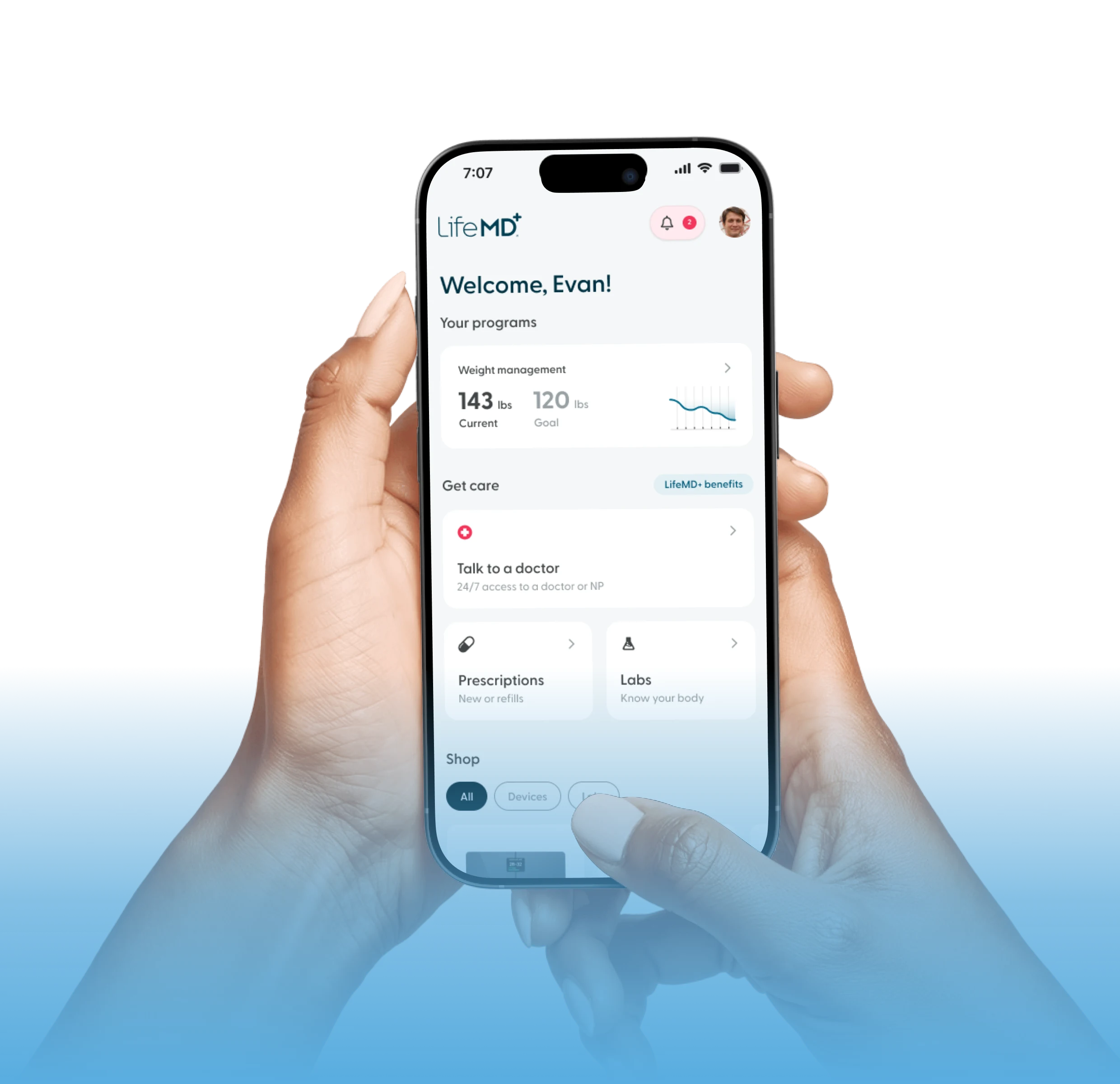
The LifeMD Weight Management Program offers personalized support to help you reach your weight goals. A licensed healthcare provider can work with you to determine if FDA-approved GLP-1 medications are right for your needs.
We also provide oral options other than GLP-1s for weight management.
With guidance and options designed around your health, you can take steps toward weight management that fit your life.