
Is Semaglutide Safe Long-Term? Here’s What Research Shows

As GLP-1 receptor agonists like semaglutide have gained widespread use for weight management, questions about their long-term safety have become increasingly important. Fortunately, extensive research on these innovative medications is providing reassuring answers.
The longest controlled trial (STEP 5) followed nearly 5,000 people using semaglutide for two years and found sustained weight loss with no new safety concerns. Even more impressively, the SELECT trial tracked over 17,000 participants for an average of nearly three and a half years and not only confirmed the medication's safety but also showed it reduced major cardiovascular events by 20% compared to placebo.
While these results are encouraging, they also point to an important note: GLP-1 medications work best with ongoing medical supervision to monitor your individual response and adjust care as needed.
Get prescription weight loss medication — no injection required.
Find out if you're eligible for the Wegovy® pill, and get started on your weight loss journey. Program starting at $75/month .

Side Effects of Semaglutide Over Time
When it comes to side effects, semaglutide has shown a consistent and generally favorable safety profile across dozens of studies involving 60,000 participants. The most common issues are gastrointestinal – such as nausea, vomiting, diarrhea, constipation, and stomach discomfort.
While these effects occur more often than with placebo, they’re typically mild to moderate and tend to improve as your body adjusts to the medication. In fact, the STEP trials found that only 0.8-4.5% of participants stopped treatment because of digestive issues. The key to minimizing these effects is starting low and going slow. That’s why most protocols begin at 0.25 mg weekly and gradually increase the dose every four weeks, giving your system time to adapt.
Extended use of the medication didn't reveal any surprising health risks beyond what was already known from shorter studies. Most side effects, particularly gastrointestinal symptoms, tend to decrease over time as the body adjusts.
What "long-term" means in context
It's important to recognize that while current data extends to two to three years, GLP-1 medications for obesity are relatively new, and we're still learning about effects beyond this timeframe. The consistency of the safety profile across all available studies is encouraging, but obesity is a chronic condition that may require indefinite treatment.
Research has shown that discontinuing semaglutide typically leads to weight regain. In the STEP 1 extension study, participants who stopped semaglutide after 68 weeks regained much of their lost weight over the following 52 weeks, even with continued lifestyle intervention.
While most people can stop semaglutide at any time without experiencing typical withdrawal symptoms, this pattern of weight regain shows that long-term use may be necessary for sustained weight management.
Rare but Serious Considerations
While generally well-tolerated, semaglutide carries important warnings that require medical attention:
Pancreatitis: There's been concern about whether semaglutide increases the risk of pancreatitis (inflammation of the pancreas). However, a large meta-analysis examining over 34,000 patients across 21 studies found no increased risk compared to placebo. That said, pancreatitis has occurred in some patients on GLP-1 medications, which is why the FDA recommends stopping treatment immediately if pancreatitis is suspected and seeking medical attention for symptoms like severe abdominal pain.
Thyroid concerns: Animal studies showed thyroid C-cell tumors in rodents, though human relevance remains uncertain. The FDA requires a boxed warning about this potential risk.
Kidney function: Cases of acute kidney injury have been reported, particularly in patients experiencing severe gastrointestinal symptoms leading to dehydration. Monitoring kidney function is recommended when initiating or increasing doses.
Gallbladder disease: Cholelithiasis (gallstones) and cholecystitis (inflammation of the gallbladder) have been reported in clinical trials. This is consistent with known associations between rapid weight loss and increased risk of gallbladder-related disorders.
Diabetic retinopathy: In patients with diabetes and existing retinopathy, rapid improvement in blood glucose control may temporarily worsen the condition.
Surgical considerations: For patients planning surgery, providers should be informed about semaglutide use due to delayed gastric emptying, which may increase the risk of pulmonary aspiration during general anesthesia or deep sedation.
Contraindications: Who Shouldn’t Use Semaglutide
Semaglutide is contraindicated in specific populations:
Personal or family history of medullary thyroid carcinoma (MTC)
Multiple endocrine neoplasia syndrome type 2 (MEN 2)
Previous serious hypersensitivity to semaglutide
Pregnancy (should be discontinued at least two months before planned pregnancy)
History of pancreatitis
Severe gastrointestinal disease
Diabetic retinopathy
Kidney disease
Depression or suicidal behavior: Providers monitor for new or worsening depression or suicidal thoughts and treatment should be discontinued if these symptoms develop
Please note that it's highly important to discuss your health history with your healthcare provider before taking a GLP-1, especially if any of the above apply to you.
When to Seek Immediate Medical Attention
Be sure to seek immediate in-person medical attention or call 911 if you experience any of the following:
Severe or persistent abdominal pain, especially with vomiting (possible pancreatitis)
Signs of severe dehydration: inability to keep fluids down, extreme dizziness, decreased urination
Sudden vision changes, particularly if you have diabetes or diabetic retinopathy
Symptoms of allergic reaction: difficulty breathing, severe rash, swelling of face or throat
A lump or swelling in the neck, hoarseness, difficulty swallowing, or shortness of breath (possible thyroid tumor)

Foundayo® (orforglipron)
Wegovy® Pill (semaglutide)
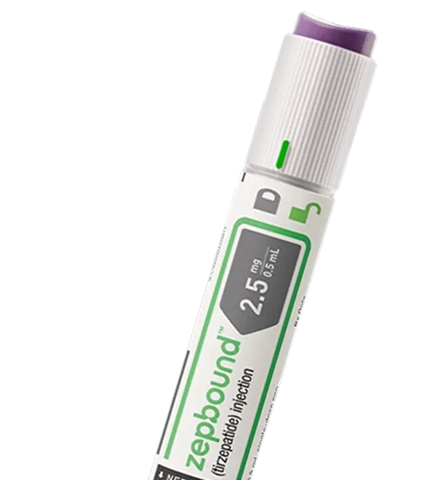
Zepbound® (tirzepatide)
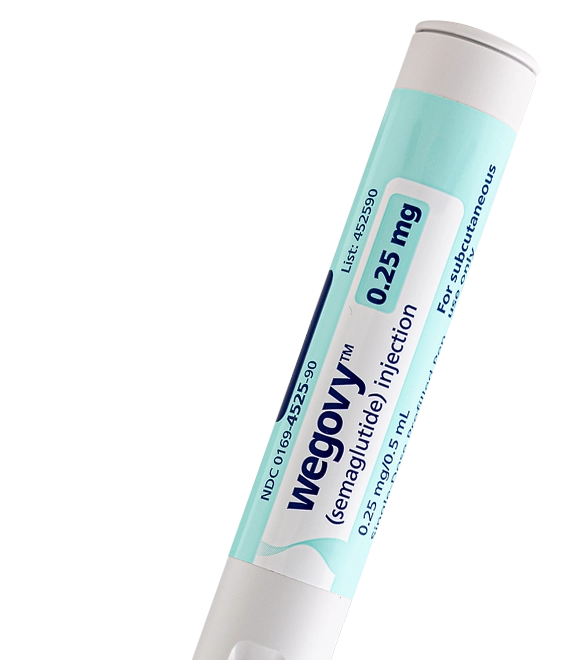
Wegovy® (semaglutide)

Saxenda® (liraglutide)
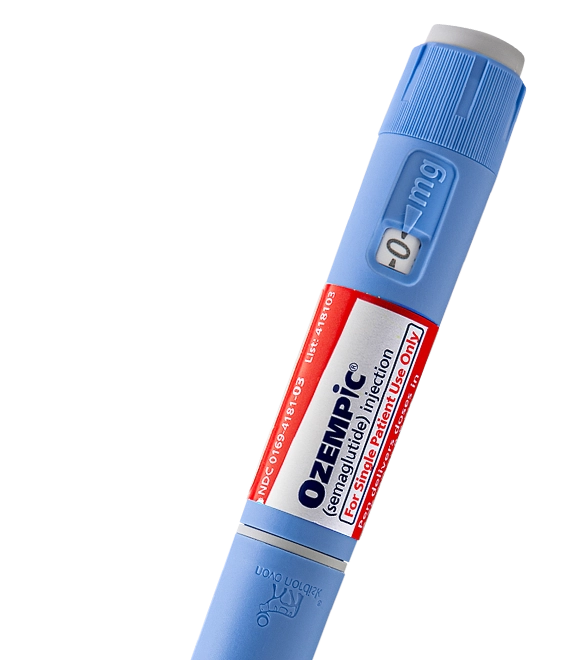
Ozempic® (semaglutide)
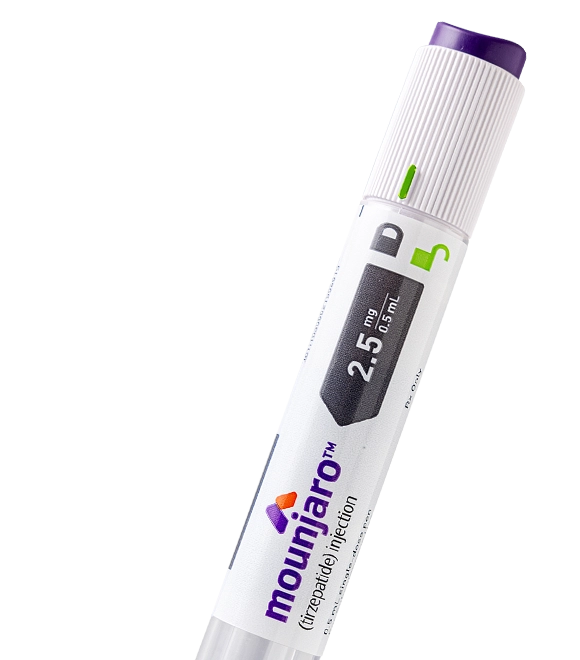
Mounjaro® (tirzepatide)
Recommended Monitoring for Safe Long-Term Use
Safe, effective treatment with semaglutide requires consistent medical supervision at every stage. Before you start, your provider should conduct a complete medical history and physical exam, along with baseline lab work to screen for any contraindications or risk factors.
During the first 16-20 weeks while your dose is being gradually increased, you'll need closer monitoring. Your provider should check in on gastrointestinal side effects, assess how well you're tolerating each dose increase, watch for signs of dehydration or kidney issues, and if you're taking other diabetes medications, keep an eye on your blood sugar levels.
Once you're on a stable maintenance dose, expect regular follow-up visits every three to six months. These appointments typically include periodic lab work to track metabolic changes, weight and waist measurements, cardiovascular risk factor monitoring, and ongoing assessment of any side effects. This structured approach ensures the medication is working effectively while catching any concerns early.
How LifeMD Supports Safe Long-Term GLP-1 Use
LifeMD's Weight Management Program provides a comprehensive care structure that supports safe semaglutide use. The program includes access to licensed healthcare providers who conduct thorough medical evaluations, order necessary lab work, and provide regular follow-up appointments.
Through virtual consultations, members receive personalized treatment plans that combine FDA-approved GLP-1 medications like Wegovy (semaglutide) with metabolic testing and lifestyle support. The program also includes complimentary "6S appointments" focused on six key health areas, including nutrition and fitness.
For patients prescribed semaglutide, LifeMD facilitates insurance verification to help make treatment more affordable. The Weight Management Program starts as low as $75/month for annual plans (program fee; medication cost is separate and depends on insurance coverage or self-pay options).
See if you qualify today.