
The Symptoms Doctors Miss in Menopause: Finding Providers Who Get It

Quick Read
If you've mentioned anxiety, bloating, or mood changes to your doctor and felt brushed off, you're not imagining it. Most providers haven't been trained to connect these symptoms to menopause. Estrogen directly affects serotonin and dopamine, which control mood and anxiety, but because conventional medical training historically skipped menopause education, these symptoms get attributed to stress or diet instead. Finding the fix isn't up to you, but finding a licensed menopause provider who understands how hormones affect your whole body, can be the first real step toward feeling better.
You tell your doctor you're feeling anxious – something you've never struggled with before – and the doctor suggests you need to manage stress better. When you mention bloating that won't go away despite eating well, the doctor blames your diet or lack of exercise. When you mention your mood swings and irritability, the doctor wonders if you should talk to a therapist or take medication. Each conversation feels like a piece of the puzzle, but nobody's putting it all together. This is because conventional medical training doesn't teach doctors to see these symptoms as interconnected and affected by your hormones.
The menopause symptoms you're experiencing often aren't subtle. They're real, disruptive, and happening for a biological reason. But they're also some of the easiest for providers to miss, dismiss, or attribute to something else entirely. If you've felt overlooked in conversations about your health, you're not alone.
Why Do Doctors Miss These Symptoms?
Dr. Karen Koffler, Clinical Chair of Women's Health and Integrative Medicine at LifeMD, points to a fundamental gap in medical training. Most physicians, even OB-GYNs, don't receive specialized education about menopause. "You really don't have a women's health education program woven into medical schools or even residencies," she says. "Doctors studying OB-GYN as residents for the most part, do not get specialized menopausal education."
This gap means most providers haven’t necessarily been trained to connect mood changes, digestive symptoms, or anxiety spikes to hormonal decline. So when you describe these symptoms, they may be filtered through other frameworks (stress, diet, mental health), rather than through a hormonal lens.
The result is feeling dismissed, or worse, you start to wonder if the problem is you.
"There's an under-appreciation as to the important roles that estrogen and progesterone play throughout the body and in particular, brain health," Dr. Koffler says. These hormones affect far more than your cycle, she says. They influence mood, digestion, anxiety regulation, metabolism, and more.
But when you describe symptoms separately across different doctor appointments, the dots never get connected as part of the same hormonal pattern. You end up with fragmented treatment: therapy for anxiety, dietary advice for bloating, stress management tips for irritability. The root cause stays unaddressed.
Feel Like Yourself Again
Connect with a licensed menopause provider who can help you understand your symptoms and determine if hormone replacement therapy is the right next step.


What Symptoms are Being Overlooked?
Anxiety and mood changes
Waking up anxious is one of the most common menopause symptoms women experience. But it's also one doctors least expect. Anxiety doesn't fit neatly into menopause conversations the way hot flashes do, so women often don't bring it up, and providers often don't think to ask.
Dr. Koffler explains,"There's a direct impact of estrogen on serotonin production, dopamine production. These hormones that really control our mood, levels of anxiety. So when you have fluctuating levels of those hormones, it is very likely a woman is going to experience mood issues and anxiety."
Women typically chalk this up to stress, and doctors often do too. And while often at this stage of a woman’s life there is much going on, stress alone may not explain why suddenly you're anxious in situations that never bothered you before, or why you wake at 3 a.m. with racing thoughts.
Bloating and digestive changes
Bloating is surprisingly common during menopause, yet women rarely connect it to their hormones. Constipation is another symptom that doesn't get attributed to hormonal change, even though it's often a direct result of declining estrogen and progesterone.
Weight gain around the midsection
Weight gain during midlife is common, but many people attribute it to aging alone, without considering how hormones may play a part. Dr. Koffler notes: "Despite doing everything they can, that weight just seems to accumulate in our mid-section, otherwise referred to as a “muffin top”. And there's very good reason for that from an estrogen standpoint." But when women mention this to their doctors, they're usually told to eat less or exercise more – advice that doesn't address the hormonal driver.
Irritability and low frustration tolerance
One of the symptoms Dr. Koffler sees most often is that women suddenly can't handle day-to-day stressors the way they used to. "I've taken care of women who are highly accomplished, who are running businesses, who are taking care of families, who are now struggling with day-to-day operations, and they don't realize that it's actually their hormones that are contributing to that."
This is the symptom that makes women question themselves most. If you used to be able to multitask and handle stress effortlessly, and now you're irritable over small things, you may start to blame yourself.
How Do You Talk to Your Provider About Your Menopause Symptoms?
The first step in talking to your provider is presenting your symptoms as a connected pattern rather than separate problems. Describe anxiety, bloating, and mood changes together, as changes that started around the same time, and may be connected to hormonal shifts.
Be specific about the timeline:
When did you first notice these changes?
Are they getting worse?
Do they correlate with your cycle (if you still have one)?
You can share what you've learned about how estrogen affects serotonin and dopamine. You can mention that these symptoms are recognized parts of perimenopause and menopause.
Most importantly, gauge your provider’s openness. "Is your doctor willing to have the conversation and learn with you through this?" Dr. Koffler asks. "If not, it's time to move on."
Finding a Provider Who Gets It
Not all providers are the same. Look for providers who:
Ask about mood, anxiety, and digestive changes when discussing menopause
Connect symptoms across different body systems rather than treating them in isolation
Are willing to explore hormone therapy as an option
Take a whole-health approach that includes lifestyle alongside medical treatment
Dr. Koffler's advice is direct: "Someone in your circle is working with someone who's open to working in this way, who's open to addressing menopause at all the different levels, not just hormones, but at every different level."
The point is to actively seek out someone whose training and approach align with understanding these overlooked symptoms.
How Can LifeMD Help?
If you've felt dismissed, misunderstood, or blamed for symptoms that are actually hormone-driven, it's likely a reflection of a training gap in medicine. But fortunately, that gap is closing. More providers are pursuing menopause education. More women are talking openly about these symptoms, which makes providers more likely to ask the right questions.
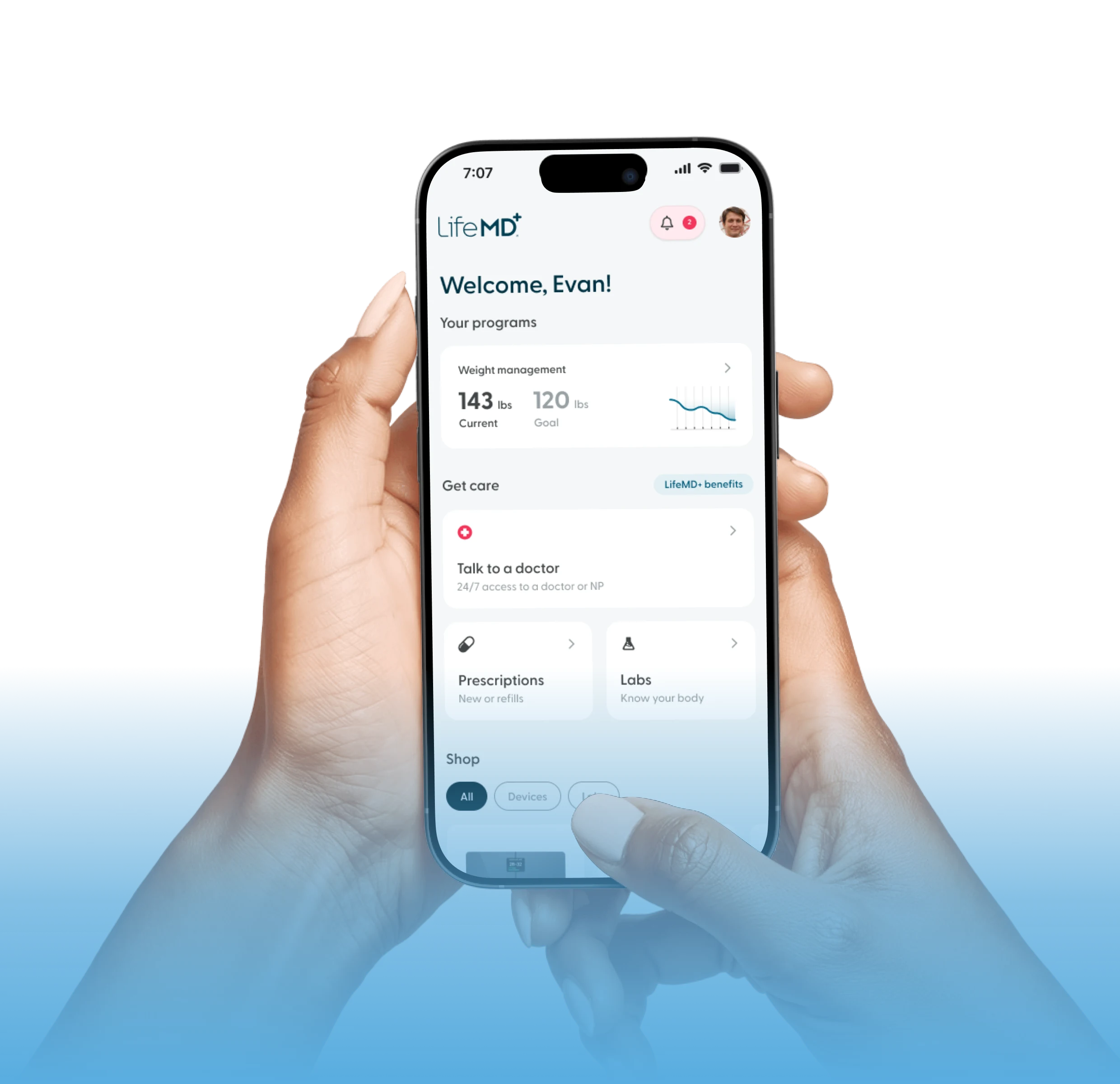
Being your own advocate is how you move forward. That’s why the LifeMD Women's Health Program connects you with licensed menopause providers who listen. They review your full symptom picture and health history, work with you to identify patterns, and determine which treatment (or combination of treatments) can help you find relief from uncomfortable menopause symptoms. And with ongoing follow-up care, you're supported through the process.
Take the free assessment to see if you qualify.
Want to hear more? To learn more about Dr. Karen Koffler's full conversation, listen to this podcast episode.
The information provided is not a substitute for professional medical advice and is for informational purposes only. Availability of specific treatments and offerings varies by state. Medications prescribed if clinically appropriate based on completion of required consultation.