
“I Finally Felt Like Myself Again": What Changes When You Start HRT

Quick Read
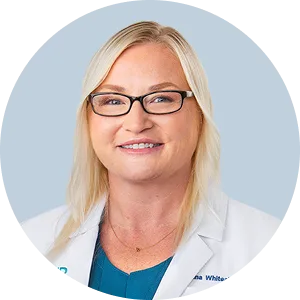
Meet Kerry and Karen, two LifeMD patients who struggled with anxiety, brain fog, fatigue, and mood swings for years without realizing their symptoms were hormone-related. After starting HRT with LifeMD, both experienced relief within days and transformation within weeks. They share their stories alongside insights from Dr. Karen Koffler, Clinical Chair of Women's Health and Integrative Medicine at LifeMD, and Dr. Doug Lucas, Clinical Lead Bone Health and Longevity Medicine, who explain what happens when you start hormone therapy and why ongoing care matters.
Karen’s panic attack happened in the middle of a store while she was trying to complete a simple task. Anxiety hit so hard she couldn't breathe. When she made it to her car, she had to scream to relieve the pressure.
"I wanted to do anything to find relief," she says now. "I was afraid I was going to lose my job. I was afraid I was going to ruin my partnership. I had a trip coming up and I didn't think I could make it without some type of help. I needed it now."
This wasn't Karen's first breaking point. For years, she'd been angry and irritable in ways that didn't feel like her, but she didn't realize what was happening.
Missing the Hormonal Connection
Now age 42, Karen had been asking her gynecologist the same question since she was 38: "How do I know when I'm in perimenopause? How do I know when a hormone shift is happening?"
Every year, like clockwork, she got the same answer: "We're all in perimenopause until we're in menopause." It was technically true. It was also completely unhelpful.
With no guidance from her doctor, Karen chased the wrong solutions. She got another doctor to prescribe her antidepressants and anxiety medication. And while these helped her function, they didn't touch what was actually wrong. "I guess I'm stable. I guess I'm functioning," she remembers thinking. "I'm just angry and bitter all the time."
Kerry had a different version of the same experience. She had no energy and brain fog so thick she couldn't think clearly. She had no interest in cooking or decorating, or any of the things she used to love. She was tired all the time. "I knew I had to do something about it," she says.
What Karen and Kerry didn't know (and what their doctors didn't help them understand) is that their brains were screaming for estrogen.
Dr. Karen Koffler explains: "There's a direct impact of estrogen on serotonin production, dopamine production… These hormones that really control our mood, levels of anxiety." When estrogen fluctuates wildly during perimenopause, she says, everything tied to those neurotransmitters destabilizes.
"I've taken care of women who are highly accomplished, who are running businesses, who are taking care of
families, who are now struggling with day-to-day operations, and they don't realize that it's actually their hormones that are contributing to that," Dr. Koffler says.
Most physicians – even OB-GYNs – don't receive specialized education about menopause. So when women describe mood changes, anxiety, or brain fog, these symptoms get filtered through other frameworks, like stress, mental health, diet. The hormonal connection never gets made. And women get told to manage better, try harder, or see a therapist, when what they really need is someone who understands hormones.
Feel Like Yourself Again
Connect with a licensed menopause provider who can help you understand your symptoms and determine if hormone replacement therapy is the right next step.


Finding a Provider Who Actually Listens
Karen had spent months at her breaking point, getting no answers, and no real help. So she did what millions of women do and Googled it herself.
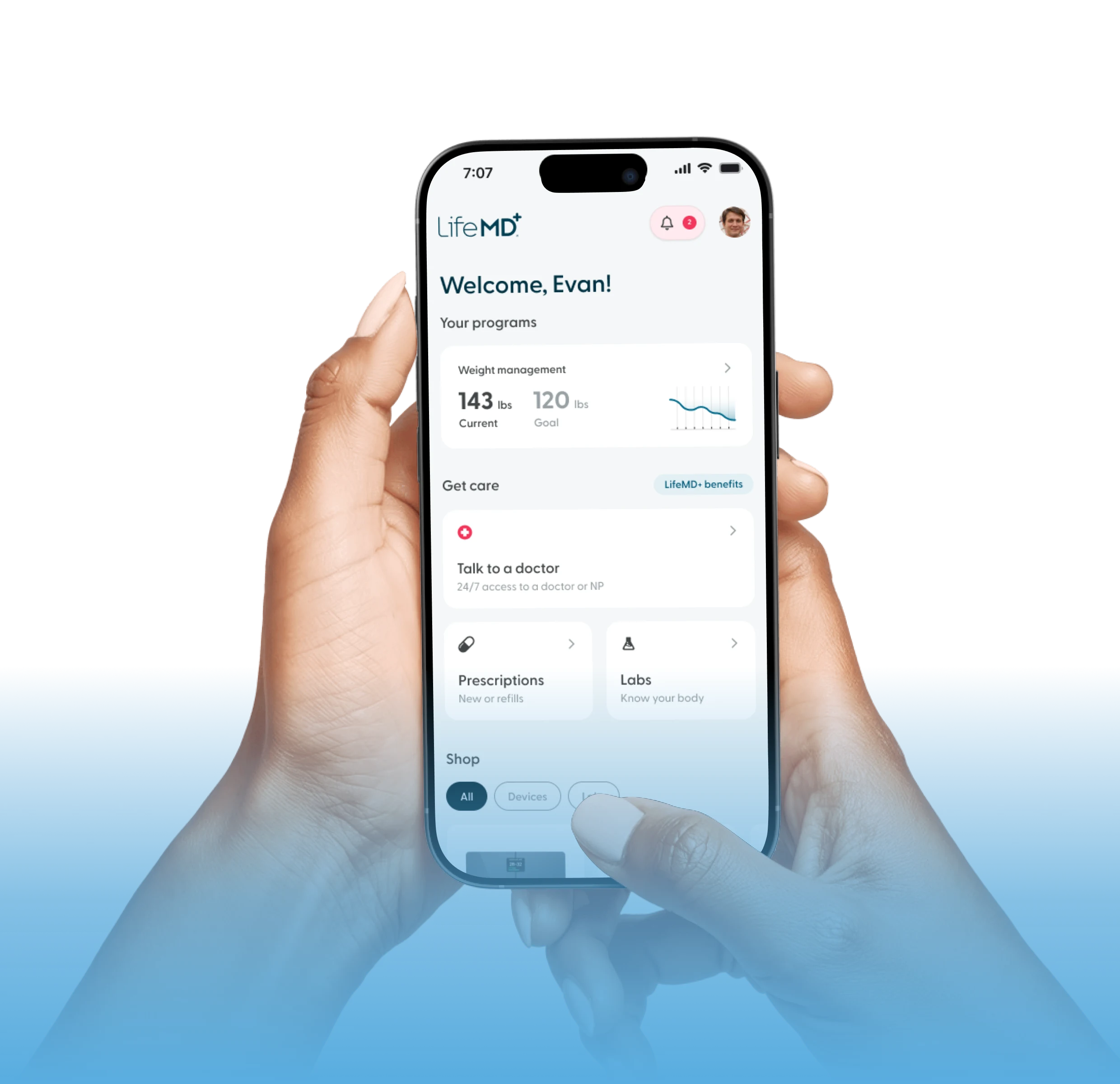
"I didn't think you could do hormone therapy via the web," she says. "I thought you had to go to a gynecologist. I didn't even know to ask my primary care doctor." But after years of struggling, LifeMD’s Women's Health Program came up in Karen’s search. She booked a video consultation with a provider and began HRT.
The difference was immediate. "They heard my story," she says. "They saw the panic on my face. They didn't question me. They understood right away that I needed help."
This is what Dr. Koffler emphasizes about provider quality, "In the past, women experienced menopause sort of in an isolated way. There were limited options. Very few physicians really knew how to guide [you] through, how to help you think about what you were experiencing, and how to protect you."
Today, she says, is different. "We have providers at LifeMD that really understand what this period of time is about, how to address the symptoms that come up, and how to address women's risk factors so we can prevent many of the health issues that older generations have had to experience that were completely unnecessary."
Many women hesitate to start hormone therapy because they've heard about a potential breast cancer risk. Dr. Koffler addresses this directly: "We have shown that an increased risk of breast cancer from hormone therapy is not true, and in fact in certain cases, it may be protective."
For those suffering with severe hot flashes and night sweats, the relief can be transformative. "[Women] have gone on hormone therapy and have been so grateful because they were suffering from hot flashes and night sweats that were really interrupting their sleep and just making them miserable,” says Dr. Koffler. "Going on hormone therapy really was a game changer."
The decision to start matters less than finding a provider willing to listen, understand your full picture, and work with you through the process.
Starting HRT: What Happened in the First Days
Karen’s journey with HRT took a typical course. At the start, she was put on an estrogen patch and a micronized progesterone pill. Within days, something shifted.
"All of a sudden my shoulders were back," she describes. "My head was higher. I had a new outlook on life. I felt so much more confident and just…relief. And it was all at once. I actually saw the sun shining and this pressure on my chest was gone."
This immediate relief is common, though not universal. Dr. Doug Lucas, Clinical Lead Bone Health and Longevity Medicine, explains what to expect. "The most common unexpected thing I hear for women starting on HRT is how good they feel, how well they think, how much energy they have, how much better their sleep is, how much more stable their mood is."
Some symptoms respond almost instantly. "Hot flashes and night sweats, we can see improvement in days to weeks," Dr. Lucas says. Karen noticed her night sweats (which she'd been told were side effects from antidepressants) began to ease almost immediately. "I'm not waking up soaking wet, hair looking like I just got out of the shower when really I just crawled out of bed."
The timeline varies by symptom. Hot flashes and night sweats typically respond fastest. "We commonly hear reduction in hot flashes and night sweats within days to weeks," Dr. Lucas says. Besides lessening of hot flashes, women often see other improvements, including clearer thinking, better mood, restored energy, and build more gradually over weeks and months.
Reclaiming Your Life: What Happens Later
Kerry’s path to feeling better was also swift. By her second appointment, her dose was adjusted. Within two weeks, everything shifted.
"I had more energy, brain fog was gone, and I finally got my interest back on things like cooking, decorating my house, and even started gardening this summer." she says. “It's little things, but for me it was huge."
More importantly, "I was showing more affection to my boyfriend. It's not totally back, but it's better and I'm getting there. He sees a big difference in me."
This is what Dr. Koffler means when she describes how hormone therapy changes patients’ lives. "I've had patients that we've used hormone therapy on, including testosterone, who had been feeling sort of diminished, insecure, less competent cognitively. And once we started hormone therapy, including low-dose testosterone, [they] felt much, much more like themselves, much more confident, more amorous, and much more effective."
Karen experienced this same transformation. "I'm kinder," she says simply. "I can speak normally again. I don't have brain fog. I wake up happy every day."
HRT and Long-Term Health: More Than Symptom Relief
What many women don't realize is that hormone therapy does two things at once.
"Hormone therapy is really twofold in its purpose," Dr. Koffler explains. "One is the alleviation of symptoms, and that's often what drives a woman into our care. The other is to be proactive and preventive, to ascertain what a woman might be at risk for, whether it's cardiovascular disease, bone loss, brain health, hypertension, or other common diseases associated with aging. And knowing that beforehand, we can be proactive and preventive."
This matters because the hormone changes of menopause don't just affect how you feel today. They affect your long-term health. Without proper support, many women develop conditions – such as osteoporosis, heart disease, or cognitive decline – that weren't inevitable. They were preventable.
LifeMD's Approach to Women's Healthcare
Starting hormone therapy is one thing. Staying on the right dose, adjusting as your body responds, and ensuring your treatment is actually working – that's where many women get left behind.
"Follow-up is essential when it comes to taking hormones," Dr. Koffler says. "We want to know how your levels are doing, we want to know how you're feeling, and we want to be able to adjust the medication appropriately so that you can feel your best, we can reduce symptoms, and we can protect you from disease."
This is fundamentally different from traditional care, where you get a prescription and leave without further support. At LifeMD, ongoing monitoring is built into the model. According to Dr. Lucas, "Your provider can work with you through messaging consultations or face-to-face visits – whatever works for your schedule – to understand if what you're experiencing is on track with what we would expect, and to adjust your treatment as needed."
For Karen, this meant immediate support when she needed it. For Kerry, it meant dosage adjustments that made all the difference in how quickly she felt relief. The difference between "I'm on HRT" and "HRT is actually working for me" often comes down to whether a provider is actively monitoring and adjusting along the way.
With LifeMD, hormone therapy isn’t a one-time prescription. It's an ongoing partnership between you and a provider who's invested in making sure the treatment is optimized specifically for your body and your life.
Finally Feeling Like Yourself Again
Kerry sums it up plainly: "I'm a happier person now. Compared to before this journey, I was so unhappy and miserable. It changed my life because your attitude affects your friends, family, and kids. But for me, I got my energy back, and for me, energy is everything. It's the root of it all."
Karen's gratitude runs deep: "I found LifeMD, took a chance, and it literally saved my life. I credit them for everything. You literally are saving my life."
What changed wasn't just that these women’s symptoms went away. It's that they got themselves back. The versions of themselves they'd been losing to hormonal decline for years suddenly returned with clarity, energy, confidence, and joy.
This is what happens when you stop chasing the wrong solutions and finally address the root cause. When you find a provider who listens. When you trust that what you're experiencing is real, biological, and fixable.
"I wish I would have done it years ago," Karen says. "I had no idea."
That's the message women need to hear: You don't have to struggle through perimenopause and menopause. You don't have to accept anger, brain fog, anxiety, and exhaustion as just part of aging. There's relief, and on the other side of it is yourself, the version you thought you'd lost.
The information provided is not a substitute for professional medical advice and is for informational purposes only. Availability of specific treatments and offerings varies by state. Medications prescribed if clinically appropriate based on completion of required consultation.