
What is GSM? Understanding Vaginal Dryness and Pain During Menopause
Quick Read
As estrogen drops during menopause, the tissue supporting your vaginal and urinary health gets thinner and drier. This is a condition called genitourinary syndrome of menopause, or GSM. It's incredibly common, affecting 25-60% of people going through menopause, and it's completely treatable. Whether you're dealing with dryness, painful sex, urinary urgency, or a mix of these, you have options ranging from over-the-counter solutions to prescription treatments.
As estrogen drops during menopause, the tissue supporting your vaginal and urinary health gets thinner and drier. This is a condition called genitourinary syndrome of menopause, or GSM. It's incredibly common, affecting 25-60% of people going through menopause, and it's completely treatable. Whether you're dealing with dryness, painful sex, urinary urgency, or a mix of these, you have options ranging from over-the-counter solutions to prescription treatments.
Menopause symptoms like hot flashes, mood changes, sleep disruption tend to dominate conversations. But there's another significant change happening during menopause that affects millions of women and rarely gets talked about. It’s called genitourinary syndrome of menopause, or GSM.
GSM is a cluster of symptoms affecting the vagina, vulva, and urinary system that happens as estrogen levels decline during perimenopause and menopause. It affects between 14-87% of women going through menopause. And yet, it remains one of the most underdiagnosed and undertreated aspects of menopausal transition.
This article breaks down what GSM is, why it happens, how it shows up in real life, and why understanding it matters for your health and quality of life.
What Happens to Your Vaginal Tissue During Menopause?
To understand GSM, it’s important to know what estrogen does in your reproductive tissues. Estrogen isn't just about reproduction. It's one of the primary hormones that keeps the tissue lining your vagina, vulva, and urinary tract healthy, elastic, and well-lubricated. Estrogen supports blood flow to these areas, maintains the thickness of the tissue, and helps keep the pH balanced, which protects against infection.
During menopause, your ovaries stop producing estrogen. This happens gradually (in perimenopause) or more suddenly (in surgical menopause). When estrogen drops, all of that support system diminishes. The tissue becomes thinner and more fragile, blood flow decreases, natural lubrication production drops, and the environment becomes less acidic, which can shift your vaginal flora. These changes happen in the vaginal tissue, the vulva (the outer tissue), the urethra (where you pee), and the bladder.
None of these changes are abnormal or a sign that something is wrong with you. They're a direct result of lower estrogen. And importantly, they're treatable.
How Does GSM Show Up?
GSM can show up in a lot of different ways. Some people experience all of these symptoms, others just a few. These are the most common symptoms.
Vaginal dryness
This is often the first symptom people notice. The vagina feels dry to the touch and doesn't produce as much natural lubrication. This can happen during arousal too, even when a person is mentally interested in sex, which can be confusing and frustrating.
Discomfort during sex
When the vaginal tissue is thinner and drier, penetrative sex can feel uncomfortable or outright painful. This can range from mild discomfort to significant pain. Some people also experience discomfort that shows up after sex — sometimes hours or even days later.
Itching and irritation
The vulva and vaginal opening can feel itchy, burning, or irritated. This might get worse during sex or with friction from clothing.
Urinary symptoms
Lower estrogen affects the urethra and bladder too. You might notice increased urinary urgency or frequency, burning with urination, or recurrent urinary tract infections. Some people develop urinary incontinence, where urine leaks with coughing, sneezing, or exercise.
Vaginal atrophy
This is the medical term for when vaginal tissue becomes thinner, paler, and loses elasticity. It's not dangerous, but it does make tissue more prone to irritation and infection. The condition is also called atrophic vaginitis when inflammation develops as a result.
It's worth knowing that not all vaginal symptoms during menopause are GSM. An irritation could be a yeast infection, bacterial vaginosis, or a skin condition. That's why if symptoms are new or unusual, it makes sense to check in with your doctor to rule out other causes.
Why Doesn't Anyone Talk About GSM?
GSM affects millions of women, but many suffer in silence. Partly, that's cultural, since vaginal health and sexual pleasure aren't topics most people feel comfortable discussing freely. But there's also a clinical gap: many healthcare providers don't ask about these symptoms, and many patients don't volunteer them, assuming they're just part of aging.
This is changing, slowly. Major medical organizations now recognize GSM as a valid medical condition that impacts quality of life and sexual health. But the change in awareness hasn't caught up everywhere yet.
Could This Be Low Libido Instead of GSM?
GSM is not the same as low sexual desire or loss of interest in sex. Some people with GSM have zero interest in sex for other reasons (stress, relationship issues, depression, medication side effects). Others have plenty of desire but can't act on it because of physical discomfort. These are different problems that might need different approaches.
How Can You Treat GSM?
GSM can be managed effectively. Depending on the severity of symptoms and what you're looking for, treatment options for GSM may include anything from HRT to lifestyle support.
Lifestyle and over-the-counter support
Regular sexual activity actually helps maintain blood flow and vaginal tissue health. Vaginal moisturizers can be used regularly to add moisture to the vaginal tissue. Lubricants used during sex reduce friction and discomfort. These aren't treating the underlying cause, but they can make a real difference in comfort.
Vaginal estrogen
Vaginal estrogen comes in several forms: creams, tablets, or rings. These deliver a small amount of estrogen directly to the vaginal tissue, which restores thickness and lubrication. Systemic absorption is minimal, making this option suitable for most women, including those who can't take systemic hormone therapy.
Systemic hormone replacement therapy (HRT)
If you're taking hormone replacement therapy for other menopause symptoms, this also addresses GSM because it raises estrogen levels throughout your body.
Non-hormonal prescription options
There's an FDA-approved non-hormonal oral pill (ospemifene) for moderate to severe symptoms, and other options are emerging.
Vaginal laser and radiofrequency devices
These are marketed for vaginal rejuvenation, but the evidence for their effectiveness in GSM is still being evaluated. Many major medical organizations note that more research is needed.
The right treatment is the one that fits your symptoms, preferences, and health history. What works for one person might not work for another.
What If GSM isn't Your Only Menopause Symptom?
GSM doesn't exist in isolation. It's part of the larger menopausal transition. For some people, GSM is the most bothersome symptom of menopause. For others, it's one piece of a bigger picture that includes hot flashes, mood changes, and sleep disruption.
How you approach GSM might depend on what else is going on. If you're already considering hormone therapy for hot flashes, that treatment addresses GSM too. If you'd prefer to avoid systemic hormones, you have local options. If you're managing multiple symptoms, that conversation might look different than if GSM is your primary concern.
What matters is that you know GSM is real, it's common, and it's treatable. You don't have to just accept it, and you shouldn't feel awkward bringing it up with your provider.
How LifeMD Can Help
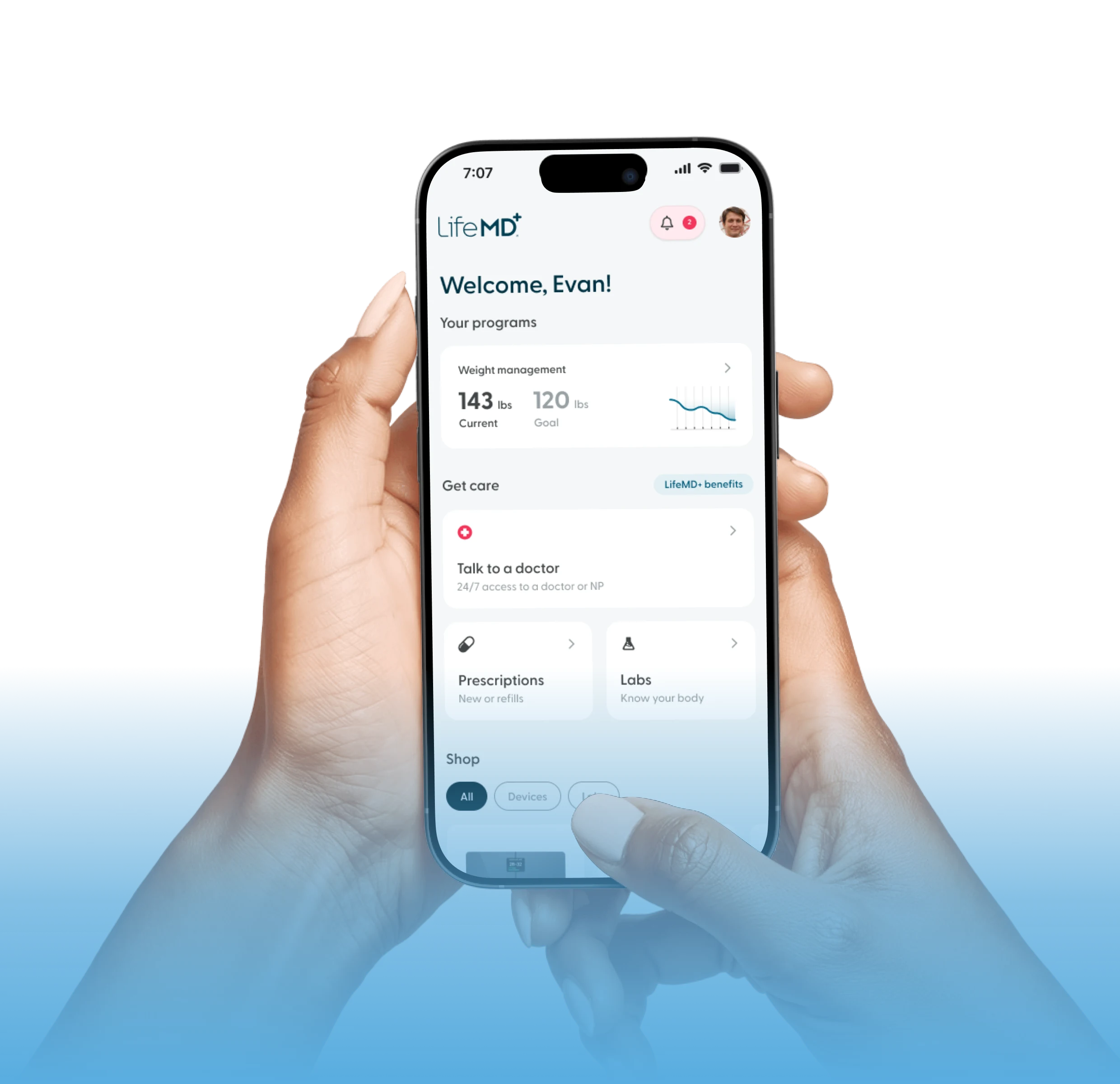
If GSM is affecting your quality of life, you don't have to manage it alone. The LifeMD Women's Health Program connects you with licensed menopause providers online who can discuss treatment options tailored to your needs – from estrogen cream to systemic hormone therapy, when medically appropriate.
Take the free assessment to see if you qualify.