Schedule
Book a telehealth appointment from wherever you are. No insurance necessary.

 Main Menu
Achieve your weight-loss goals with GLP-1 treatments like Wegovy® and Zepbound®, guided by licensed providers every step of the way.
Personalized care for women, with HRT and lifestyle support to ease menopause symptoms and restore balance.
Personalized care for men, with treatments for testosterone, sexual health, hair loss, and more.
Simple, supportive mental health care on your terms, including access to prescription medication when appropriate.
Care without the wait—connect 24/7 with licensed providers for same-day prescription refills and common concerns like colds, flu, rashes, and more.
Talk to a doctor anytime, anywhere — 24/7 urgent & primary care with a telehealth visit in under one hour.
Get your medication prescribed online and sent same-day to your local pharmacy for pickup.
Save time, money, and the hassle — no in-person visits or insurance required.


Prescription treatments are tailored to your specific condition, ensuring effective relief.

Urgent evaluation is crucial to identify your condition early and prevent complications.
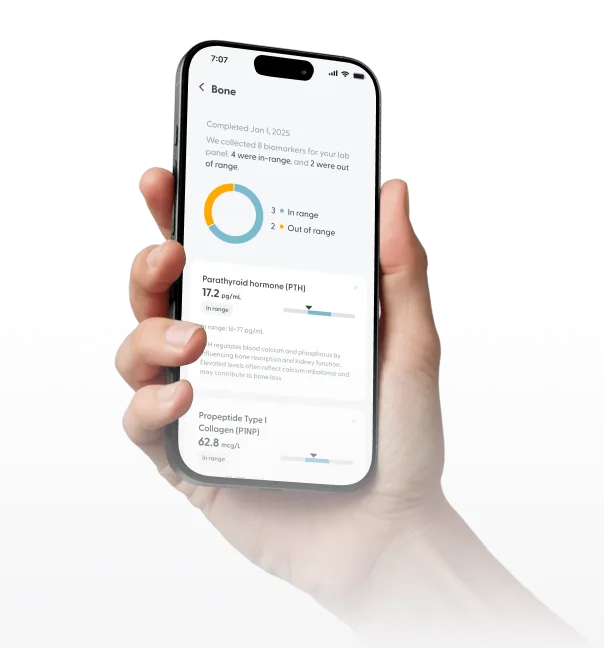
Accurate testing, if needed, can confirm your diagnosis and guide the best course of treatment
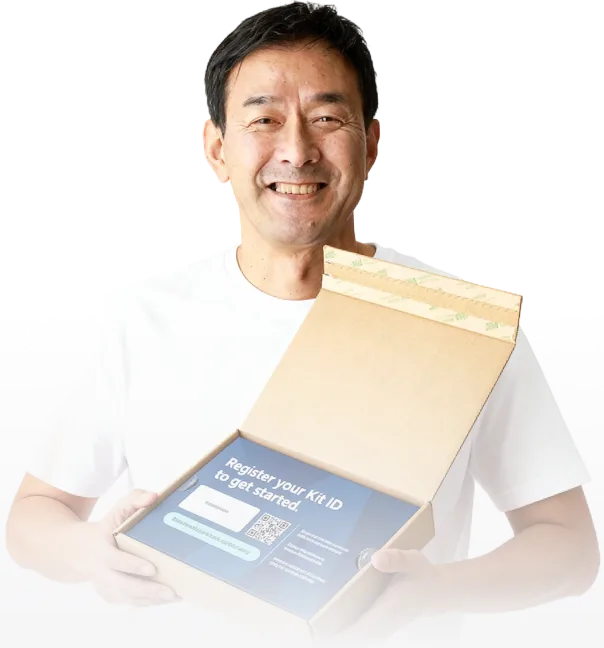
Licensed providers can send prescriptions to your local pharmacy within an hour, day or night.
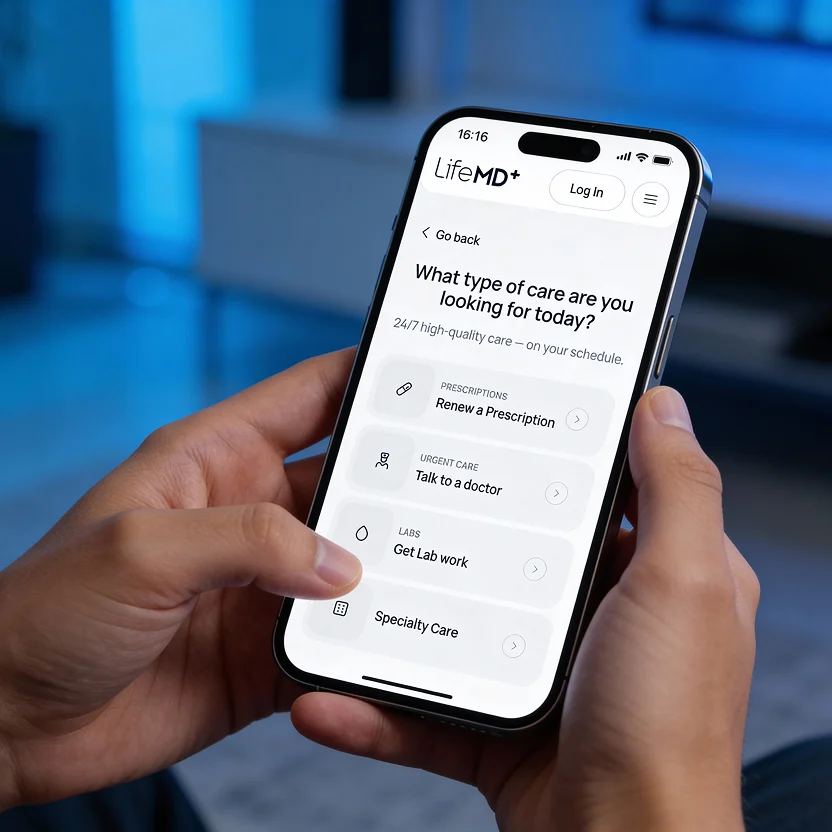
step 1
Book a telehealth appointment from wherever you are. No insurance necessary.

step 2
Meet with a board-certified doctor or nurse practitioner from your mobile device.
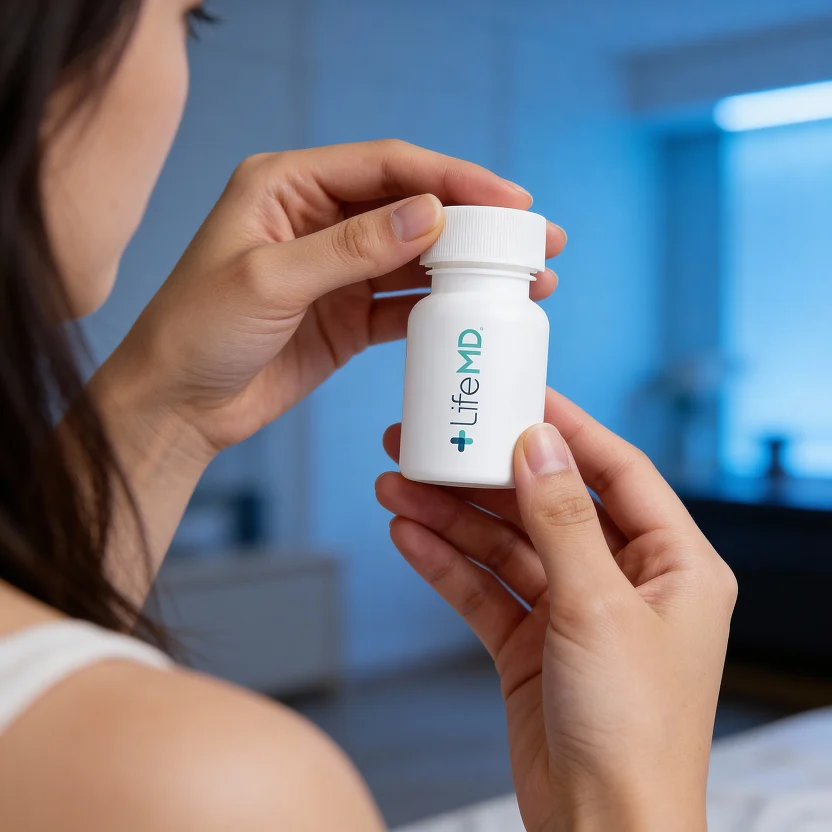
step 3
Get a prescription if needed (save up to 90%), and pick it up at your pharmacy.
Premenstrual syndrome (PMS) is a combination of physical, emotional, and behavioral symptoms that occur in the one to two weeks before menstruation and typically resolve once the period begins. Many people confuse PMS with premenstrual dysphoric disorder (PMDD) or general menstrual cramps. PMS involves a range of symptoms including mood changes, bloating, and breast tenderness that occur before menstruation and are related to hormonal fluctuations, whereas PMDD is a more severe form with debilitating mood symptoms, and menstrual cramps (dysmenorrhea) are pain specifically during the period itself.
PMS can cause uncomfortable symptoms such as mood swings, irritability, anxiety or depression, fatigue, bloating, breast tenderness, headaches, food cravings, trouble sleeping, and difficulty concentrating in the days leading up to menstruation.
Getting the right treatment plan for PMS can help manage symptoms, improve your quality of life during the premenstrual phase, and reduce the impact on your daily activities and relationships. With LifeMD, you can get immediate help and treatment online without an in-office appointment. Prescription medications can effectively manage PMS symptoms and help you feel more like yourself throughout your entire cycle.
Get Started Get Started
Total Cholesterol

37 mg/mL
In range

LDL (Low-Density Lipoprotein)
47 mg/mL
In range

Triglycerides
158 mg/mL
Above range


Drospirenone-ethinyl estradiol is a combination birth control pill specifically FDA-approved for treating PMDD and can also help with PMS symptoms. It works by stabilizing hormone levels throughout the menstrual cycle and contains drospirenone, a progestin with mild diuretic properties that helps reduce bloating and water retention. It's taken daily and helps regulate mood swings, reduce physical symptoms like breast tenderness and bloating, and prevent the hormonal fluctuations that trigger PMS. It's particularly effective for women who experience significant emotional and physical PMS symptoms.
Sertraline is a selective serotonin reuptake inhibitor (SSRI) antidepressant that works by increasing serotonin levels in the brain, helping to stabilize mood and reduce the emotional symptoms of PMS like irritability, anxiety, sadness, and mood swings. For PMS treatment, it can be taken daily throughout the month or only during the luteal phase (the two weeks before your period) depending on symptom severity. It's particularly effective for women whose PMS primarily involves significant mood-related symptoms and is one of the most well-studied medications for premenstrual mood disturbances.
Spironolactone is a diuretic medication that works by blocking aldosterone, a hormone that causes the body to retain water and sodium. It's particularly effective for reducing bloating, water retention, and breast tenderness associated with PMS. It's typically taken daily or just during the premenstrual phase when symptoms occur. While primarily used for fluid retention, some women also notice improvements in hormonal acne and other PMS-related symptoms. It helps reduce the uncomfortable feeling of puffiness and swelling that many women experience in the week or two before their period.
“Dr. Puopolo is a very knowledgeable doctor with vast experience in different medical fields. I feel I am in good hands.”
Verified Patient

“Great experience!! Never have done online telehealth before but for sure will again :)”
Verified Patient
“Dr. Culpepper was amazing. He explained things to me that I didn’t understand.”
Verified Patient
“Dr. Sehgal was amazing! Super helpful. She was answering my questions before I even asked. Very happy I picked her.”
Verified Patient
"The appointment went great. It was quick and easy, and the doctor was right on top of things!"
Verified Patient
Reviews shown are from verified LifeMD patients across various services. Photos are for illustrative purposes only.

PMS symptoms typically begin one to two weeks before menstruation starts (during the luteal phase of the menstrual cycle) and usually resolve within a few days after your period begins. For most women, symptoms are most intense in the two to three days immediately before their period and improve significantly once menstrual flow starts. The duration can vary from person to person. Some women experience symptoms for just a few days, while others have them for up to two weeks each cycle. The severity also fluctuates, with some months being worse than others. If symptoms persist throughout your entire cycle, don't improve once your period starts, or are severely debilitating, you may have PMDD (premenstrual dysphoric disorder) or another condition, and should consult a healthcare provider for proper evaluation and treatment.
The most common PMS symptoms include mood changes like irritability, anxiety, mood swings, and feeling sad or tearful. Physical symptoms frequently include bloating and water retention, breast tenderness and swelling, headaches, fatigue and low energy, food cravings (especially for sweets or salty foods), and changes in sleep patterns.
Many women also experience difficulty concentrating, acne breakouts, digestive issues like constipation or diarrhea, and joint or muscle pain. Emotional symptoms can include increased sensitivity, social withdrawal, and feeling overwhelmed. The combination and severity of symptoms vary greatly from person to person – some women experience mostly physical symptoms while others struggle more with emotional changes.
Symptoms typically follow a predictable pattern each month, occurring in the same phase of the cycle.
While PMS can't always be permanently eliminated, many women can significantly reduce or manage symptoms to the point where they no longer interfere with daily life. Hormonal birth control that stops ovulation can effectively prevent the hormonal fluctuations that trigger PMS, essentially eliminating symptoms for many women while they're taking it. However, symptoms typically return if you stop the medication and resume normal ovulation. Lifestyle modifications like regular exercise, stress management, adequate sleep, reducing caffeine and alcohol, and eating a balanced diet can provide lasting improvement even without medication. For some women, PMS symptoms naturally improve or resolve after major hormonal changes like pregnancy or as they approach menopause.
Treating underlying conditions like thyroid disorders or nutrient deficiencies that worsen PMS can also lead to long-term improvement. The goal is finding a sustainable management approach – whether through medication, lifestyle changes, or both – that keeps symptoms minimal and manageable throughout your reproductive years.
Online PMS treatments typically involve a virtual consultation with a licensed healthcare provider. During the consultation, you can discuss your symptoms and when they occur in relation to your menstrual cycle, describe the severity and how they impact your daily life, provide your medical history and menstrual cycle patterns, explain what you've already tried for relief, and share whether symptoms are primarily physical, emotional, or both. Your provider will assess the pattern and severity of your symptoms to determine if you have PMS or possibly PMDD.
You'll then receive a personalized treatment plan which may include hormonal birth control to stabilize hormones, medications for mood symptoms, pain relievers, diuretics for bloating, or recommendations for supplements and lifestyle modifications. Your healthcare provider will help you find the right combination of treatments to manage your specific symptoms effectively.
It's important to be open and honest during your consultation to help your healthcare provider develop the most effective treatment plan. Be sure to provide your doctor with detailed information, such as:
• Your symptoms and when they occur in relation to your menstrual cycle
• How severe symptoms are and how they affect work, relationships, and daily activities
• Whether symptoms are primarily physical, emotional, or both
• How long you've been experiencing PMS and if it's getting worse
• What treatments or lifestyle changes you've tried and their effectiveness
• Menstrual cycle regularity and whether you're using birth control
• Underlying health conditions, current medications, or any allergies
The more information you can provide, the better your doctor can determine whether you have PMS or PMDD, identify the most troublesome symptoms, and prescribe appropriate treatments to help you feel better throughout your entire cycle.
LifeMD offers online PMS treatments and can provide you with the prescriptions you need. You can have these sent to your local pharmacy, where your medication will be prepared for pick-up.
When it comes to treating PMS, the timeline depends on the type of treatment used. Hormonal birth control typically takes one to three menstrual cycles to show significant improvement in PMS symptoms as your body adjusts to stable hormone levels – some women notice improvement in the first month, while others need two to three cycles for full benefits. SSRIs for mood symptoms can work relatively quickly, with some improvement within the first cycle if taken continuously, or within days if taken only during the luteal phase. Pain relievers and anti-inflammatory medications provide relief within hours for physical symptoms like cramps, headaches, and breast tenderness.
Diuretics for bloating typically show effects within 24 to 48 hours. Lifestyle modifications like regular exercise, dietary changes, and stress reduction often show gradual improvement over two to three months of consistent effort. For most treatments, tracking your symptoms for at least two to three menstrual cycles helps determine effectiveness.

Family Medicine
4.93 stars 170 reviews

Internal Medicine
4.98 stars 178 reviews

Internal Medicine
4.92 stars 261 reviews

Family Medicine
4.94 stars 178 reviews

Hormone Specialist
4.92 stars 163 reviews