
Visceral Fat vs. Subcutaneous Fat: Why Menopausal Weight Gain is Different
Quick Read
Your habits haven't changed, but your jeans fit differently and the weight is settling around your middle. During perimenopause and menopause, falling estrogen shifts fat from your hips and thighs into your abdomen as visceral fat, the deeper fat linked to heart disease and type 2 diabetes. A tape measure around your waist is one of the simplest ways to check where you stand. Strength training, protein at every meal, GLP-1 medications, and hormone therapy can all help reduce visceral fat, and they often work best together.
What is the Difference Between Visceral Fat and Subcutaneous Fat?
Subcutaneous fat sits just under your skin, often around your hips, thighs, and buttocks, while visceral fat sits deep in your abdomen around your organs and has a much bigger effect on your health.
Subcutaneous fat is the fat you can pinch. It mostly stores energy and is relatively harmless from a medical standpoint. Visceral fat wraps around organs like your liver and intestines. It's metabolically active, which means it releases hormones and inflammatory substances that affect the rest of your body.
Subcutaneous fat | Visceral fat | |
Where it sits | Under the skin, often hips, thighs, and buttocks | Deep in the abdomen, around organs |
What it does | Stores energy, relatively inactive | Releases inflammatory substances |
Health impact | Mostly a cosmetic concern | Linked to heart disease, type 2 diabetes, and other chronic conditions |
What shifts it in midlife | Declining estrogen moves fat away from these areas | Declining estrogen moves fat toward the abdomen |
Why Do Women Gain More Visceral Fat During Perimenopause and Menopause?
Women gain more visceral fat during perimenopause and menopause because declining estrogen changes where the body stores fat, moving it away from the hips and thighs and into the abdomen.
Before menopause, estrogen encourages the body to store fat under the skin in the lower body. As estrogen drops, that pattern flips. Dr. Doug Lucas, Clinical Lead of Bone Health and Longevity Medicine at LifeMD, explains that women tend to lose fat from their thighs and buttocks while gaining it in the abdomen. In his words, that's "a shift in the wrong direction from a health perspective."
Estrogen is only part of the picture. Dr. Lucas points out that cortisol, thyroid function, the immune system, and gut health are all shifting at the same time, and each can nudge the body toward storing more visceral fat. Muscle mass also declines with age, which slows metabolism. As he puts it, "a lot of them we actually have tools to address."
On average, women gain about a pound and a half per year during perimenopause and menopause, and much of that weight settles around the middle. That's why many women notice a change in their shape even when their habits stay the same. Dr. Lucas hears this often from women who are eating, moving, and sleeping the way they always have, and he describes the experience as "not only frustrating, but I think also scary."
Feel Like Yourself Again
Connect with a licensed menopause provider who can help you understand your symptoms and determine if hormone replacement therapy is the right next step.


Why is Visceral Fat More Dangerous for Your Heart and Metabolism?
Visceral fat is more dangerous because it releases inflammatory substances and fatty acids that directly affect your liver, blood vessels, and blood sugar, raising your risk of heart disease and type 2 diabetes.
Because visceral fat sits so close to the liver, the substances it releases travel there first. Over time, this can lead to insulin resistance, higher blood sugar, raised triglycerides, and lower HDL ("good") cholesterol. Those changes are some of the biggest drivers of heart disease and type 2 diabetes.
Dr. Lucas notes that the inflammation from visceral fat reaches far beyond the heart. It can affect your immune system, sleep, energy, and how you feel day to day. He calls increased inflammation "one of the biggest drivers of chronic disease across the board, from your heart to your brain, to your bones and more."
The timing makes this especially important. Heart disease risk already rises for women after menopause as estrogen's protective effects fade. A buildup of visceral fat adds to that risk.
How Can You Tell If You Have Visceral Fat?
The simplest way to check for visceral fat is to measure your waist, since a waist larger than 35 inches is a common sign of excess visceral fat in women.
You can't see or pinch visceral fat, and the scale doesn't show it either. These measurements give you a clearer picture.
Method | How it works | What to look for |
Waist circumference | Measure around your waist just above your hip bones, after breathing out | More than 35 inches |
Waist-to-height ratio | Divide your waist measurement by your height, in the same units | Above 0.5 |
Waist-to-hip ratio | Divide your waist measurement by the widest part of your hips | 0.85 or higher |
Body composition scan | A DEXA scan, or less often a CT or MRI, estimates visceral fat directly | Results compared to ranges for your age and sex |
Smart scales | Some home scales estimate visceral fat using a small electrical current | Useful for tracking trends, less precise than a scan |
Lab work can also offer clues. High triglycerides, low HDL cholesterol, and elevated fasting blood sugar or A1C often go hand in hand with visceral fat. A provider can order these tests and help you understand the results together.
Keep an eye on how your clothes fit, too. A waistband that feels tighter while the scale stays steady is often one of the first signs that fat is shifting toward your middle.
How Can Women Reduce Visceral Fat?
Strength training, enough protein at every meal, a fiber-rich diet, and medical treatments like GLP-1 medications and hormone therapy can all help reduce visceral fat. Visceral fat tends to respond well to these changes, often faster than fat in other areas.
Strength training
Resistance training has long been seen as a "man's exercise," but Dr. Lucas says the research is clear that it's essential for women aging well. Building and keeping muscle supports a healthy metabolism and helps your body use energy more efficiently. He calls muscle "the organ of longevity." Aim for two to three sessions a week using weights, bands, or your own body weight, and pair it with regular walking or other movement you enjoy.
Protein at every meal
Dr. Lucas recommends about 25 to 30 grams of protein at every meal, or closer to 20 grams for very petite women, to signal your muscles to maintain and build. That includes breakfast, even a later one. Saving most of your protein for dinner makes it much harder to meet your needs.
Morning: Greek yogurt with nuts, eggs with cottage cheese, or a protein smoothie
Midday: A salad with chicken, tuna, or lentils
Evening: Fish, lean meat, tofu, or beans with vegetables
Nutrition, sleep, and stress
Fiber from vegetables, beans, and whole grains helps keep blood sugar steady, while added sugar and alcohol are closely tied to visceral fat. Sleep and stress matter too, since poor sleep and high cortisol both encourage the body to store fat around the middle.
GLP-1 medications
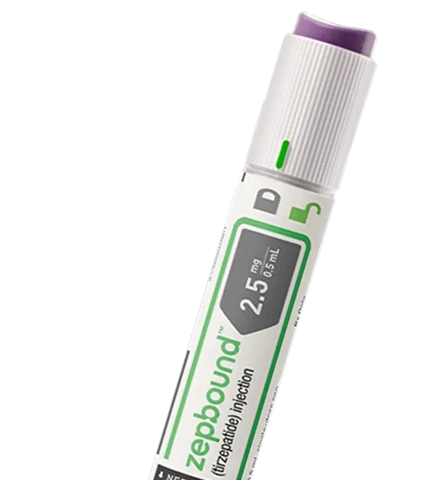
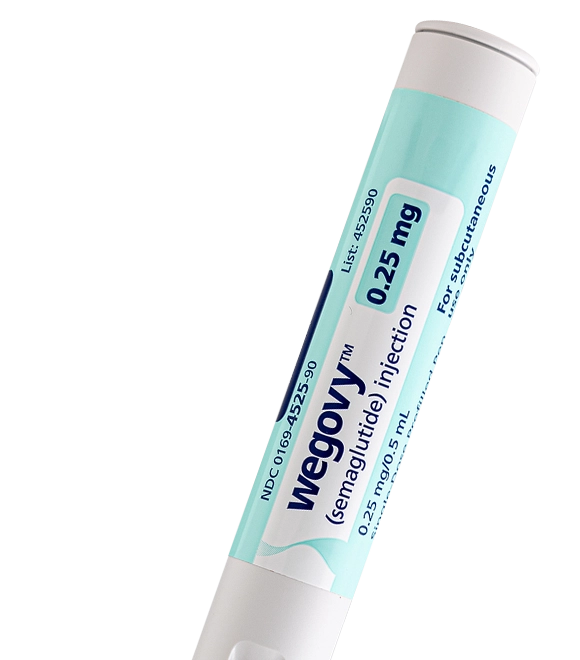
GLP-1 medications like Wegovy and Zepbound help you feel full on less food, quiet cravings, and improve how your body handles blood sugar. Research shows they reduce visceral fat along with overall weight. Dr. Lucas says they've "completely changed the weight loss landscape" by making it possible to lose weight without white-knuckling through hunger and fatigue. Since you'll eat less overall, protein and strength training become even more important to protect muscle.

Foundayo® (orforglipron)

Wegovy® Pill (semaglutide)
Zepbound® (tirzepatide)
Wegovy® (semaglutide)

Saxenda® (liraglutide)
Ozempic® (semaglutide)
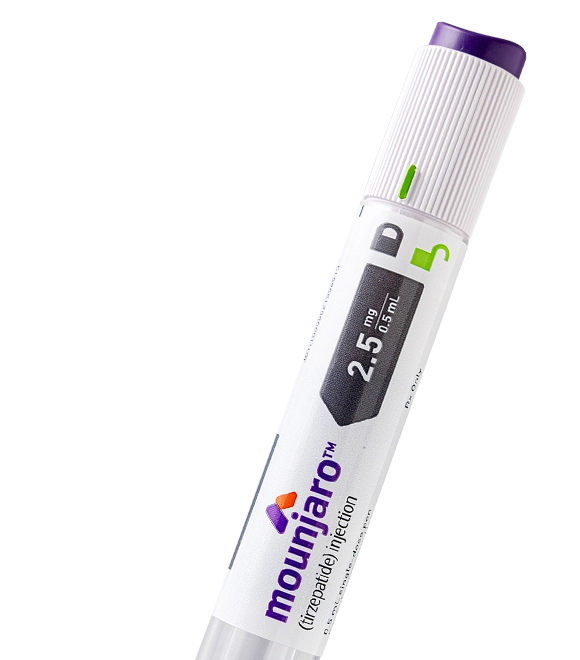
Mounjaro® (tirzepatide)
Hormone replacement therapy
Hormone replacement therapy (HRT) replaces the estrogen and progesterone your body makes less of in midlife. Research suggests estrogen therapy may help limit the shift of fat toward the abdomen, and HRT also eases symptoms like hot flashes, poor sleep, and mood changes. Better sleep and steadier energy make it easier to stay active and consistent with healthy habits.
Can You Use HRT and a GLP-1 Together to Reduce Visceral Fat?
Yes, HRT and GLP-1 medications can be used together, and since they target different causes of visceral fat, many women in midlife benefit from both.
GLP-1 medications are hormones too, which is why Dr. Lucas prefers the term hormone optimization. It looks at all of your hormones together, including sex hormones, GLP-1, and thyroid. When he meets with a patient, he focuses on her symptoms, where she is in the midlife transition, and her goals. The answer, he says, is "usually some combination of all of them."
GLP-1 medication | Hormone replacement therapy | |
Main role | Reduces appetite and cravings, supports weight loss | Replaces declining estrogen and progesterone |
Effect on visceral fat | Helps reduce visceral fat along with overall weight gain | May limit shift of fat toward the abdomen |
Also helps with | Blood sugar, portion control | Hot flashes, sleep, mood, bone health |
Using both may also make GLP-1 treatment easier. Side effects tend to show up when a dose is too high for a particular person, which is why treatment starts low and increases gradually. Dr. Lucas notes that when hormones are optimized, many women may not need as high a GLP-1 dose to reach their goals, and emerging research supports this.
Age alone doesn't rule anyone out of GLP-1 treatment. Dr. Lucas meets women in their seventies and eighties whose biological age is much younger than their birth certificate suggests. What changes with age is how carefully treatment is managed. Older women may already struggle to eat enough, so a medication that reduces appetite calls for close attention to protein and nutrition. The goal is to lose visceral fat while protecting muscle.
How Do You Find a Provider Who Understands Visceral Fat and Menopause?
Look for a provider with specific training in menopause and hormone health who will look at your full picture, including sex hormones, thyroid, and metabolic health, before recommending a treatment.
Dr. Lucas points out that there's no medical subspecialty devoted to hormone optimization. OB/GYNs often carry the hormone conversation on top of everything else they manage, and endocrinologists aren't always trained in menopause care. Signs of a good fit include additional training through organizations like The Menopause Society, comfort discussing both HRT and GLP-1 medications, and a willingness to try different approaches. Symptoms like weight gain, fatigue, and poor sleep can stem from several overlapping causes, so finding the right plan sometimes takes more than one tool.
How Can LifeMD Help With Midlife Weight Gain?
LifeMD connects you with licensed providers who look at the full picture of midlife health, from hormones to metabolism, and can help you build a plan that fits your symptoms and goals. Everything starts with an online consultation from home, and prescriptions are sent directly to your pharmacy.
The LifeMD Weight Management Program offers access to FDA-approved GLP-1 medications, dose adjustments, and side effect support from providers who keep protein, muscle, and long-term health in mind.
The LifeMD Women's Health Program offers personalized hormone therapy, including estrogen and progesterone, with providers who specialize in perimenopause and menopause care.
The information provided is not a substitute for professional medical advice and is for informational purposes only. Availability of specific treatments and offerings varies by state. Medications prescribed if clinically appropriate based on completion of required consultation.