
What’s the Difference Between Zepbound® and Wegovy®?
As weight loss drugs like semaglutide and tirzepatide gain popularity, it's essential to recognize that there are significant differences between these medications that may help you determine which one is most suitable for your needs.
While both drugs offer potential benefits in managing weight, there are some key differences between them.
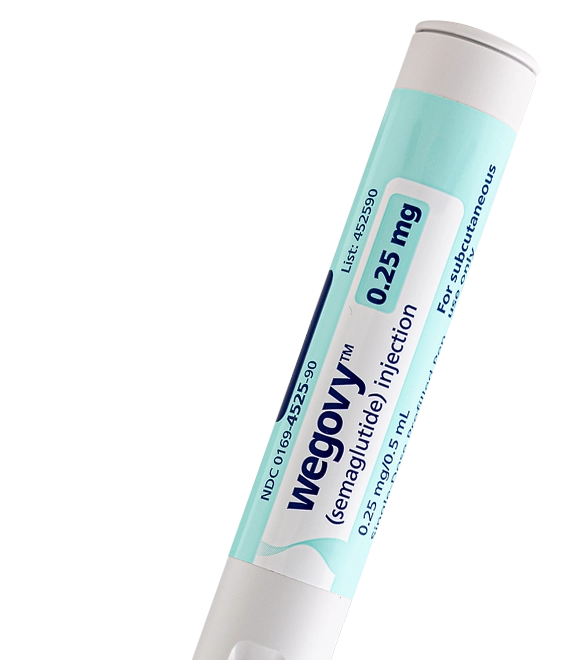
Wegovy® is a groundbreaking weight loss medication that has garnered significant attention in recent years. It's available as an injectable and oral form of semaglutide. This is a hormone that regulates blood sugar levels and appetite. Approved by the FDA in 2021, Wegovy has shown promising results in helping individuals achieve substantial weight loss.
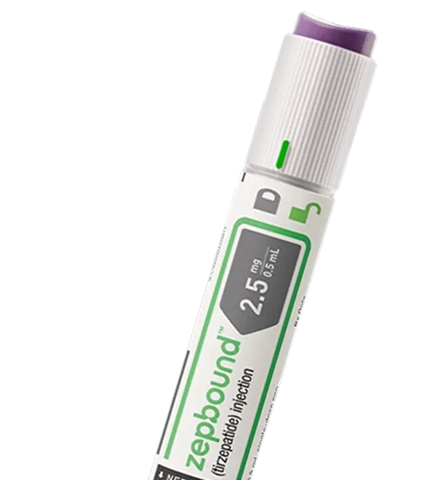
Similarly, Zepbound® is also an injectable medication that was FDA-approved in 2023 for chronic weight management. Its main ingredient is tirzepatide.
While Wegovy® and Zepbound® are both prescribed to overweight or obese individuals with one or more weight-related comorbidity, the medications are not exactly the same.
Semaglutide is a GLP-1 agonist weight loss medication. Tirzepatide is a dual GIP and GLP-1 agonist that offers additional benefits beyond glycemic control – potentially making it a more comprehensive option for weight management.

Foundayo® (orforglipron)

Wegovy® Pill (semaglutide)
Zepbound® (tirzepatide)
Wegovy® (semaglutide)

Saxenda® (liraglutide)
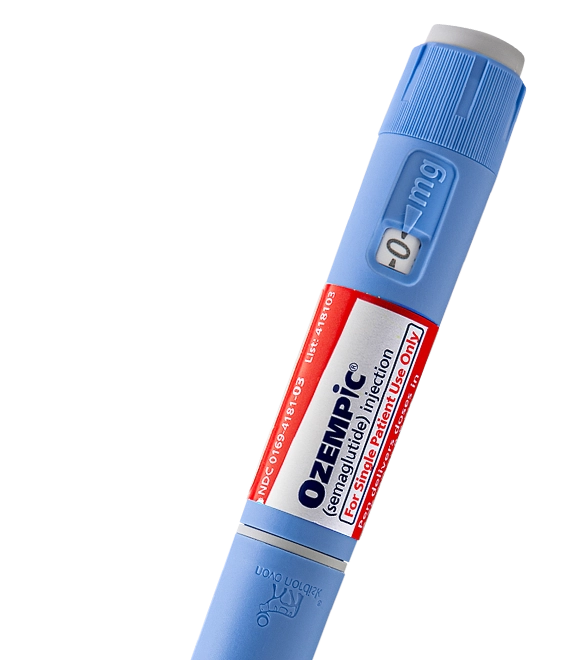
Ozempic® (semaglutide)
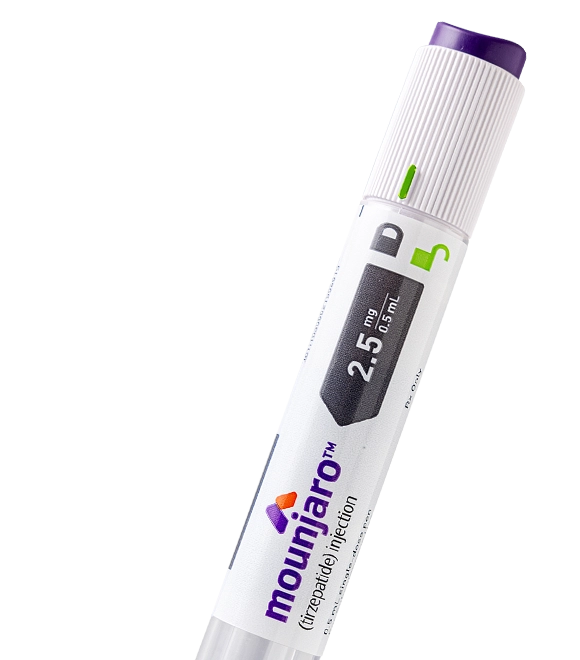
Mounjaro® (tirzepatide)
Duration of Action and Dosage
Semaglutide has a long half-life, which allows for once-weekly dosing. Wegovy® is available in five dose strengths — 0.25 mg, 0.5 mg, 1 mg, 1.7 mg, and 2.4 mg — with a standard titration that reaches the full maintenance dose of 2.4 mg over 16 weeks. For patients who tolerate the 2.4 mg dose for at least four weeks and for whom additional weight reduction is clinically indicated, Wegovy HD® offers a higher maintenance dose of 7.2 mg once weekly, starting at week 21. Both formats are administered subcutaneously once weekly.
An oral version of Wegovy® — taken once daily — was also approved in December 2025 for patients who prefer to avoid injections, though it requires specific morning fasting conditions.
Tirzepatide is a once-weekly injectable administered subcutaneously.
Zepbound® starts at 2.5 mg once weekly, increasing in 2.5 mg increments every four weeks as tolerated. The standard maintenance dose ranges from 5 mg to 15 mg once weekly, reached over approximately 20 weeks. The gradual titration schedule is designed to minimize gastrointestinal side effects during dose escalation.
Safety and Side Effects
Tirzepatide and semaglutide share similar side effects, possibly due to their comparable mechanisms of action.
Common moderate side effects of both medications may include:
Constipation or diarrhea
Upset stomach, nausea
Vomiting
Headaches
Abdominal pain
Fatigue
Low blood sugar (hypoglycemia).
In more severe cases, both tirzepatide and semaglutide have been associated with potential side effects such as vision changes, pancreatitis, kidney failure, gallbladder issues, and allergic reactions.
Key Point: FDA Boxed Warning for Wegovy® and Zepbound®
It is important to note that both medications carry boxed warnings from the FDA regarding the risk of thyroid C-cell tumors.
A boxed warning signifies the most serious warning issued by the FDA.
Cost of Zepbound® vs. Cost of Wegovy®
The rise of antidiabetic medications FDA-approvals for chronic weight management has surged a demand among Americans. Health experts recognize that – combined with lifestyle changes such as exercise and a calorie-deficit diet – drugs like Wegovy® and Zepbound® are not only innovative, they are also effective.
This being said, Wegovy® carries a list price of approximately $1,349 per month. In November 2025, Novo Nordisk introduced a standard self-pay price of $349 per month for most doses, with a limited-time introductory price of $199 per month for new self-pay patients on the two lowest doses. Commercially insured patients using the NovoCare Savings Offer may pay as little as $25 per month.
Zepbound® is available at multiple price points depending on format. Single-dose vials through LillyDirect offer a more accessible self-pay option, while the autoinjector pen and KwikPen formats carry higher price points but may be covered differently depending on your insurance plan. Eli Lilly has also indicated that some patients using its refill program may qualify for reduced rates.
For both medications, what you actually pay depends less on list price and more on your insurance coverage, which savings programs you qualify for, and which format and pharmacy you use. Working with a provider who handles insurance verification and prior authorizations on your behalf can make a meaningful difference in your out-of-pocket cost.
Limitations of Use for Zepbound® and Wegovy®
Age
Zepbound® is currently approved for adults only — the FDA notes that its safety and effectiveness have not been established in adolescents or children. Wegovy®, by contrast, is approved for use in adolescents aged 12 and older with obesity.
Pregnancy
Both Zepbound® and Wegovy® may harm an unborn baby and should be discontinued if you are planning a pregnancy or become pregnant while on treatment. Inform your healthcare provider immediately if you become pregnant while using either medication.
Contraindications
Neither Zepbound® nor Wegovy® should be used by patients with a personal or family history of medullary thyroid carcinoma (MTC) or Multiple Endocrine Neoplasia syndrome type 2 (MEN2). Do not use Zepbound® if you have had a serious allergic reaction to tirzepatide, or Wegovy® if you have had a serious allergic reaction to semaglutide.
Drug interactions
Certain medications may interact with Zepbound® and Wegovy®. Using bexarotene alongside tirzepatide may increase the risk of pancreatitis. Gatifloxacin can affect blood glucose levels and should be used with caution in patients with diabetes. Both hypoglycemia and hyperglycemia have been reported with concomitant use of certain medications. Discuss all current medications with your provider before starting either treatment.
Coadministration
Zepbound® should not be used alongside other tirzepatide-containing products or any GLP-1 receptor agonist. Similarly, Wegovy® should not be used with other semaglutide-containing products — including Ozempic® — or any other GLP-1 receptor agonist.
Consult with a Healthcare Professional
While both semaglutide and tirzepatide can be effective tools for weight management, it's important to take a comprehensive approach to achieve weight loss. That’s why LifeMD provides clinical oversight, metabolic testing, and ongoing support from licensed healthcare providers to help you lose weight and feel healthier overall with a GLP-1 medication.
To learn more about GLP-1 medications for chronic weight management, visit LifeMD and find out if you qualify for the Weight Management Program. Answer a few questions about your medical history, weight loss goals, and current weight to find out if you prequalify for a GLP-1 medication. Then, you’ll have a virtual appointment with a licensed medical professional to further discuss if a GLP-1 is right for you.
If you are prescribed weight management medication, regular follow-up appointments with a healthcare professional are essential to monitor your progress, assess its effectiveness. These check-ins allow for adjustments in treatment plans, if necessary, and provide an opportunity to discuss any challenges or successes during your weight loss journey.
If you experience side effects while using semaglutide or tirzepatide, a licensed medical professional can help you manage these changes to your body to ensure your safety. Sometimes, asking questions and getting reassurance from a healthcare professional is the peace of mind you need with new medications.