
Saxenda® vs. Zepbound®: Which Weight Loss Medication is Right for You?

Saxenda® and Zebound® are both injectable prescription medications approved for weight management. Saxenda® was among the first GLP-1 medications to demonstrate what this class of drugs could do for weight loss. Zebound® represents the next generation of that treatment, working through a more sophisticated mechanism and delivering significantly greater results in clinical trials.
If you're trying to understand how they compare — and which one might be the better fit for you — here's a straightforward breakdown of what sets them apart.

Foundayo® (orforglipron)

Wegovy® Pill (semaglutide)
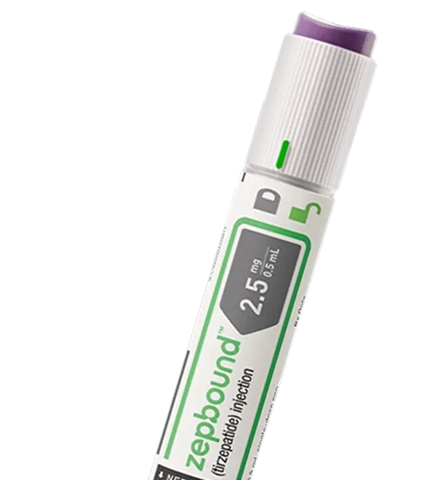
Zepbound® (tirzepatide)
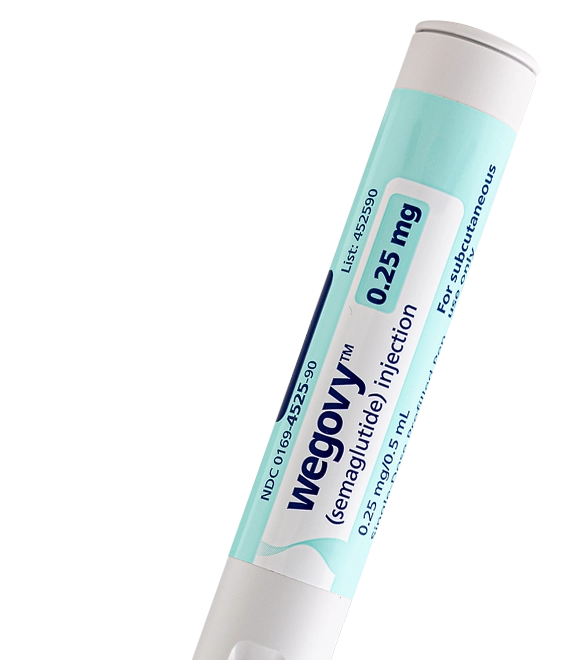
Wegovy® (semaglutide)

Saxenda® (liraglutide)
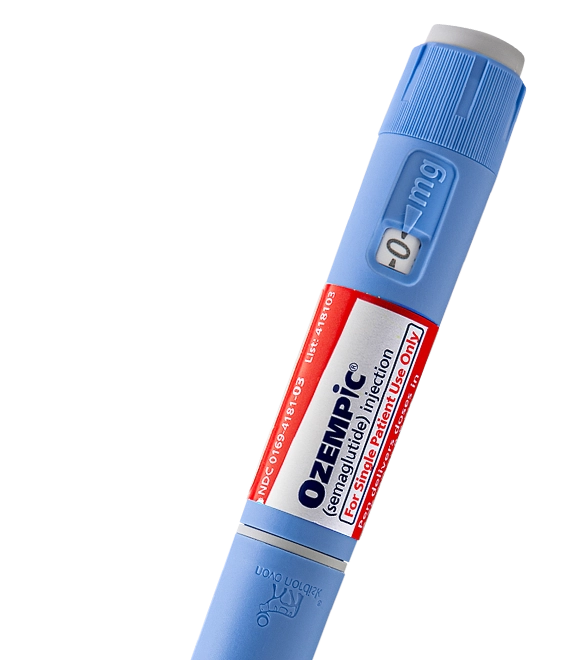
Ozempic® (semaglutide)
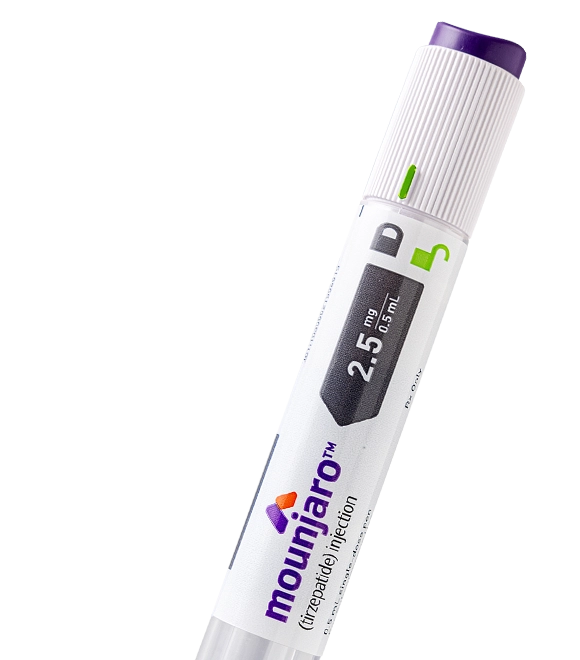
Mounjaro® (tirzepatide)
What are Saxenda® and Zepbound®?
Saxenda® and Zebound® are injectable prescription medications indicated for chronic weight management in adults with obesity or overweight with at least one weight-related health condition. Both are used alongside a reduced-calorie diet and increased physical activity.
Saxenda® is a GLP-1 receptor agonist. It works by mimicking a single gut hormone involved in appetite regulation and blood sugar control. Zebound® is a dual GIP/GLP-1 receptor agonist. It activates two hormonal pathways simultaneously. That difference is worth understanding before comparing anything else about these medications.
Understanding the Mechanism Difference
GLP-1 is a hormone your body naturally produces after eating. It signals fullness to the brain, slows gastric emptying, and helps regulate blood sugar. GLP-1 receptor agonists like Saxenda® mimic that hormone to reduce hunger and support weight loss — and for years, that single-pathway approach represented the standard of care for prescription weight management.
GIP is a separate gut hormone involved in fat metabolism and energy storage. On its own, GIP's role in weight management is complex, but when GIP and GLP-1 receptors are activated together, the combined effect on appetite, metabolism, and weight loss is significantly greater than either pathway alone. That's the mechanism behind tirzepatide, the active ingredient in Zepbound®. It's the primary reason Zepbound®'s efficacy profile is considerably stronger than Saxenda®'s.
How Saxenda® and Zebound® Differ
While Saxenda® and Zebound® share an indication and a general approach to weight management, the differences between them are significant.
Active ingredient
Saxenda® contains liraglutide while Zebound® contains tirzepatide. Liraglutide is a GLP-1 receptor agonist developed by Novo Nordisk. Tirzepatide is a dual GIP/GLP-1 receptor agonist developed by Eli Lilly.
Dosing frequency
Saxenda® is administered once daily. Zebound® is administered once weekly. For patients who find a daily injection routine difficult to maintain long term, the once-weekly schedule of Zebound® may be a more manageable commitment.
Format
Saxenda® is available as an injectable only, delivered via a prefilled multi-dose pen. Zebound® offers more flexibility in format. It's available as a single-dose pen, the KwikPen that contains an entire month’s dose in one pen, and single-dose vials, the last of which are available at a lower self-pay price point.
Efficacy
This is where the two medications diverge most significantly. Clinical trials found that adults taking Saxenda® at the full 3 mg dose lost an average of 8.4% of their body weight over 56 weeks. In clinical trials for Zepbound®, adults taking the highest dose lost an average of 22.5% of their body weight over 72 weeks. This is the highest average weight loss ever recorded in a phase 3 obesity trial. That's a substantial difference by any clinical measure.
These figures come from separate studies with different patient populations and designs, and individual results vary. But the gap in average weight loss between them is wide enough to be clinically meaningful for most patients.
Titration schedule
Saxenda® titrates to its full dose of 3 mg over approximately five weeks. Zepbound®'s titration is considerably more gradual, starting at 2.5 mg and increasing in 2.5 mg increments every four weeks, reaching a maximum dose of 15 mg over approximately 20 weeks. The slower titration with Zebound® is generally associated with better tolerability over time.
Approved indications
Both medications are approved for chronic weight management in adults. Zebound® holds an additional approval that Saxenda® does not. It's the first medication ever approved for obstructive sleep apnea in adults with obesity, making it a meaningful option for patients managing both conditions. Saxenda®, on the other hand, is approved for adolescents aged 12 and older — an indication Zebound® does not currently hold, making it one of the few prescription weight loss options available to younger patients.
Cost
Neither medication is inexpensive at list price, and insurance coverage for weight management GLP-1s remains inconsistent across plans. Zepbound®'s vial format through LillyDirect offers a more accessible self-pay option than its pen formats. As with any GLP-1 medication, working with a provider who handles insurance verification and prior authorizations on your behalf can make a difference in what you actually pay.
Ready to achieve your weight loss goals?
Shed pounds with GLP-1 medication prescribed online by licensed healthcare providers for as low as $75/month.

How Do Saxenda® and Zepbound® Side Effects Compare?
Saxenda® and Zebound® share a similar side effect profile. Gastrointestinal symptoms are the most commonly reported for both, and include:
Nausea
Vomiting
Diarrhea
Constipation
Stomach pain
These side effects are typically mild and occur during the early titration phase when your body is still adjusting to the medication. For most patients, these symptoms improve over time as the dose increases gradually.
Both medications carry a boxed warning for the potential risk of thyroid C-cell tumors and should not be used by anyone with a personal or family history of medullary thyroid carcinoma or multiple endocrine neoplasia syndrome type 2. Additional warnings – including pancreatitis, acute kidney injury, hypoglycemia, and gallbladder disease – apply to both.
Zepbound®'s more gradual titration schedule may make GI side effects easier to manage for some patients compared to Saxenda®. That said, individual tolerance varies, and side effect experience is highly personal.
How LifeMD Can Help
Choosing between Saxenda® and Zebound® depends on your health history, weight loss goals, lifestyle, and what your insurance will cover.
The LifeMD Weight Management Program connects you with licensed healthcare providers who can evaluate your full health picture, discuss the complete range of GLP-1 options available, and help you find an approach to weight management that actually fits your life. From insurance verification and prior authorizations to ongoing clinical oversight, LifeMD handles the process end to end.
Make an appointment with LifeMD to see if you qualify.