
Best OTC Appetite Suppressants: What Actually Works?

There’s no shortage of pills, powders, and supplements promising to curb your appetite and help you lose weight. The over-the-counter appetite suppressant market is massive — and growing. But with so many options competing for your attention, it can be hard to know what's worth trying, what's overhyped, and what might not be safe.
This guide breaks it down. We're taking a close look at the most widely used OTC appetite suppressants — what they are, how they work, what the research actually says, and what they'll cost you. We're also being honest about their limitations, because understanding those is just as important as knowing the benefits.
If you've been wondering how to suppress your appetite safely and effectively, you're in the right place.
Get prescription weight loss medication online.
Find out if you're eligible for GLP-1s, and get started on your weight loss journey for as low as $75/month.


How Do Appetite Suppressants Work?
Appetite isn't just about willpower — it's biology. Your body regulates hunger through a complex system of hormones and brain signals. Ghrelin, often called the "hunger hormone," rises before meals and tells your brain it's time to eat. Leptin signals fullness. GLP-1, a hormone released after eating, slows digestion and reduces appetite. When these systems are dysregulated — as they often are in people with obesity — hunger can feel constant and difficult to manage, regardless of how much you've eaten.
OTC appetite suppressants attempt to intervene in this system, typically through one of a few mechanisms. Fiber-based supplements add bulk to the digestive tract, promoting a sense of fullness. Stimulant-based supplements work on the nervous system to temporarily blunt hunger signals. Others aim to stabilize blood sugar to reduce cravings between meals.
It's worth understanding the distinction between suppressing appetite and producing meaningful, sustained weight loss — because they're not the same thing. Feeling slightly less hungry after taking a supplement doesn't necessarily translate into significant changes on the scale, especially over the long term. Keeping that in mind will help you evaluate any OTC appetite suppressant with realistic expectations.
The Most Common OTC Appetite Suppressants
Glucomannan
Glucomannan is a soluble dietary fiber derived from the root of the konjac plant. It absorbs liquid and expands in your stomach (when taken before eating), creating a sense of fullness that can help you eat less. Of all the OTC appetite suppressants on the market, glucomannan has one of the more credible evidence bases. Several studies have found it produces modest weight loss when used consistently alongside a reduced-calorie diet.
It's widely available at pharmacies and online retailers, generally well-tolerated, and affordable, typically running $15–$30 per month. Side effects are usually mild and GI-related — bloating, gas, and loose stools are the most commonly reported. The main caveat: it needs to be taken with plenty of water, and timing matters. Taking it too close to medications can interfere with absorption.
Green tea extract
Green tea extract is one of the most popular ingredients in weight loss supplements, and it shows up in a lot of OTC appetite suppressant products — sometimes on its own, sometimes as part of a proprietary blend. Its active compounds, particularly EGCG and caffeine, are thought to have mild thermogenic effects, meaning they may slightly increase calorie burn, while the caffeine component can temporarily blunt appetite.
The evidence for green tea extract as a standalone appetite suppressant is modest at best. It may offer a small boost, but it's unlikely to produce meaningful weight loss on its own. It's widely available and affordable at around $10-$25 per month, but it's not side-effect free — jitteriness, elevated heart rate, headaches, and trouble sleeping are common, particularly in people sensitive to caffeine. At high doses, there are also concerns about liver strain.
Garcinia cambogia
Garcinia cambogia became one of the best-selling OTC options on the market in the mid-2010s. The active ingredient, hydroxycitric acid (HCA), was claimed to suppress appetite and block the body's ability to store fat. The reality, as research has since shown, is considerably less impressive. Most well-designed clinical trials have found little to no meaningful difference in weight loss between garcinia cambogia and placebo.
It remains widely available and inexpensive at around $15-$30 per month, but the gap between its marketing and its evidence base is wide. More concerning, there have been reports of liver toxicity at higher doses — a serious enough risk that it's worth approaching with caution. This is one OTC option where the hype has largely outpaced the science.
Berberine
Berberine is a plant compound found in several herbs and has been used in traditional medicine for centuries. More recently it's gained significant traction in the wellness space — sometimes marketed as "nature's Ozempic," though research does not support that comparison. Berberine does have a growing body of research suggesting it can help regulate blood sugar and improve insulin sensitivity, which may indirectly reduce cravings and support weight management.
The evidence is more promising than many OTC options, though it's still far from conclusive for weight loss specifically. It typically runs $20-$40 per month and is increasingly available at pharmacies and online. GI side effects — nausea, diarrhea, constipation, and stomach cramping — are common, especially when starting out. It can also interact with certain medications, so it's worth checking with a provider before adding it to your routine.
Caffeine-based supplements
Caffeine is one of the most studied appetite-suppressing compounds, and its effects are real. It stimulates the central nervous system, temporarily reduces hunger, and provides a short-term boost to metabolism. The problem is that those effects are short-lived and tolerance builds quickly, meaning you need more over time to get the same result.
Caffeine-based supplements are the cheapest and most accessible option on this list, available virtually everywhere and often costing less than $15 per month. But they come with a notable side effect profile: anxiety, jitteriness, elevated heart rate, insomnia, and dependency are all common with regular use. They're also not a sustainable strategy — once tolerance sets in, the appetite-suppressing benefit largely disappears.
Psyllium husk
Psyllium husk is a soluble fiber that works similarly to glucomannan — it absorbs water, expands in the digestive tract, and promotes a feeling of fullness. It's one of the better-supported OTC options for appetite management, with a solid safety record and additional benefits for gut health and cholesterol levels. Unlike some of the more aggressively marketed supplements on this list, psyllium husk does what it claims to do, within reason.
It's extremely affordable at around $10-$20 per month, widely available, and well-tolerated by most people. The main side effects are GI-related — bloating and gas are common when starting out, particularly if fiber intake was previously low. As with glucomannan, adequate water intake is essential.
What OTC Appetite Suppressants Can't Do
OTC appetite suppressants vary widely in how well they actually work. Fiber-based options like psyllium husk and glucomannan tend to have the strongest evidence behind them — but even they have real limitations. It's important to understand what they're working with, and what they're not.
The fundamental limitation of OTC appetite suppressants is regulatory. Unlike prescription medications, dietary supplements are not required to prove they're effective before hitting the market. The FDA doesn’t evaluate supplements for efficacy the way it does drugs. This means a product can be widely sold and heavily marketed without any clinical evidence that it works. What you see on the label is not always what you get.
Even the better-supported OTC options tend to produce modest, short-term results. That's largely because they don't address the underlying biology of appetite and weight. Obesity is a complex, chronic condition driven by hormonal dysregulation, metabolic factors, and genetics — none of which a fiber supplement or herbal extract is equipped to meaningfully change. Feeling slightly fuller after taking a supplement is a different thing entirely from correcting the hormonal signals that drive persistent hunger.
There's also the issue of consistency. Many OTC supplements are most effective — to whatever degree they are effective — when taken regularly and alongside meaningful lifestyle changes. In practice, that's a combination that's difficult to sustain without clinical support.
None of this means OTC appetite suppressants are worthless. But if you've tried them and found that the results don't match the promises, that's not a personal failure — it's a reflection of what these products are realistically capable of.

Foundayo® (orforglipron)

Wegovy® Pill (semaglutide)
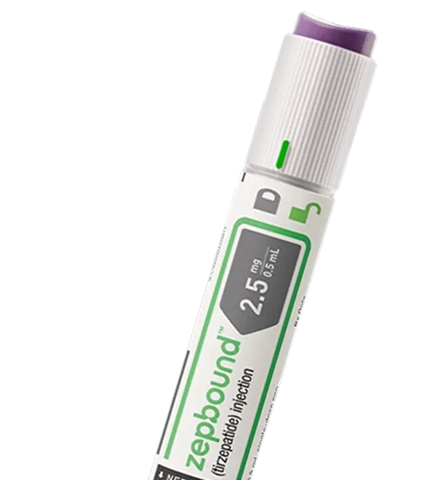
Zepbound® (tirzepatide)
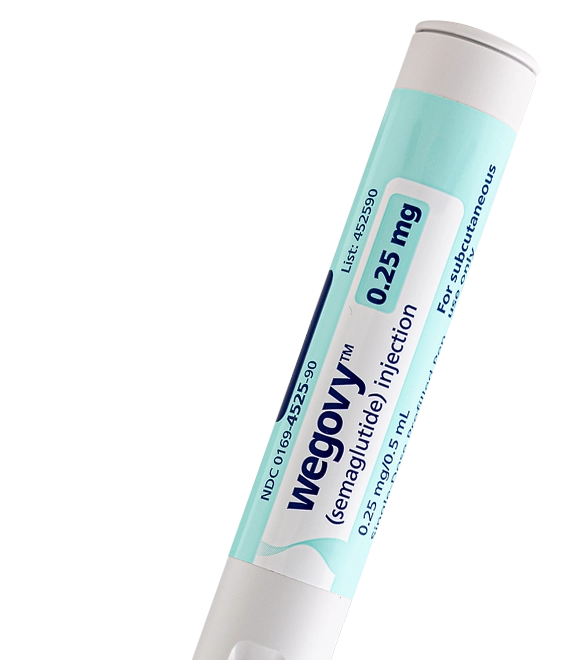
Wegovy® (semaglutide)

Saxenda® (liraglutide)
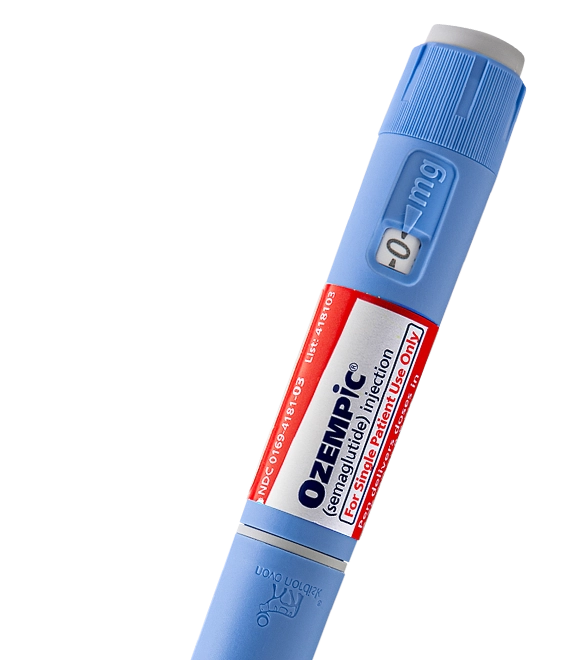
Ozempic® (semaglutide)
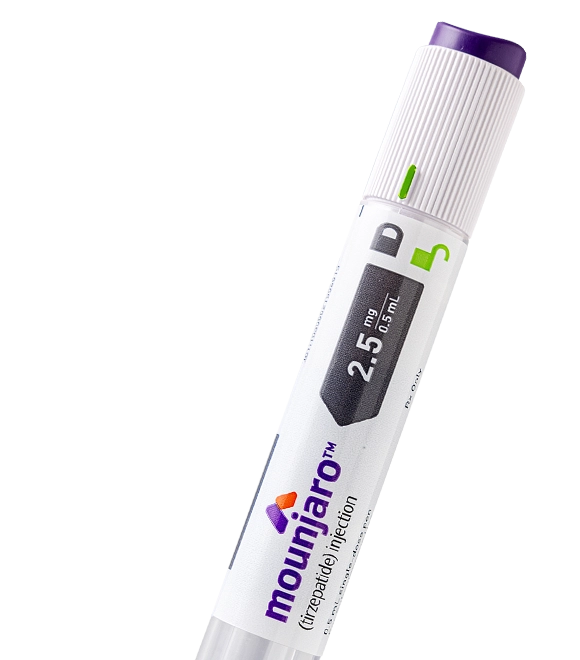
Mounjaro® (tirzepatide)
How LifeMD Can Help
If you've tried OTC appetite suppressants without meaningful results, there's a straightforward explanation: they don't address the root causes of persistent hunger and weight gain. Prescription medications do.
GLP-1 treatments like Wegovy (semaglutide) and Zepbound (tirzepatide) work directly on the hormonal pathways that regulate hunger and metabolism — producing significantly greater, more sustained weight loss than anything available over the counter. For people who haven't been able to make progress through diet, exercise, and supplements alone, they represent a meaningful step forward.
That's where LifeMD comes in. The LifeMD Weight Management Program connects you with licensed healthcare providers who can evaluate your full health picture, discuss your options, and — if appropriate — prescribe and manage a treatment plan that actually addresses the biology behind your weight. From insurance verification and prior authorizations to ongoing clinical oversight, LifeMD handles the process end to end so you can focus on results.
Make an appointment with LifeMD today to find out if prescription weight loss treatment is right for you.