
Telehealth vs. In-Person Care for Chronic Conditions

If you manage a chronic condition, you may have wondered whether a telehealth visit is "as good" as going in person. It's a fair question, and the research has a nuanced answer: for many ongoing health concerns, virtual care holds up well. But it isn't right for every situation, and understanding the difference can help you use both options well.
Can a Video Call Really Replace an Office Visit?
Multiple clinical trials have found that patients with chronic conditions like Type 2 diabetes and heart failure had the same health outcomes whether they saw their doctor in person or over video.
And it goes further than that. A large study looking at data from over 40 million Americans found that people with chronic conditions who used telehealth were actually less likely to end up in the emergency room or hospital than those who only saw providers in person. It sounds surprising at first, but it makes sense when you think about it: when care is easier to access, people use it more consistently — and that consistency is what keeps chronic conditions under control.
A 2024 study surveying over 1,000 chronic disease patients found the same thing. Outcomes were just as good as traditional in-person visits, and patients felt better about their access to care overall.
The Conditions Telehealth Handles Best
Not every condition translates seamlessly to a screen, but several common chronic conditions do.
Hypertension
Managing blood pressure comes down to three things: the right medication, consistent self-monitoring, and regular check-ins with your provider. Telehealth handles all three well. Research has shown that telemedicine – especially when paired with home blood pressure monitoring – leads to meaningful improvements in blood pressure control. Nurse-led virtual care programs, including video visits and remote monitoring, have also been shown to produce significant drops in systolic blood pressure.
Mental health
Virtual behavioral health has one of the strongest evidence bases in telehealth. When you remove the commute, make scheduling easier, and reduce the stigma that keeps a lot of people from seeking help in the first place, more people actually follow through with care. For a condition that's chronically undertreated, that access gap matters.
Type 2 diabetes
Remote glucose monitoring combined with video visits has shown outcomes comparable to in-person endocrinology appointments across multiple studies. What drives better blood sugar control isn't where you're seen, it's how consistently you're seen.
Allergies and asthma
Follow-up visits, inhaler technique, and conversations about managing triggers are a natural fit for virtual care, especially when symptoms are stable or being actively monitored.
Where In-Person Care Remains Essential
Research supports telehealth's reach, but it also identifies its limits. A 2024 review found that while virtual exams were considered equivalent to in-person examination in about 89% of cases, they fell short in roughly 11%. This happened mainly when hands-on assessment was necessary.
Some situations require a physical presence. Listening to your lungs or heart, palpating an abdomen, assessing a wound can't be replicated on a screen. New or unexplained symptoms are often better evaluated in person, particularly when something more serious needs to be ruled out. And any urgent or emergency situation warrants immediate in-person or emergency care.
Telehealth and in-person care serve different purposes, but both have a place.
The "Quarterback" Model of Longitudinal Care
Some providers use the term "quarterback" to describe a specific approach to virtual primary care. It just means having one consistent provider who knows your full health history, manages your medications and follow-ups, and refers you to in-person specialists when needed.
This matters because one of the most overlooked drivers of poor chronic disease outcomes is provider discontinuity. When you see a different clinician every visit, important context gets lost. Consistent care (virtual or otherwise) is associated with better long-term outcomes. That consistency is harder to come by than it should be: one in three Americans doesn't have a primary care doctor, and the average wait to see a family physician is over 20 days. For a lot of people, a virtual primary care provider fills a gap that would otherwise stay unfilled.
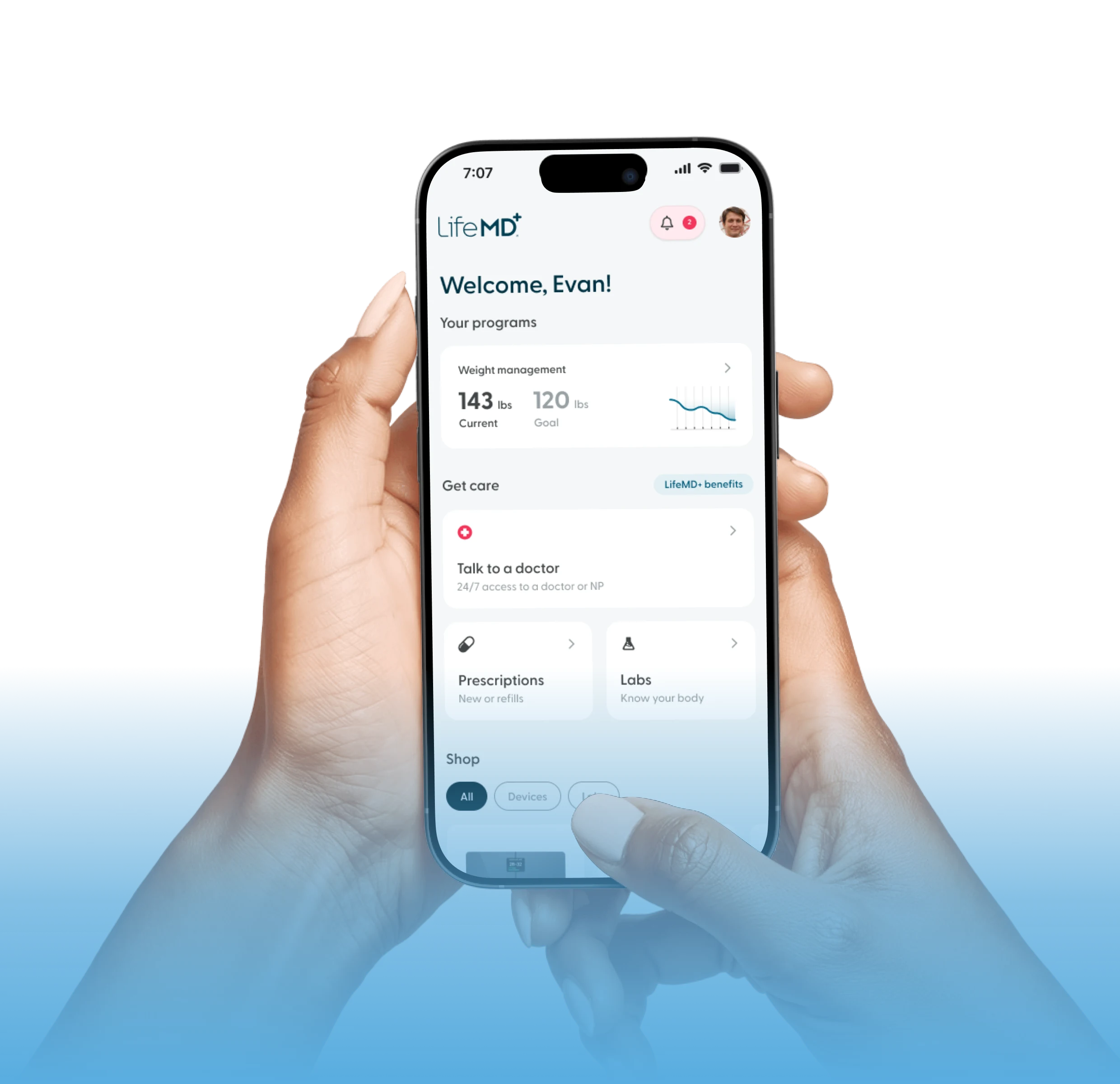
LifeMD's virtual primary care model is built around this kind of continuity. Patients managing chronic conditions like hypertension, diabetes, anxiety, allergies, thyroid disorders, and more can request to see the same affiliated provider throughout their care. And with a LifeMD+ membership, you get 24/7 access to care, same-day prescription refills, integrated lab testing, and exclusive wellness perks — everything you need to stay on top of your health without the wait.
Ready to get started? Join LifeMD today.