
Why Telehealth Makes it Easier for Men to Get Mental Health Support

There's a strange gap in how mental health shows up in men's lives. It's not that men struggle less. They deal with anxiety, depression, and emotional strain just like anyone else. The difference is what happens next. For a lot of men, that struggle never becomes a conversation with a provider. It gets carried alone instead.
Why Fewer Men Get Mental Health Treatment
Among U.S. adults with any mental illness, only 41.6% of men received mental health treatment in the past year, compared to 56.9% of women, according to 2022 survey data from the National Institute of Mental Health. The pattern in men's mental health is hard to miss. In the past year, men were less likely than women to have received treatment.
The most serious expression of that gap is in suicide data. In 2023, the suicide rate among men was nearly four times higher than among women, 22.8 per 100,000 compared to 5.9 per 100,000.
If anything in this article resonates with a struggle you're personally experiencing, the 988 Suicide and Crisis Lifeline is available 24/7 by call or text at 988, with no cost and no requirement to be in an active crisis to reach out.
Why Men Don't Seek Help
The reasons aren't a mystery, and they aren't really about men not caring about their own well-being. Stigma is the biggest factor. Traditional norms around masculinity, stereotypes of stoicism and self-reliance in particular, are well documented as a reason men are deterred from engaging with mental health services in the first place.
Confidentiality is another real concern, particularly for men worried about how a mental health diagnosis might affect their job, their standing at work, or how family members might see them. And for a lot of men, there's simply unfamiliarity with the process itself. Therapy and psychiatric care aren't things most men have direct experience with, and not knowing what an appointment involves is its own quiet barrier to booking one.
When the Symptoms Don't Look Like the Textbook
Part of why men's mental health struggles go unrecognized, by themselves and sometimes by providers, is that they don't always look like the version of depression or anxiety most people picture. Anger, irritability, and aggressiveness are among the common symptoms of mental health conditions in men, alongside high-risk activities, social withdrawal, and physical complaints like headaches or digestive issues that don't have a clear cause. A man who's more irritable than usual, or who's taken up drinking more than he used to, may not connect either of those changes to his mental health at all, and neither might the people around him.
That disconnect makes early recognition harder for men specifically. Not because the underlying conditions differ, but because the presentation doesn't match what most people, including the men experiencing it, are watching for.
What a Virtual Psychiatric Visit Actually Involves
Unfamiliarity is easier to overcome when the process is explained. A virtual psychiatric evaluation typically starts with an intake questionnaire covering health history and current symptoms, which a licensed provider reviews before the first real interaction. Depending on the condition, that first contact might be a video visit or, for some conditions, a message-based exchange instead. From there, the provider discusses a diagnosis, talks through treatment options, and prescribes medication if it's appropriate, with follow-up check-ins to track how it's working and adjust as needed.
None of that requires a waiting room, a referral, or a multi-week wait for a first appointment. For someone who's already hesitant to go in the first place, that's often the difference maker.
How Telehealth Removes the Biggest Barriers
Telehealth doesn't erase stigma on its own, but it does lower several of the practical barriers that compound it. A message-based option means a man can describe what he's dealing with in writing, on his own time, rather than saying it out loud in an office. There's no waiting room where a coworker or neighbor might see him. Same-day or next-day access means a bad week doesn't have to turn into a bad month before care is available.
For a lot of men, removing that friction is what actually gets them through the door, even when the stigma itself hasn't fully gone away.
How LifeMD Can Help
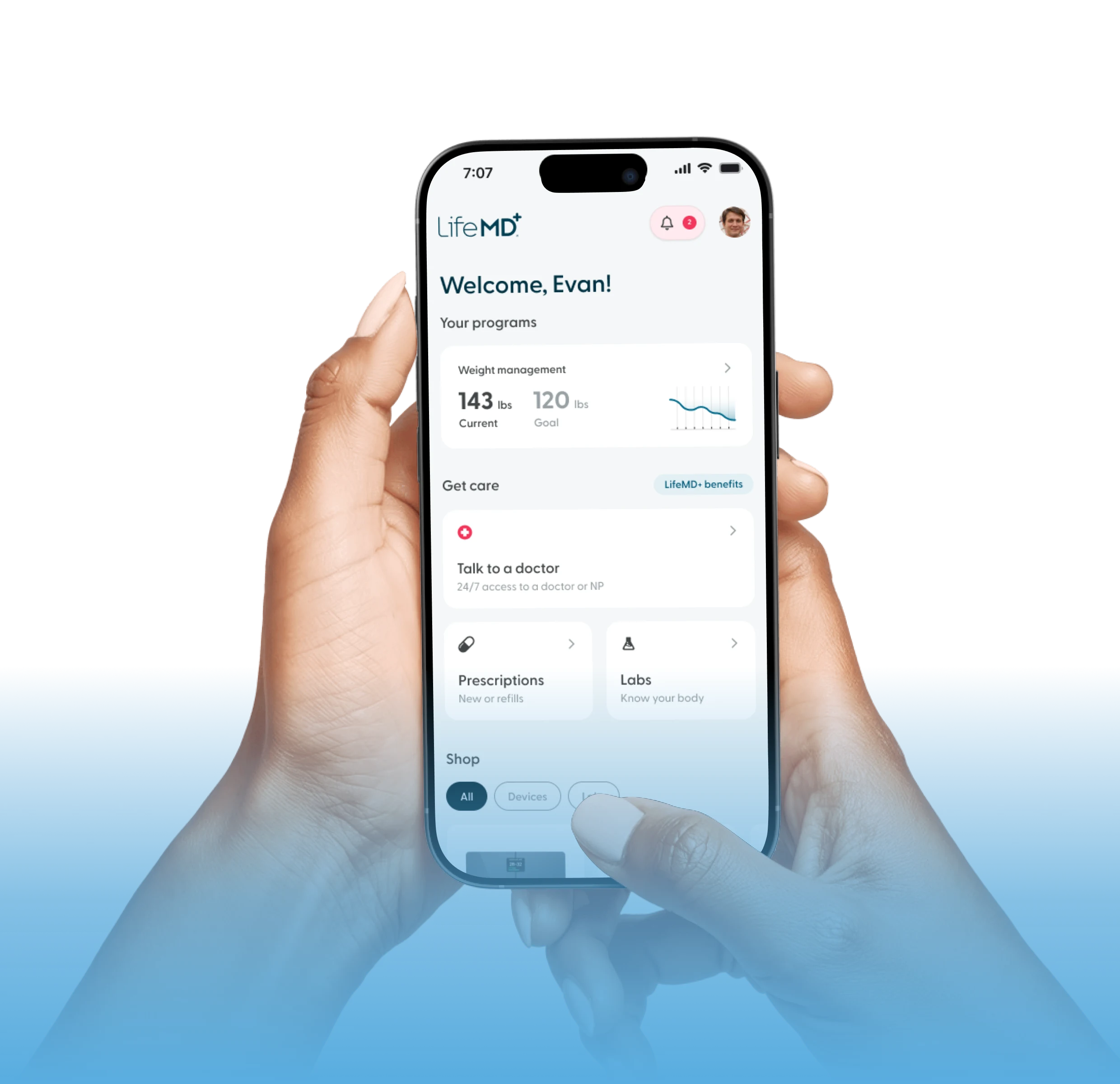
LifeMD's Mental Health Program is built around exactly that kind of low-friction access. It connects patients with licensed providers for virtual psychiatric evaluations and medication management for conditions like anxiety and depression, with the option of video or message-based visits depending on what's appropriate for the condition. Ongoing support happens through secure messaging, and treatment plans are reviewed regularly rather than left on autopilot.
LifeMD's Mental Health Program provides psychiatric evaluation and medication management, not talk therapy or counseling, and it isn't equipped to handle mental health emergencies. Anyone in crisis should call 911, go to the nearest emergency room, or contact the 988 Suicide and Crisis Lifeline by call or text.